Market research insights from our research desk.
Long-form analysis, sector briefings and methodology notes built on validated data, primary interviews and traceable sources — reviewed by a sector lead before it ships.
01 / Insights — page 14
158 insights
Why a Region of One Million People Registers a Third of Italy's Fleet Cars
A single 2011 fiscal decree let two autonomous provinces opt out of a national tax hike, and rental companies have been registering fleets there ever since. The loophole survived a 2011 government fix that closed it only for leasing, not rental.

Sao Paulo's Traffic Rule Is Running a Hidden EV Subsidy
A 2014 traffic law, extended to 2030 by unanimous city council vote, exempts electrified vehicles from Sao Paulo's peak-hour driving restriction — turning a congestion rule into one of Brazil's most effective, least-discussed EV incentives.
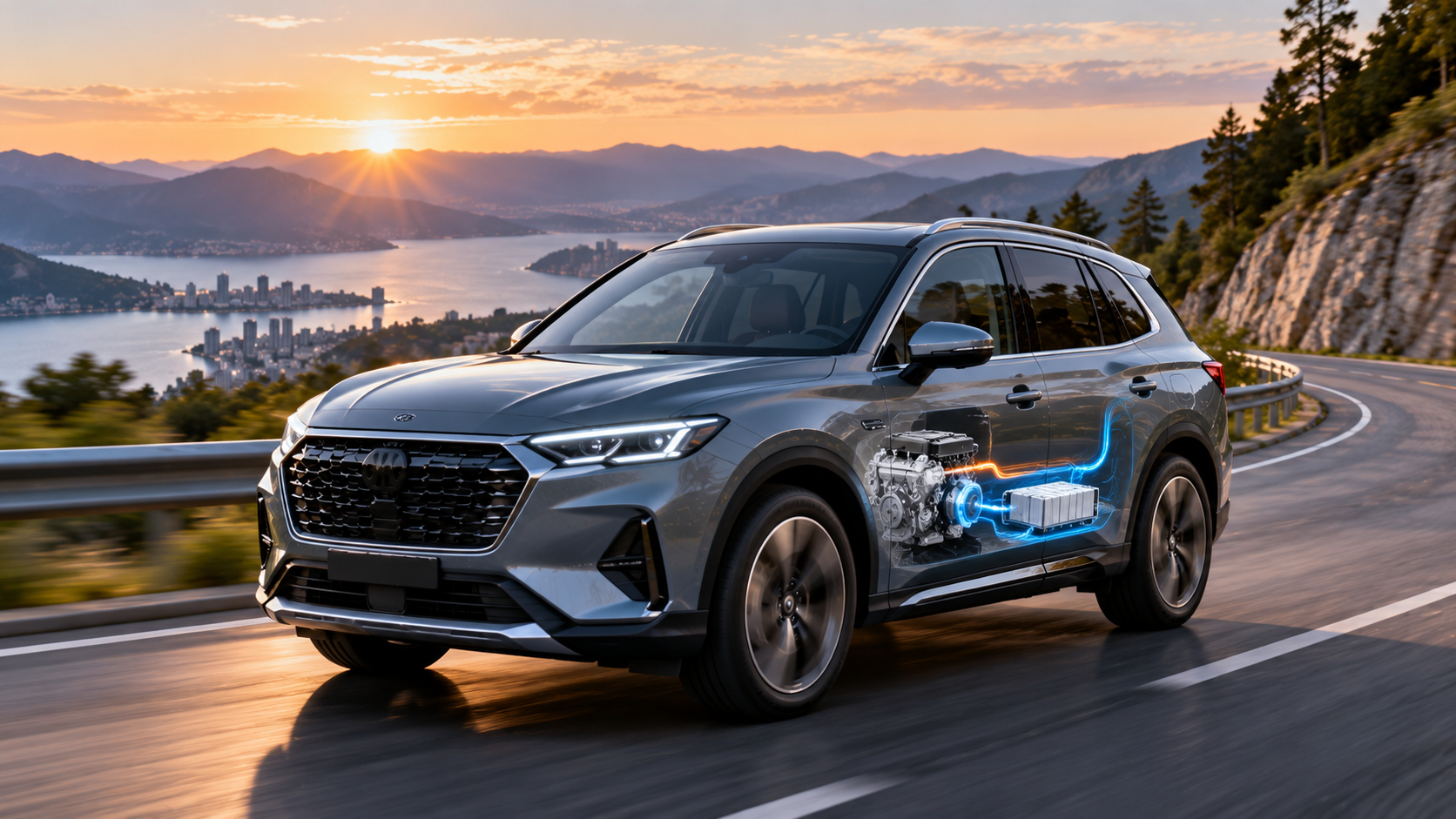
Brazil's 223,912 'Electrified Vehicle' Number Isn't What You Think It Is
The most-cited number in Brazilian EV coverage bundles battery-electric, plug-in hybrid and conventional hybrid vehicles into one figure — and a January 2025 methodology change already revised it once without much notice.
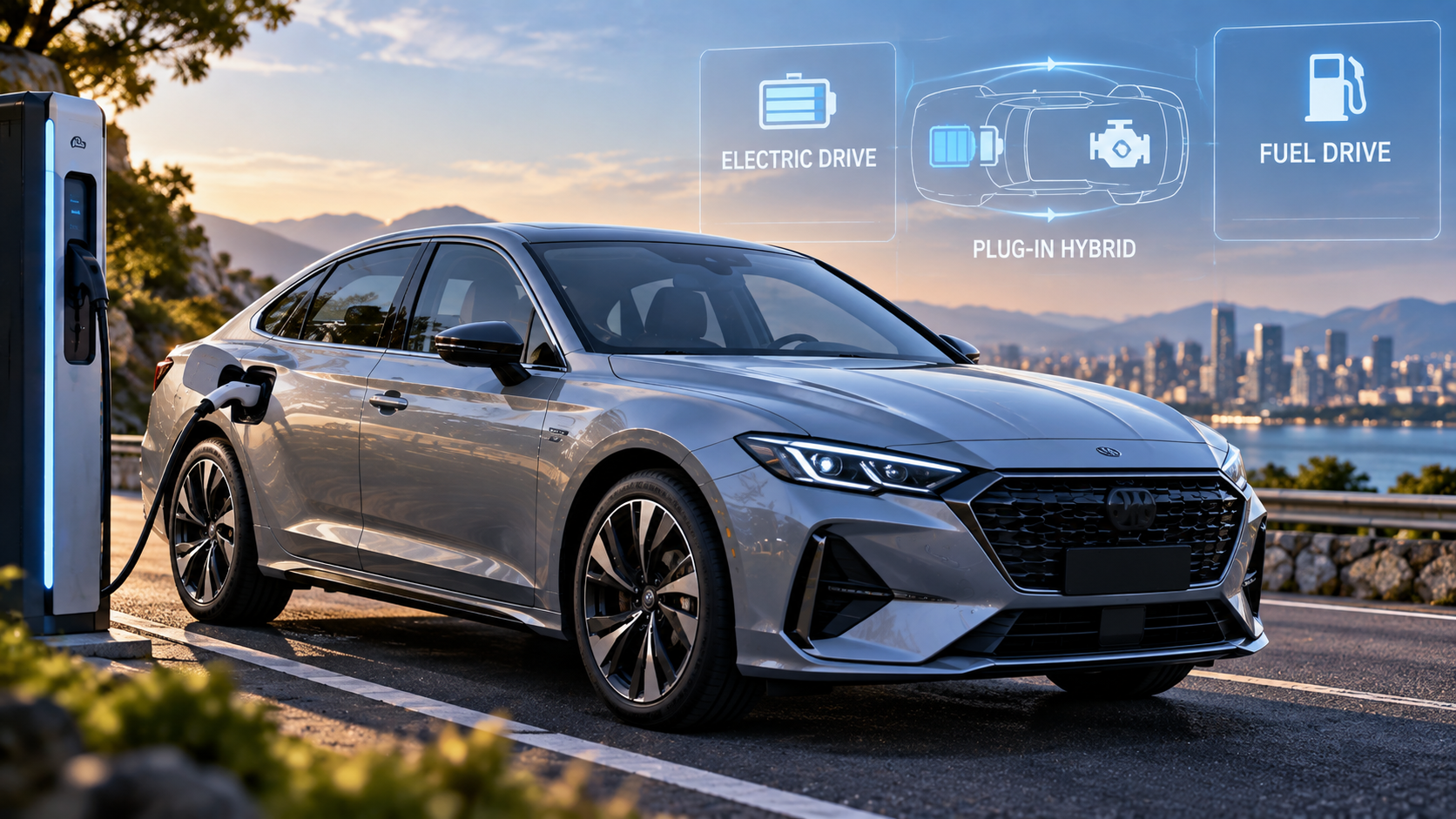
Why Brasília Has 7x Its Fair Share of Brazil's Electrified Cars
A single tax exemption law explains why Brazil's capital registers electrified vehicles at nearly seven times its population share — and why that gap could widen or close depending on a bill now before the local legislature.

Busan Leads Korea's PHEV Fleet Registrations. It's a Tax Loophole, Not Demand.
Busan and Incheon together account for 57.7% of South Korea's corporate PHEV registrations. The real driver is a municipal subway-bond purchase rate, not local fleet demand.

Why Doesn't Hyundai Sell Plug-in Hybrids in Its Own Country?
Hyundai and Kia build plug-in hybrids in South Korea for export markets but have not sold one to a domestic buyer since 2022. The reason is a single subsidy decision.

Stationary battery storage grew faster than EVs in 2025. Nobody built a BMS strategy around that yet.
Non-EV battery deployment, mostly stationary storage, grew faster than EVs in 2025 for the first time in the period this research covers. Most BMS suppliers haven't caught up.
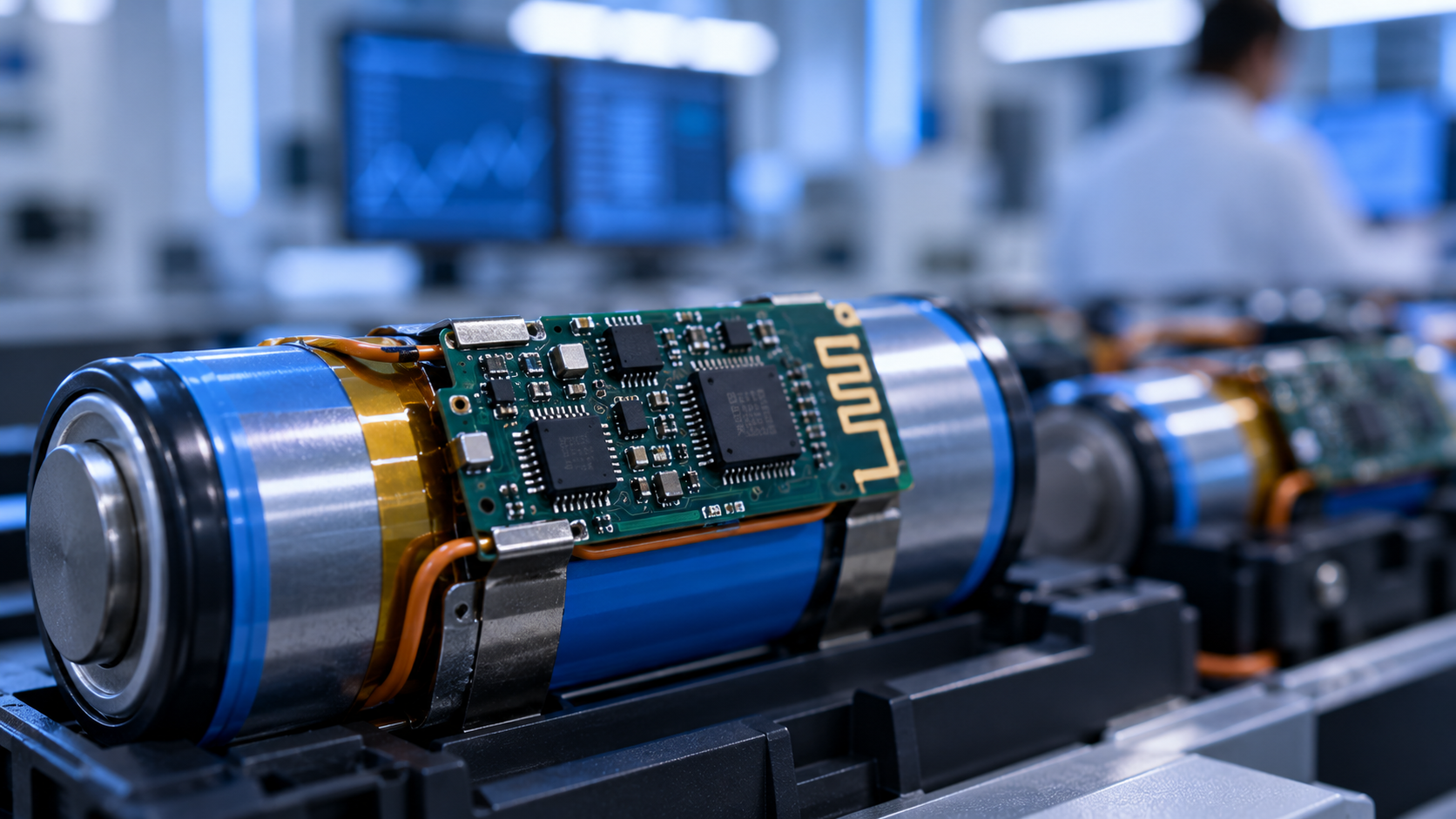
Every production wireless BMS deployment in the world uses the same chip vendor
General Motors, Lotus Cars and BMW Group all chose the same semiconductor partner for wireless BMS. That concentration is either a durable moat or a fragile single point of failure.

The same industry group wants 35,000 truck chargers and says 1,100 exist. Which number should you use?
One trade association, two truck-charging figures, and neither is wrong. Here is how ACEA's target and its own tracker measure genuinely different things, and which one to use for what.
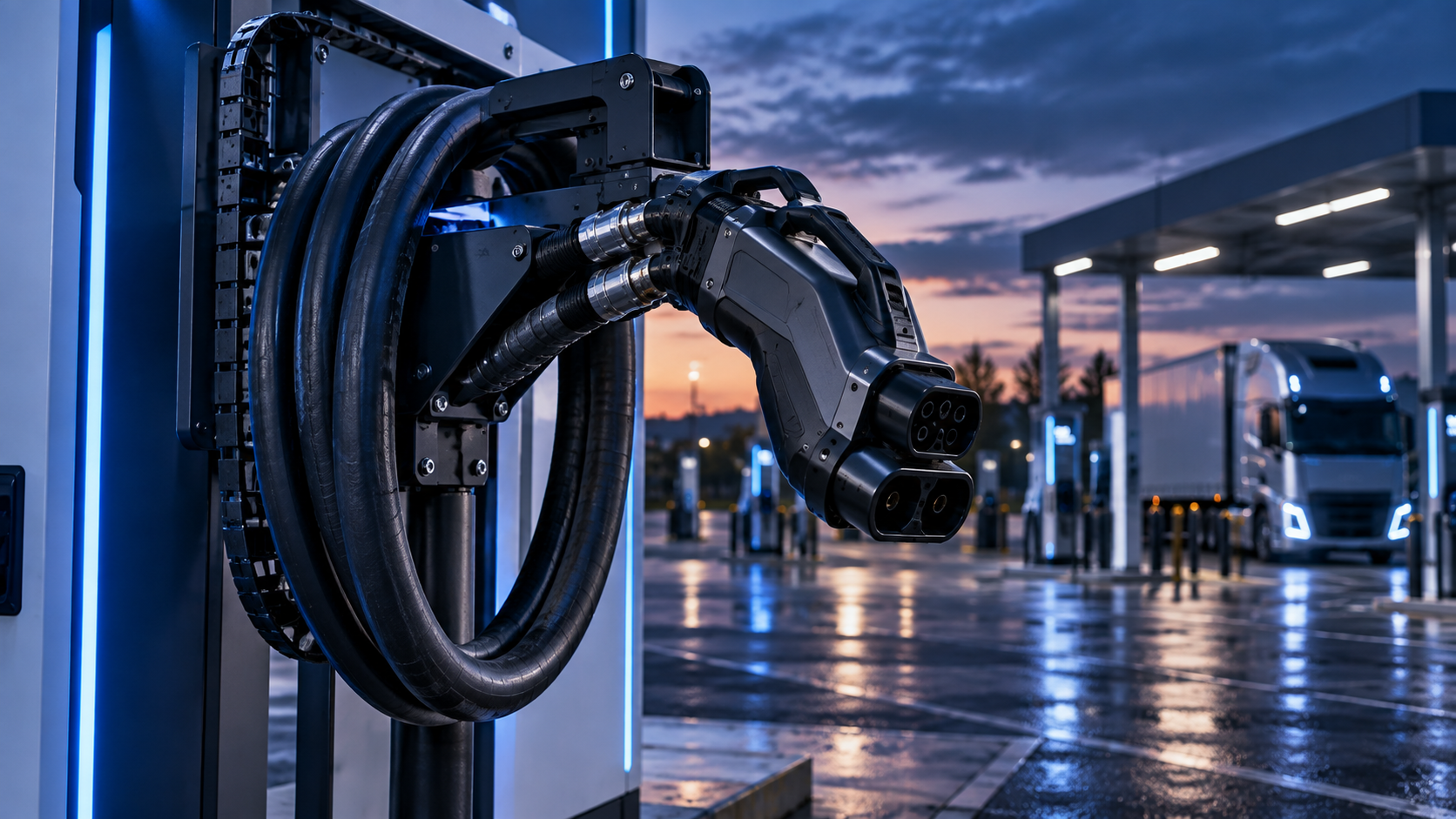
Europe's megawatt charging cables are rated for double the power anyone plugs into them
Cable and connector hardware for Europe's megawatt charging market is already built for power levels no deployed charger actually delivers. That gap tells you where the real bottleneck sits.
Eight verticals. Pick your starting point.
Each vertical maintains its own analyst lead, refresh cadence and methodology spine.