Market research insights from our research desk.
Long-form analysis, sector briefings and methodology notes built on validated data, primary interviews and traceable sources — reviewed by a sector lead before it ships.
01 / Insights — page 16
158 insights
Biofuels as a Geopolitical Shield: Mapping Forex Savings and Fuel Stability
As geopolitical friction in critical trade chokepoints exposes import-dependent nations to severe oil shocks, domestically produced biofuels are emerging as a vital macroeconomic shield.

India's Highway EV Charging Densification: Mapping Expressways, Grid Integration, and Corridor Economics
Driven by the Rs 2,000 crore PM E-DRIVE scheme and NHAI's wayside-amenity rollouts, India's highway EV charging network is expanding rapidly, yet grid constraints and land-suitability bottlenecks challenge long-distance mobility.

Unlocking the Grid: The Real-World Unit Economics of Battery Swapping
By decoupling battery cost from the upfront price of electric vehicles, the Battery-as-a-Service (BaaS) model is redefining EV affordability and operational efficiency globally.

The Indian Automotive Safety Revolution: From Premium Option to Baseline Standard
Driven by stringent MoRTH mandates and the launch of Bharat NCAP, vehicle safety in India has evolved from a premium marketing feature into a non-negotiable baseline standard.
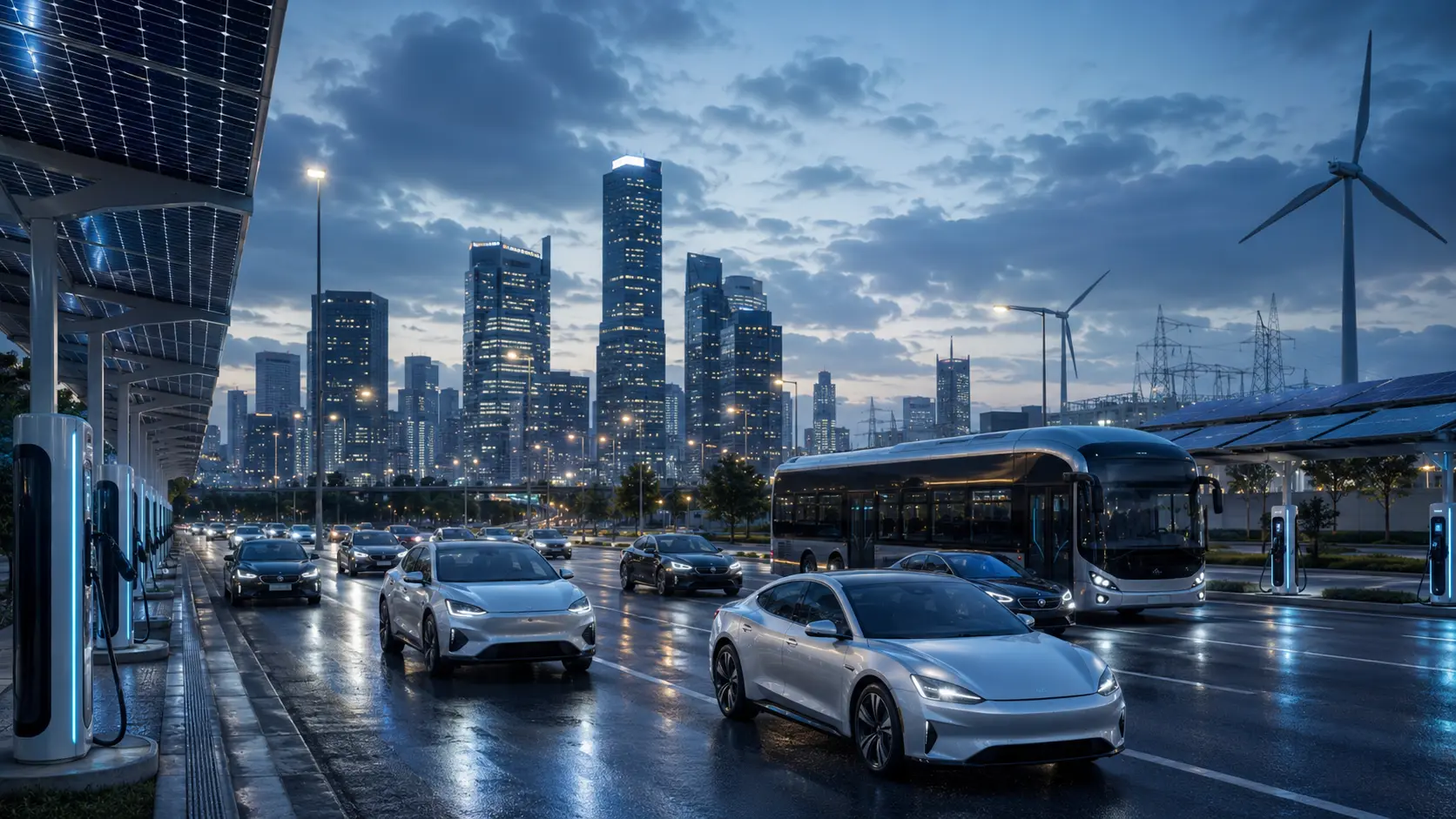
The Global EV Adoption Tipping Point: An Irreversible Shift in Automotive Markets
Global electric vehicle sales reached a historic tipping point in 2025, capturing 25% of the market and initiating an irreversible shift away from petrol-powered cars.

Robotaxis Steer Toward Scale: Can the Economics Keep Up?
Self-driving taxis are scaling fast across the US and China, led by Waymo, Baidu, Pony.ai, and WeRide. The decisive question is whether fleets can reach the low cost-per-mile needed for mass adoption.
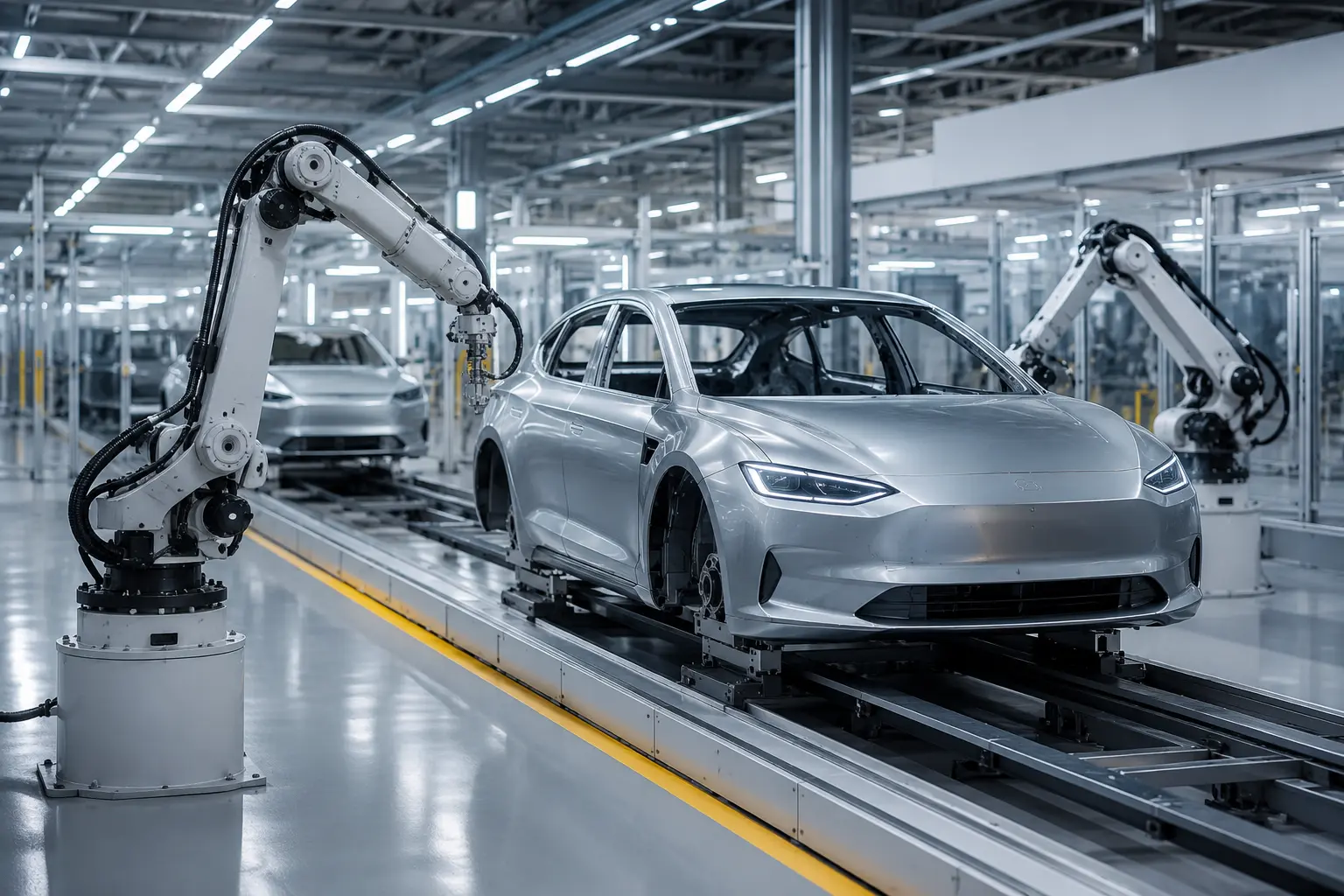
Europe's Auto Industry Reboots Manufacturing to Counter Chinese EV Challenge
Europe's car industry, 7% of EU GDP, is racing to on-shore EV and battery production against a surge of low-cost Chinese electric cars. Governments are courting both domestic OEMs and Chinese entrants.
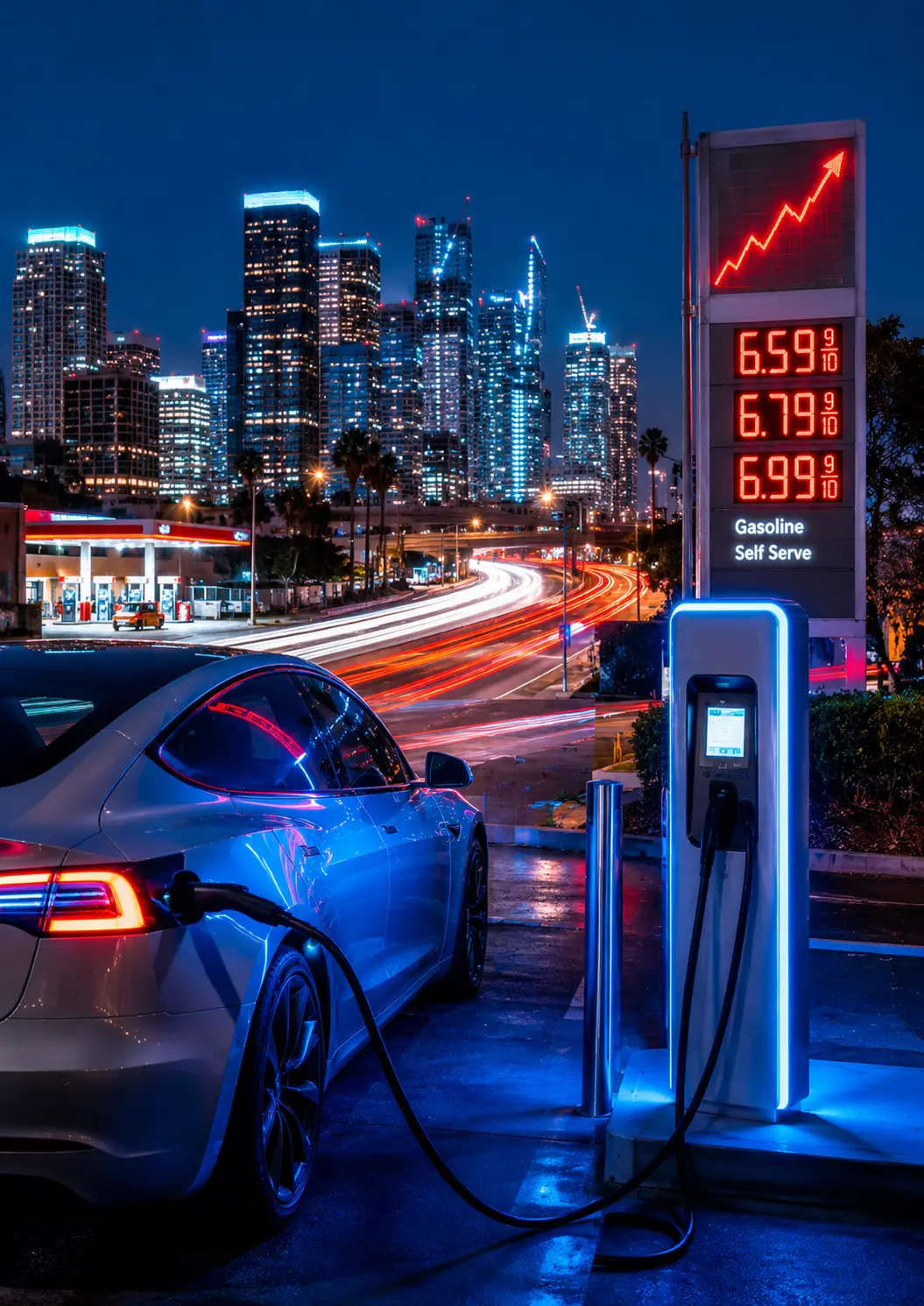
As Oil Prices Spike, Electric Vehicles Look More Affordable
Surging oil prices have lifted fuel costs to multi-year highs, improving EV competitiveness. Falling battery prices and supportive policy now make EVs cheaper to own than petrol and diesel cars across the EU, US, and China.
Eight verticals. Pick your starting point.
Each vertical maintains its own analyst lead, refresh cadence and methodology spine.