Market research insights from our research desk.
Long-form analysis, sector briefings and methodology notes built on validated data, primary interviews and traceable sources — reviewed by a sector lead before it ships.
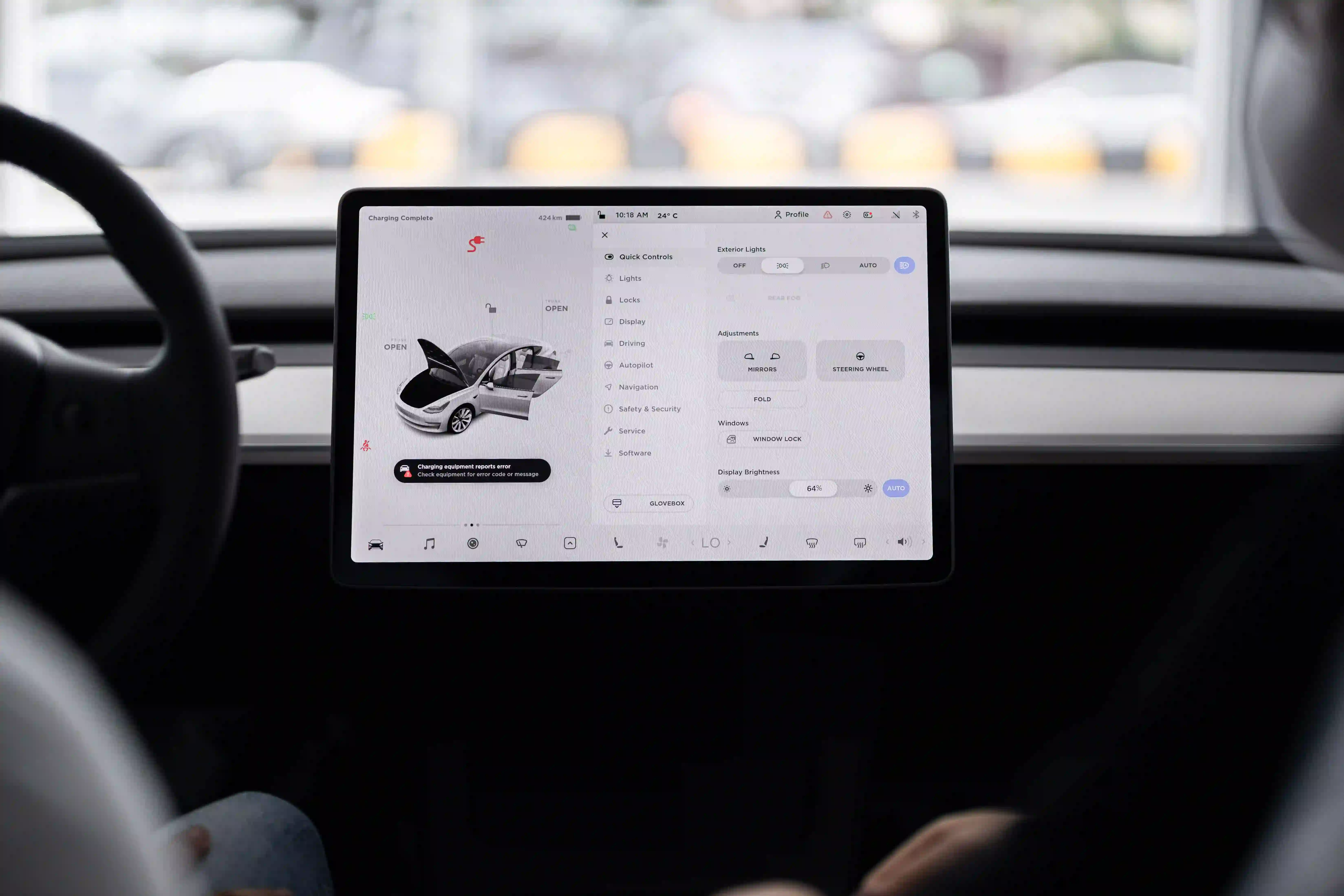
A Digital Twin Caught the Problem Weeks Before the Check Engine Light Would Have
In roughly 1 out of 3 major truck failures, a digital twin caught the problem weeks before any warning light would have. That head start is worth real money.
01 / Latest from the desk
158 insights
The Heavy-Duty EV Battery Rule Everyone's Planning Around Hasn't Actually Passed Yet
A regulation that's often described as already in force for heavy-duty EV batteries actually isn't. Here's its real status, and why the difference matters.

770 Million Cars Are 'Connected.' Only 96 Million Actually Know They're Sick.
Most reports count every connected car as a digital twin customer. Fewer than 1 in 8 of them actually are. Here's exactly why that gap exists.
The World's Connected Cars Are Splitting Into Two Different Markets by Region
The world's connected car market isn't one market. It's two, split by region. Marqstats explains where the real growth is actually coming from.

Why Only 36% of Stellantis's Connected Cars Actually Pay, While Ford's Vans Print Money
Two automakers, two connected-car bets, wildly different results. Marqstats explains why commercial fleets pay and consumers don't.

5G Is About to Take Over Every New Connected Car. Here's the Timeline.
5G is about to become the default for connected cars worldwide. Marqstats explains the timeline and the latency problem driving it.
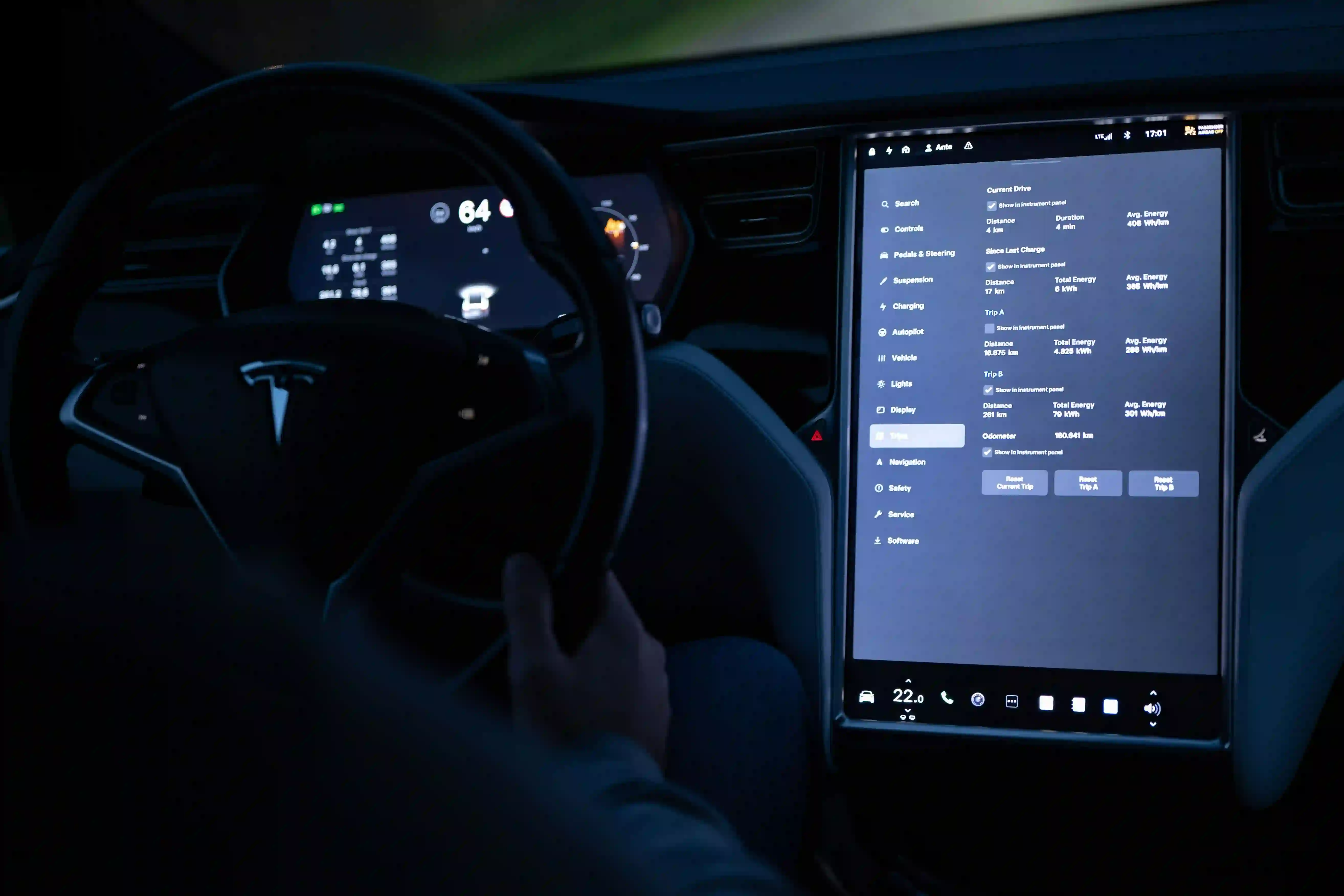
Why Texas, Not Washington, Actually Killed GM's Data-Selling Business
Federal policy gets the headlines. State regulators got the result. Marqstats explains how Texas and California actually stopped GM's data sales.
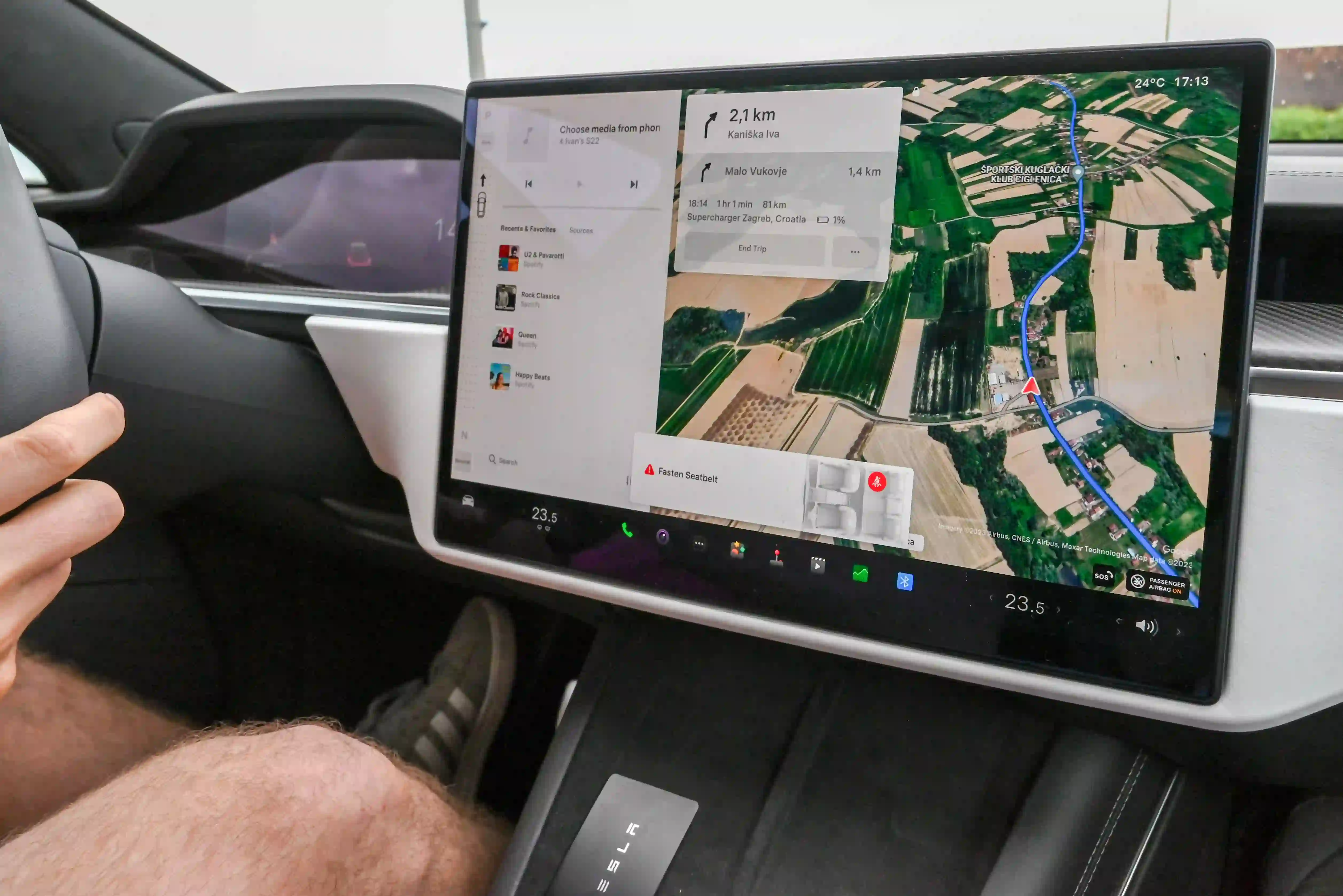
Why Hundreds of Thousands of US Fleet Vehicles Are Titled Somewhere They Never Drive
US fleet registration data doesn't show where vehicles actually drive. Marqstats explains the tax-driven titling pattern behind the gap.

Ford Makes More Money From Vans Than GM Does From Individual Drivers
Ford bet on commercial fleets. GM bet on consumers. Marqstats explains why one bet is clearly winning.

Why China's Own Regulator Just Cut Its Safety-Tech Target by 42.5 Points
China's own regulator set a 50% safety-tech target and got 3.5%. Marqstats explains the coordination problem behind the miss.
Eight verticals. Pick your starting point.
Each vertical maintains its own analyst lead, refresh cadence and methodology spine.