Market research insights from our research desk.
Long-form analysis, sector briefings and methodology notes built on validated data, primary interviews and traceable sources — reviewed by a sector lead before it ships.
01 / Insights — page 3
58 insights
Who owns the connected car customer in South Korea?
Mobile virtual network operators, chiefly automakers, sell 76.59% of South Korea's vehicle IoT lines. Carriers lost the customer, not the traffic, and the automaker now chooses the network.

A Court Struck Down the Federal Pricing Rule. California Just Rebuilt It Anyway.
A federal court killed the pricing rule on a technicality, not on the merits. Eight months later, California passed almost the same law anyway.

A Classified Portal's Entire Business Model Just Became a Quantifiable Risk
One company built its entire business on organic search. A new measurement shows exactly how exposed that bet has become, down to the decimal point.

AI Answers Trust Everyone Except the Car Company Itself, by 4.5 to 1
Most manufacturer marketing money goes to the brand's own website. AI answer engines cite that same website in less than a fifth of their responses.
Ranking #1 on Google No Longer Means Showing Up When Someone Asks a Chatbot
A dealer can own the top Google result and still never get mentioned when a shopper asks an AI assistant for advice. Here's the data behind that gap.
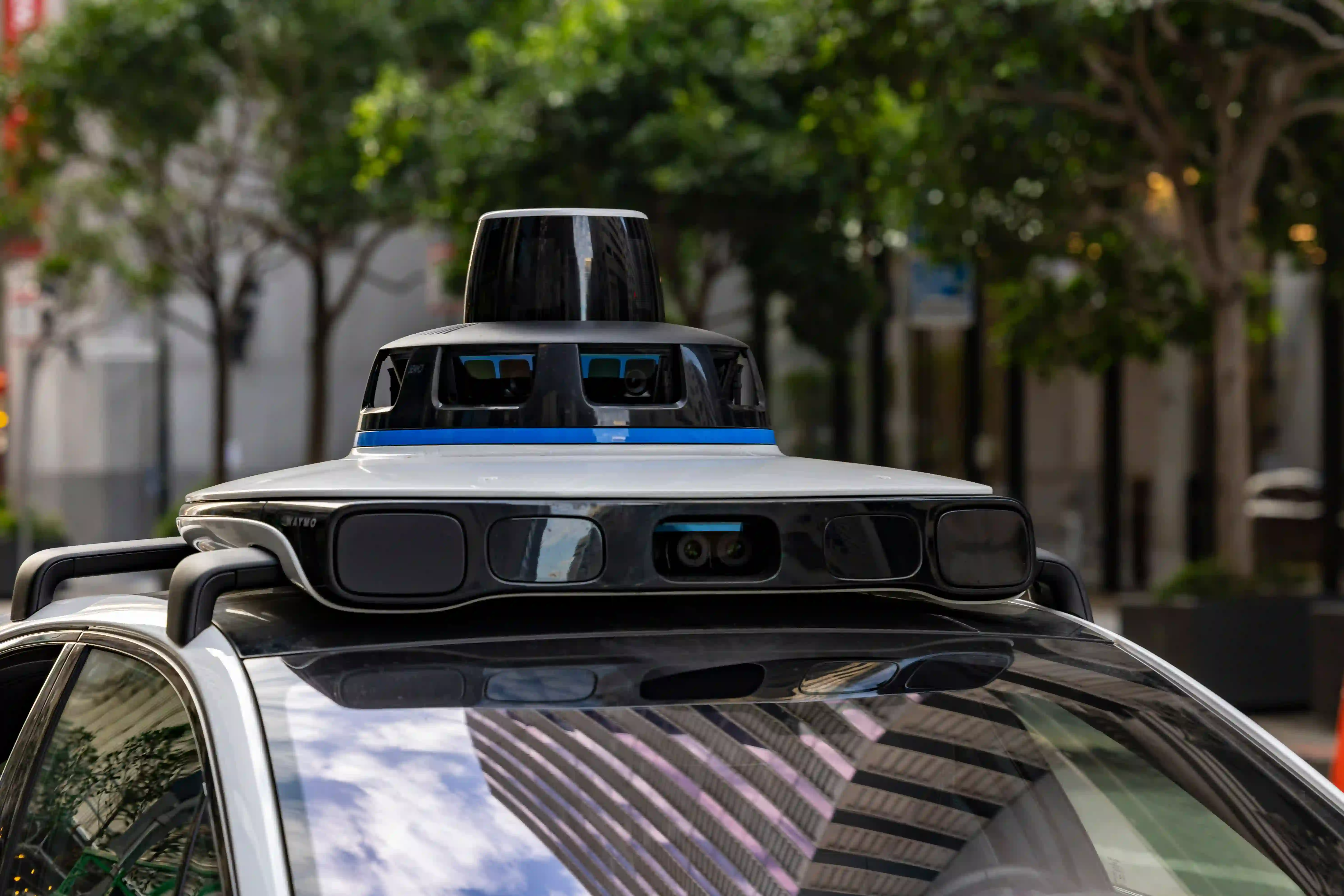
One Company's Simulated Miles Outnumber an Entire State's Real Ones by 930 to 1
Every self-driving car licensed in California drove under 4 million miles last year. One company alone simulated 3.65 billion. That's not a rounding error.
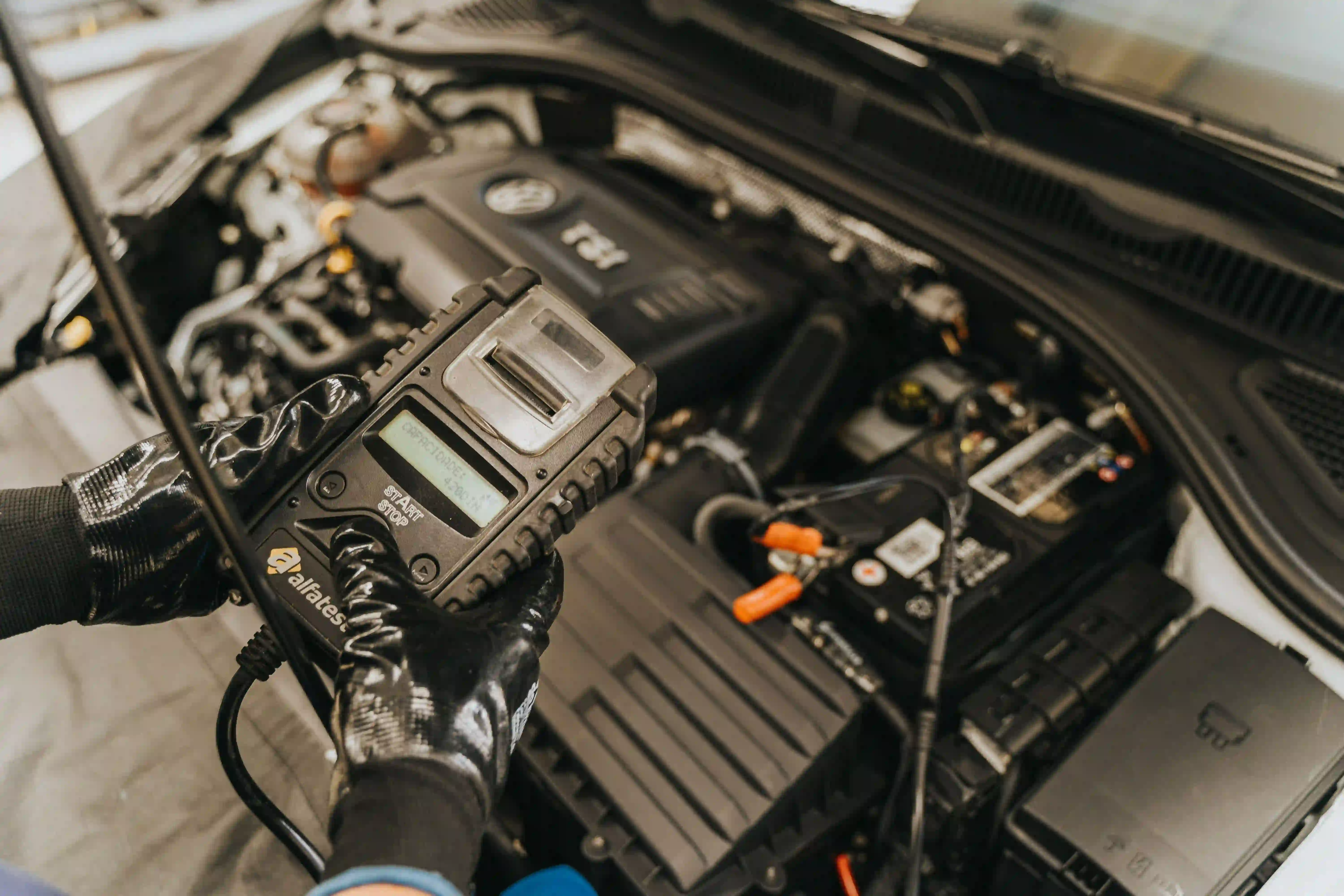
Validating One Self-Driving Car Would Take a Fleet 150 Years on Real Roads
To physically validate one self-driving car properly, you'd need 1,000 vehicles driving nonstop for a century and a half. That's the actual math behind why simulation won.
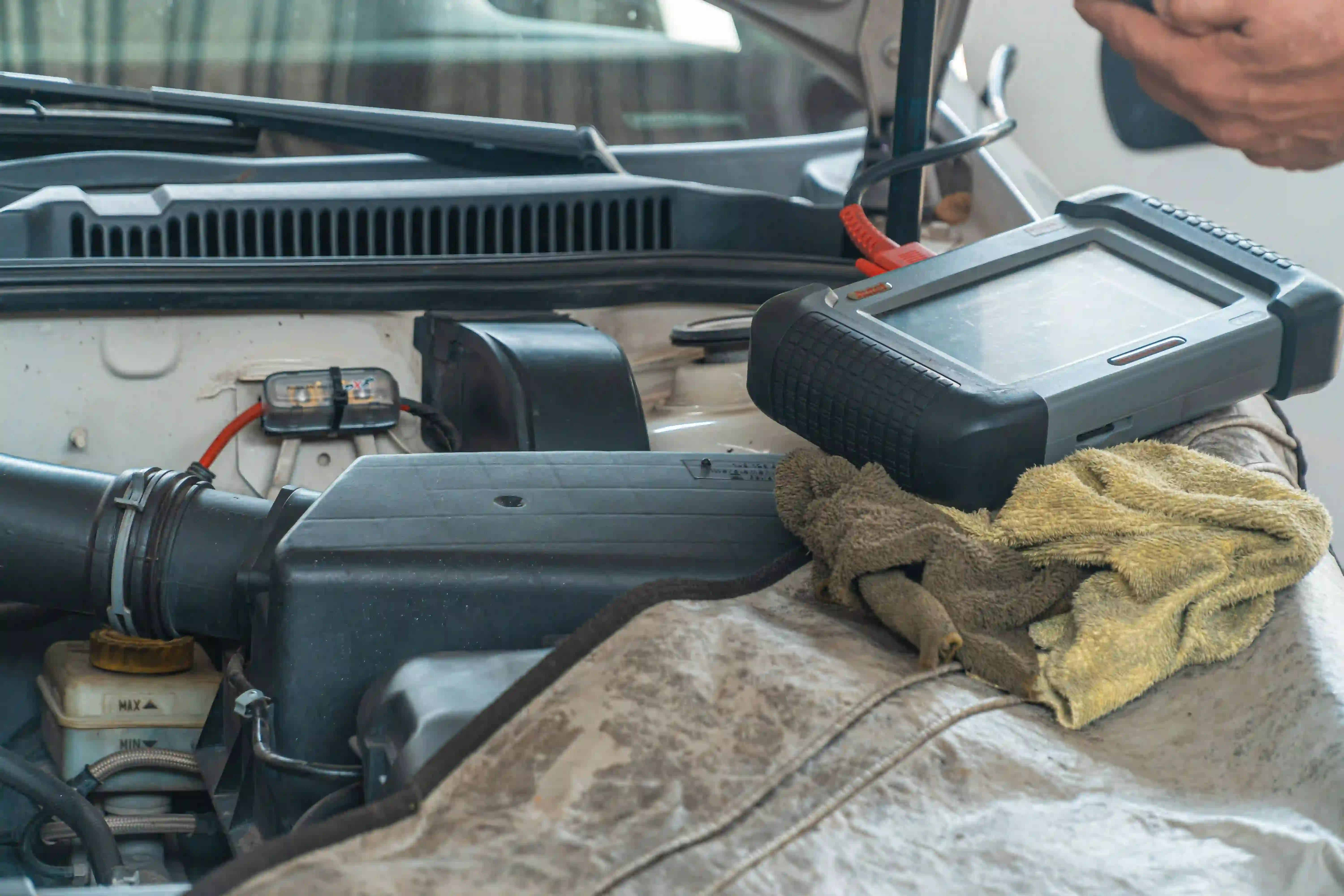
Porsche Killed Its Best-Selling Model Because Fixing It Cost Half a New Car
Porsche's own math: fixing the old car's wiring to meet a new EU law would cost about half of building an entirely new model. So they didn't fix it.
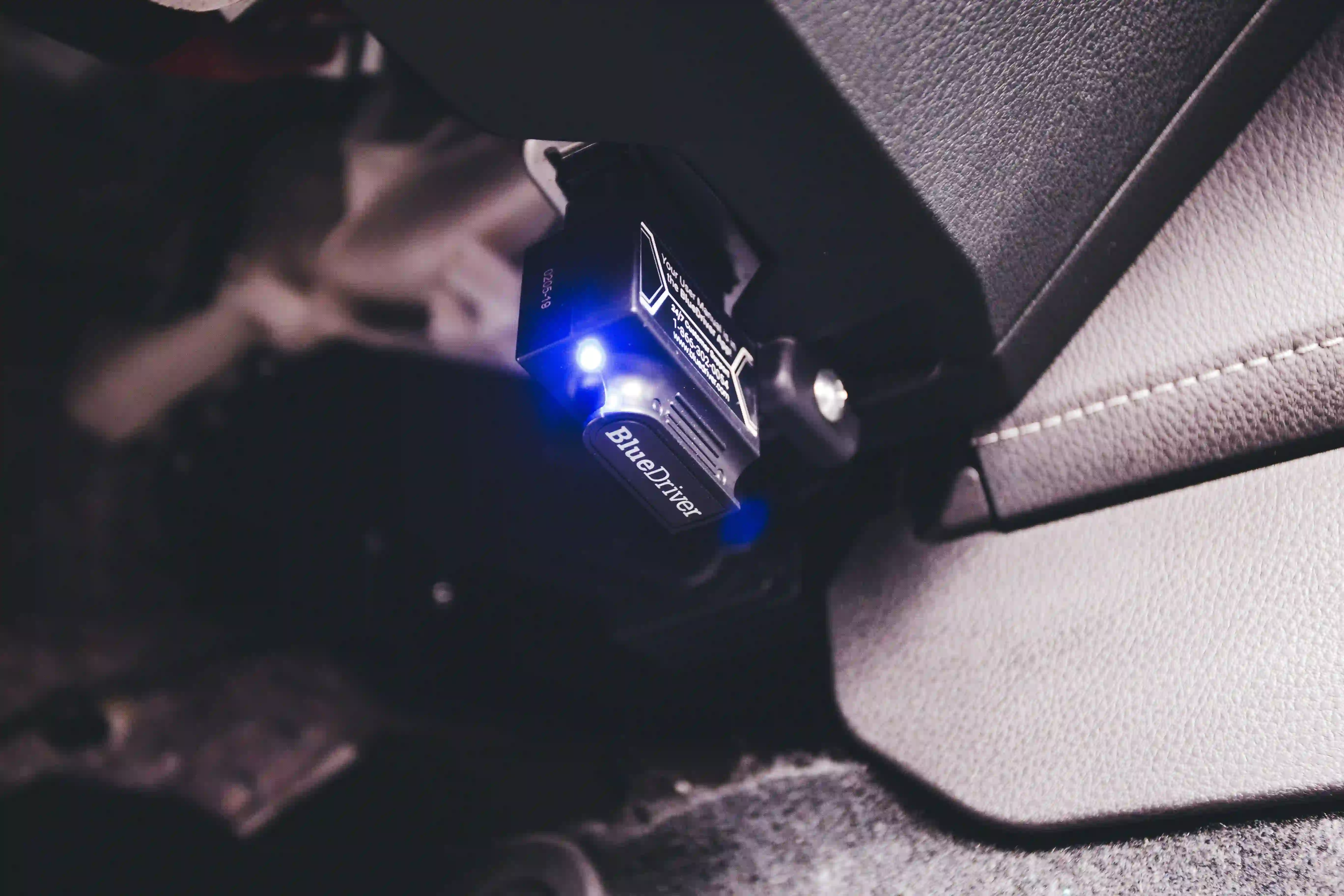
Regulators Said Simulation Counts as Proof. Almost No One Can Prove Their Simulation.
The rule says simulation counts as legal proof. Very few automakers can actually produce the documentation that makes their simulation count.
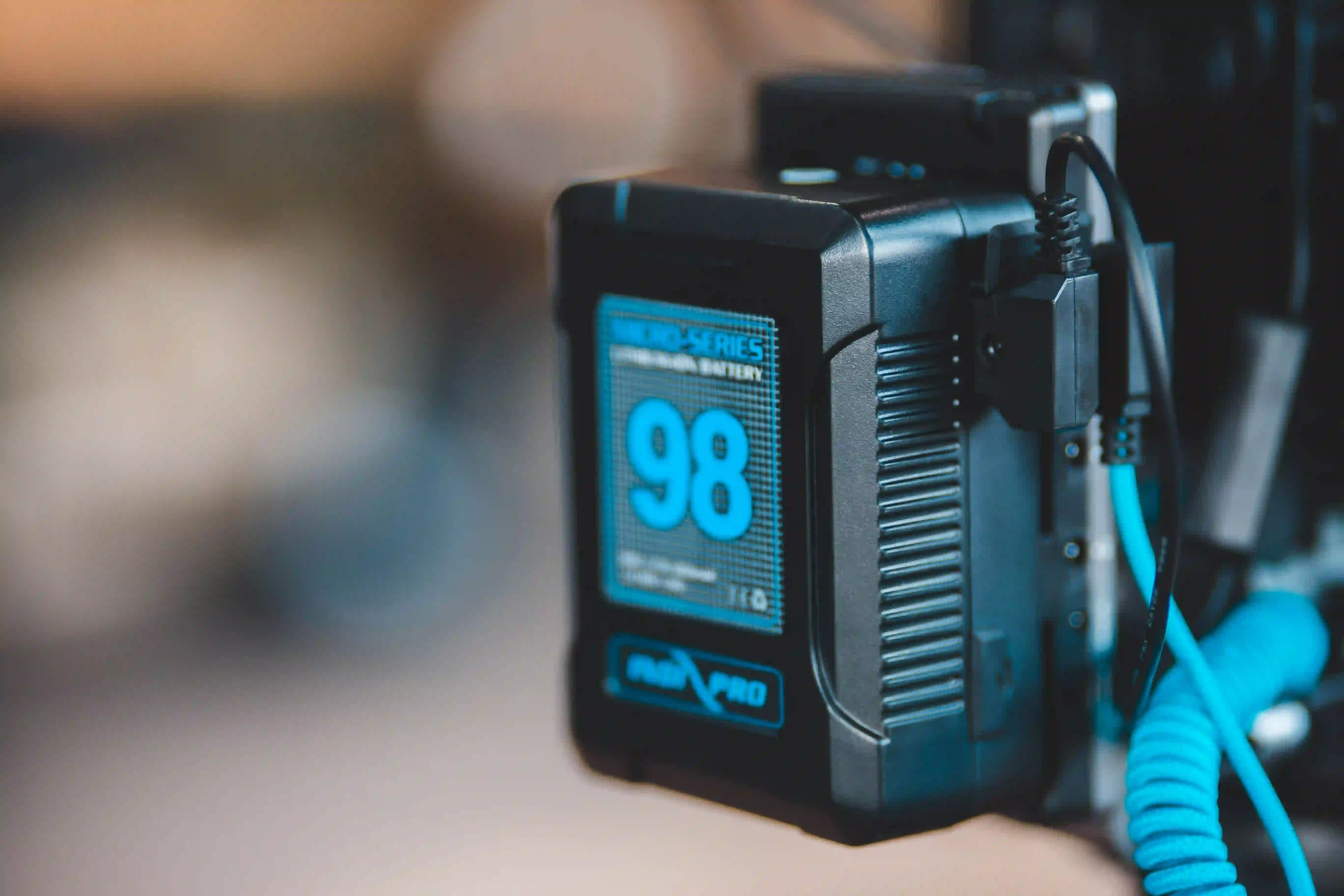
Two States Just Set the Legal Template for EV Battery Right to Repair
Voters approved it. Automakers sued to block it. A federal court upheld it anyway. Here's what Massachusetts and Maine's fight over car data means for EV battery repair.
Eight verticals. Pick your starting point.
Each vertical maintains its own analyst lead, refresh cadence and methodology spine.