Market research insights from our research desk.
Long-form analysis, sector briefings and methodology notes built on validated data, primary interviews and traceable sources — reviewed by a sector lead before it ships.
01 / Insights — page 3
51 insights
Which China car count should a connected car model use?
China's 31.436 million vehicle headline is not the base for a connected car model. Removing commercial vehicles and exports leaves 22.61 million domestic passenger cars, a 28% smaller number.

A Shopper Never Typed Your Dealership's Name. AI Recommended It Anyway 97% of the Time.
Nearly half of car shopping questions don't mention a brand at all. The AI answering them recommends one anyway, 97% of the time. That changes who's competing.

A Dealer Group Lost Money on Every Car It Sold. That's Why It's Betting on Free Search Traffic.
A dealership group with over 400 locations lost money on every single new car sold. That math explains exactly why it's walking away from paid search.

Germany Cut an EV Subsidy. AI Search Rewired Itself Within Months.
One subsidy disappeared overnight. Electric car sales fell 27%. AI search answers changed almost as quickly, and in a very specific direction.
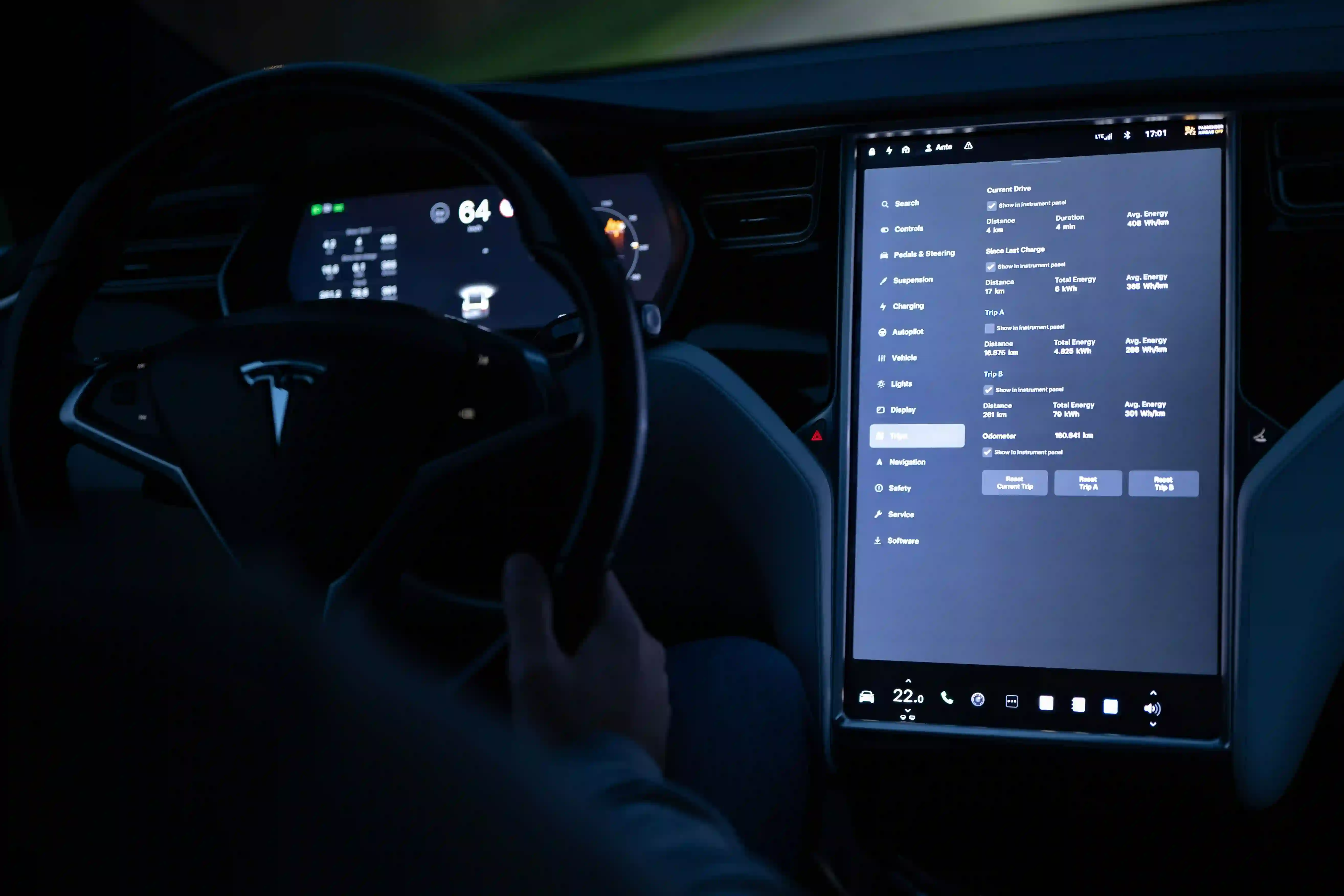
85% of Shoppers Want to Ask AI About Cars. 12% of Dealer Sites Can Actually Answer.
Most car shoppers are ready to ask an AI assistant for help. Almost none of the dealer websites that assistant would need to read are actually built for it.
One Accident Grounded 1,119 Robotaxis and Reshaped a Whole Industry's Testing Strategy
One accident in San Francisco grounded over a thousand vehicles. What happened next tells you exactly where the industry decided to put its money instead.
China Just Approved Its First Level 3 Self-Driving Cars. Here's What It Actually Took.
Two automakers just crossed a line no one in China had crossed before. Getting there took more than just good software, it took a specific, verifiable process.
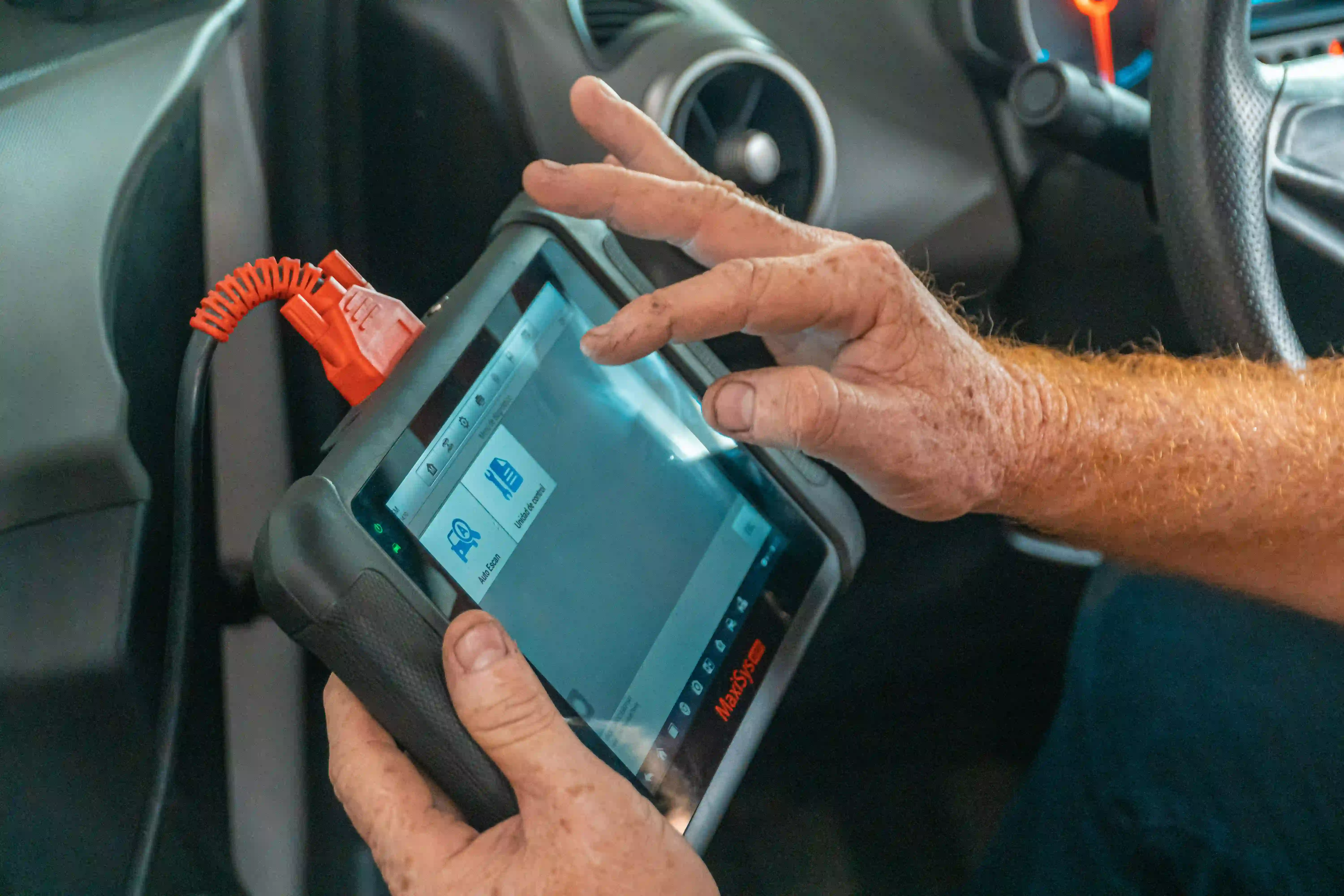
Three Deals, $47 Billion, and the End of the Standalone Simulation Vendor
Three companies. Three acquisitions. One shared bet: that the future of car engineering software belongs to whoever owns the whole stack, not just one piece of it.
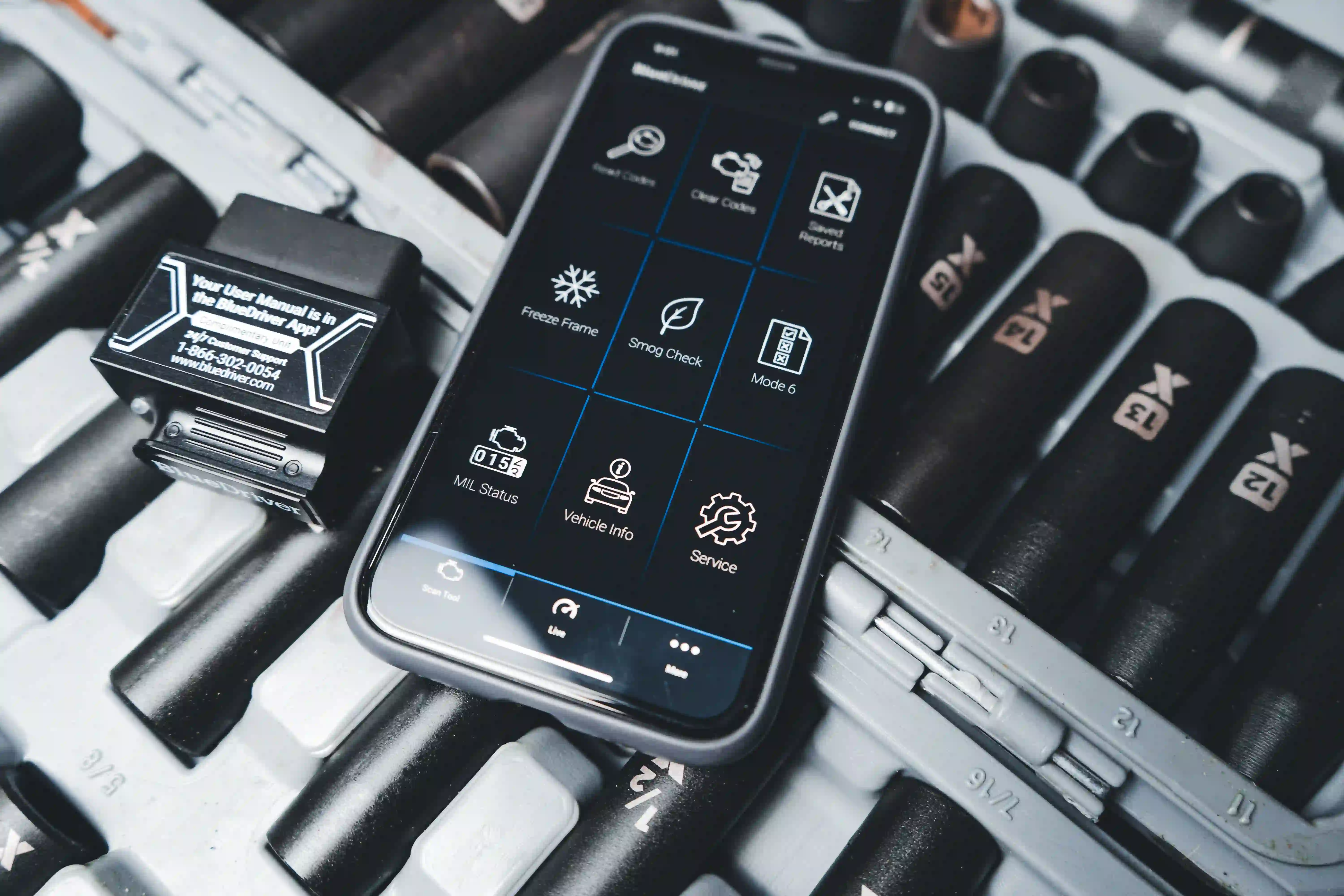
Why One Simulation Startup Is Valued Almost Twice as Rich as Ansys Ever Was
Two companies, one industry, two wildly different price tags. The gap tells you exactly what investors think the future of car simulation looks like.
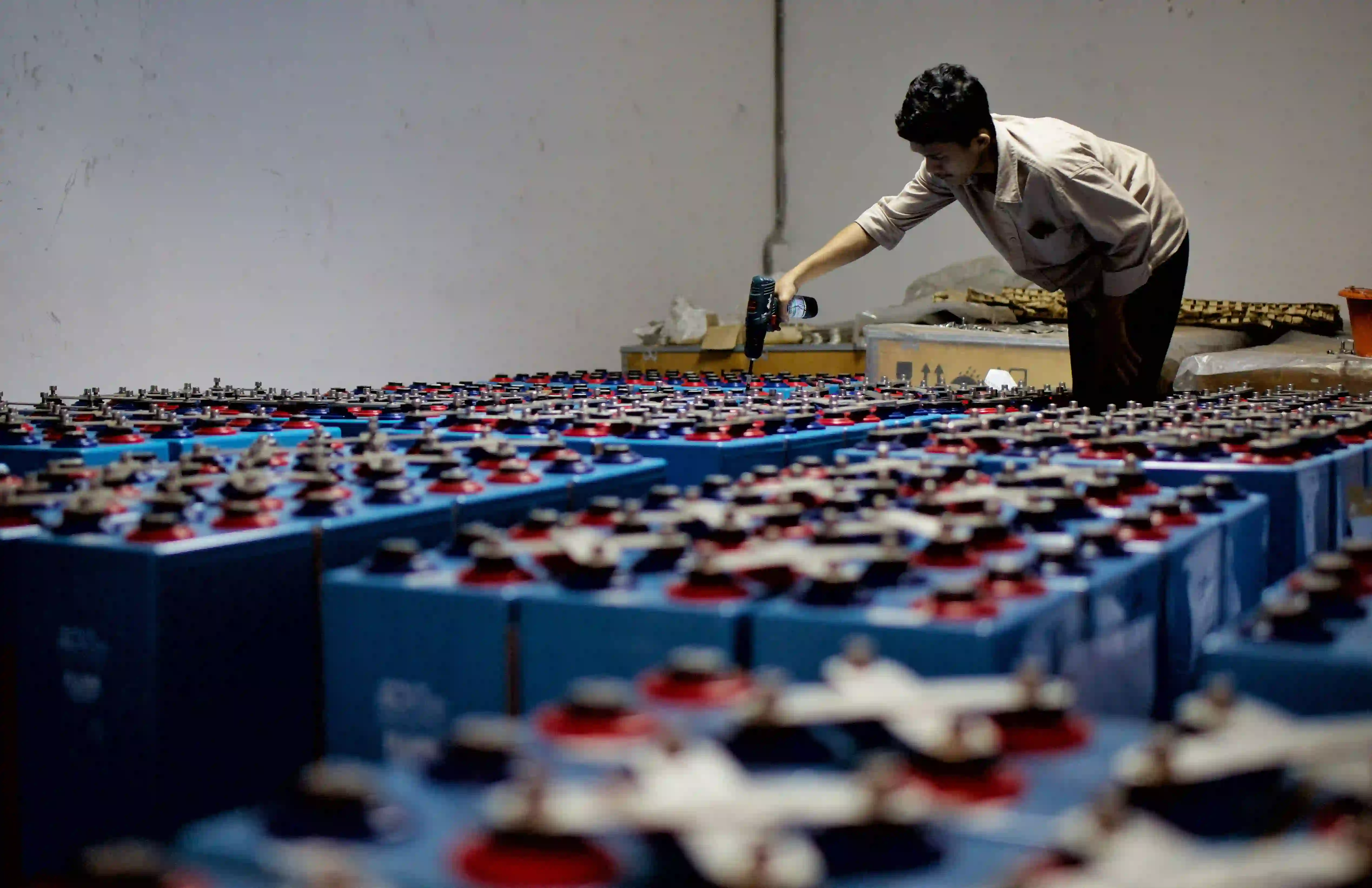
The Glue Holding Your EV Battery Together Might Also Be Locking You Out of Repair
A battery pack that's structurally bonded into the car can't just be pried open for repair. The glue itself is now the biggest obstacle to fixing it.
Eight verticals. Pick your starting point.
Each vertical maintains its own analyst lead, refresh cadence and methodology spine.