Market research insights from our research desk.
Long-form analysis, sector briefings and methodology notes built on validated data, primary interviews and traceable sources — reviewed by a sector lead before it ships.
01 / Insights — page 13
150 insights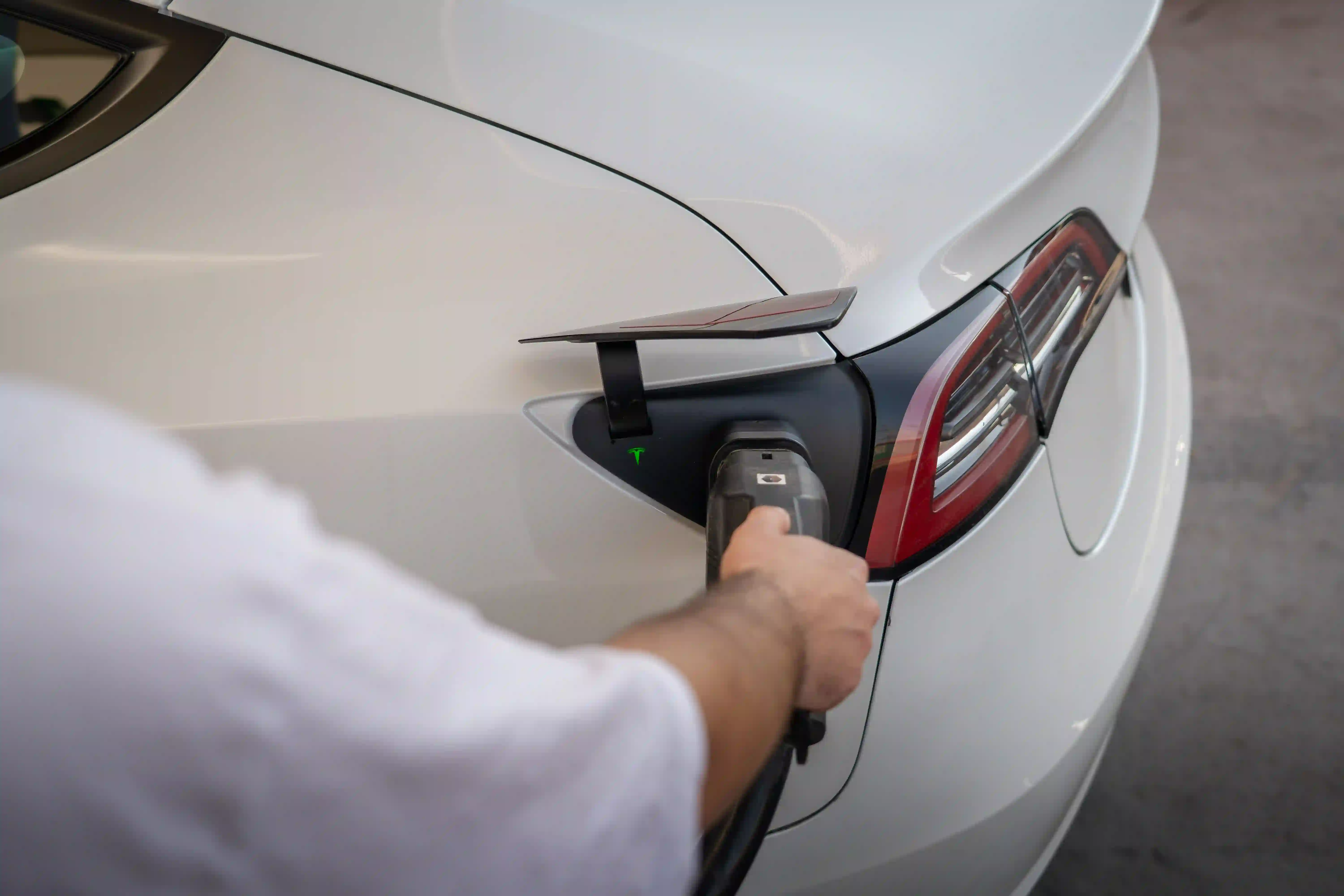
When Canada Pulled EV Subsidies, Plug-in Hybrids Barely Flinched. Battery-Electrics Collapsed.
Same subsidy cliff. Same country. Same year. One electrified powertrain fell off a cliff. The other barely stumbled.
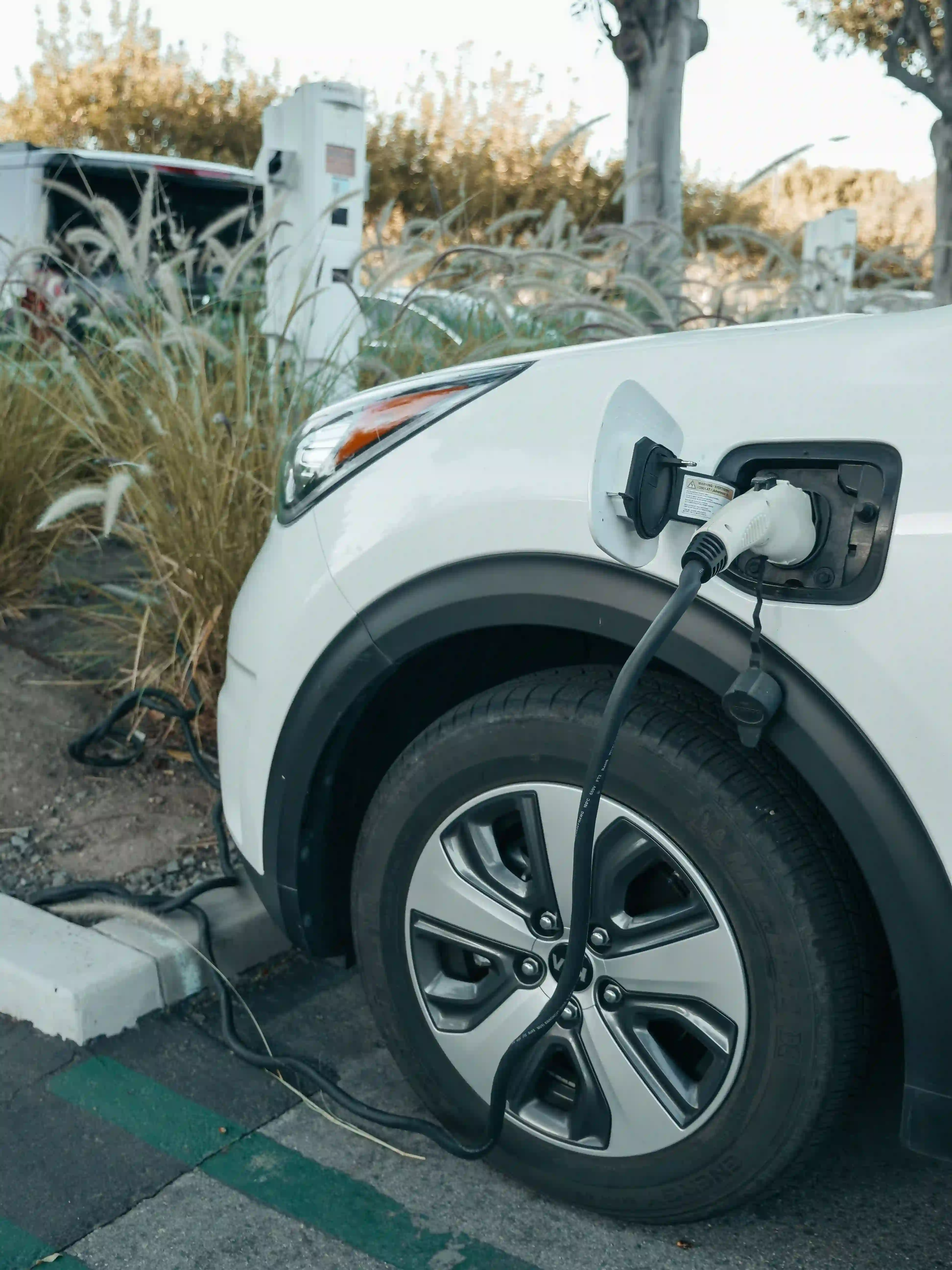
Why a Mexico City PHEV Buyer and a Monterrey PHEV Buyer Have Nothing in Common
Two Mexican cities, two completely different reasons to buy the same car. One is about avoiding a fine. The other is about affording the badge.
The Two Mexican Policies That Actually Explain PHEV Growth
Mexico's plug-in hybrid boom traces back to two specific government policies. One waives a tax. The other waives a traffic ban. Together they change the math entirely.

Mexico Just Reached a Milestone No One Predicted This Soon: PHEVs Outselling EVs
Mexico's electrified vehicle market just crossed a line nobody expected this early. Plug-in hybrids outsold battery-electric cars in a single month for the first time.
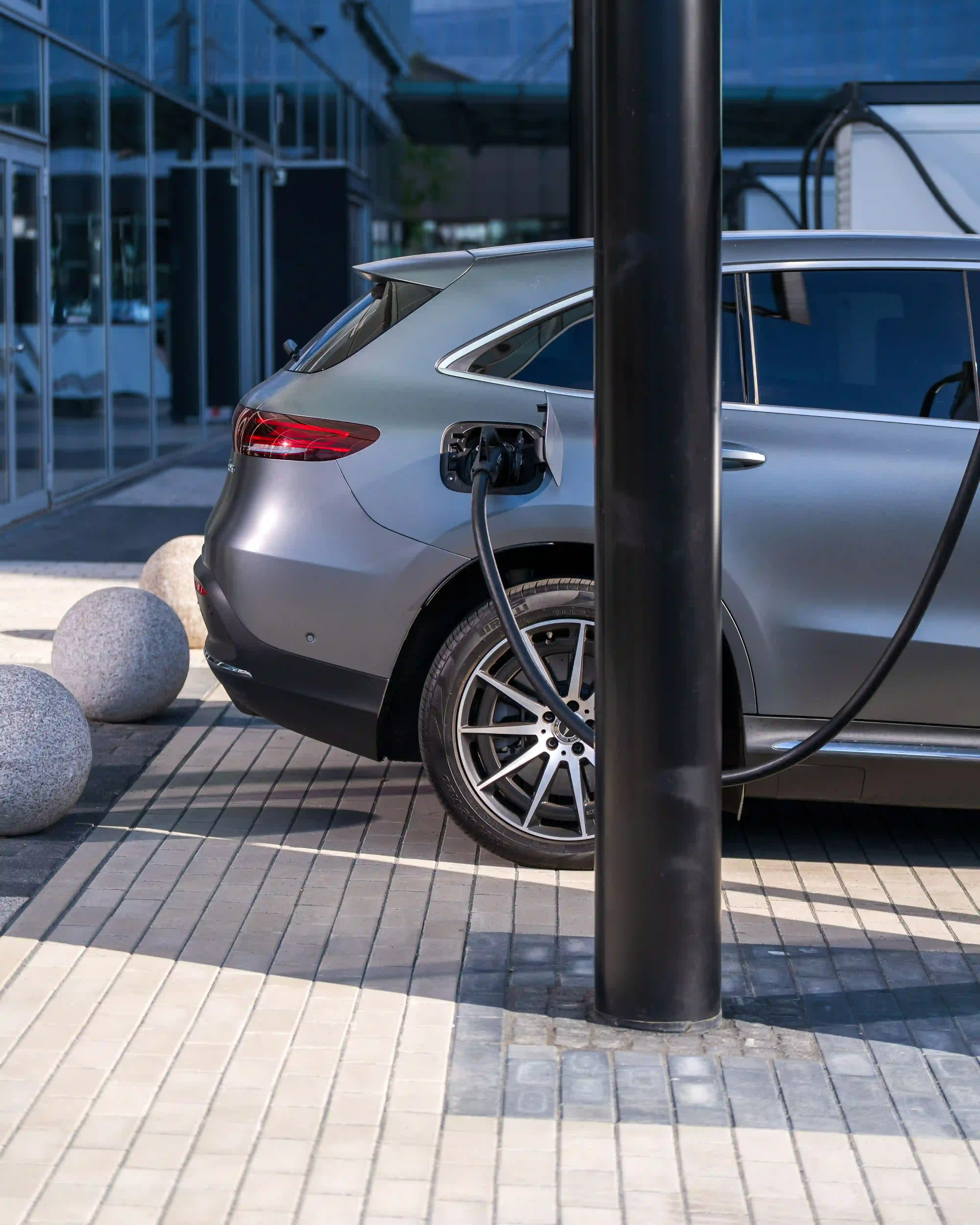
India's Plug-in Hybrids Are Sold as Green Cars. Some Never Get Plugged In.
India's plug-in hybrids carry green credentials on paper. Some owners never plug them in at all. The fuel economy gap tells the real story.

Why a Plug-in Hybrid Takes 6.6 Years to Pay Off in India, Even After Tax Reform
The fuel savings from a plug-in hybrid are real and substantial in India. The upfront cost premium is bigger. Here is exactly how the two numbers compare.

India's September 2025 Tax Reform Quietly Changed the Math for Plug-in Hybrids
A major September 2025 tax reform reshaped what plug-in hybrids cost in India. Today's luxury imports barely notice. Tomorrow's mass-market models could be transformed.
Why Two Official Numbers for China's PHEV Market Are Both Right
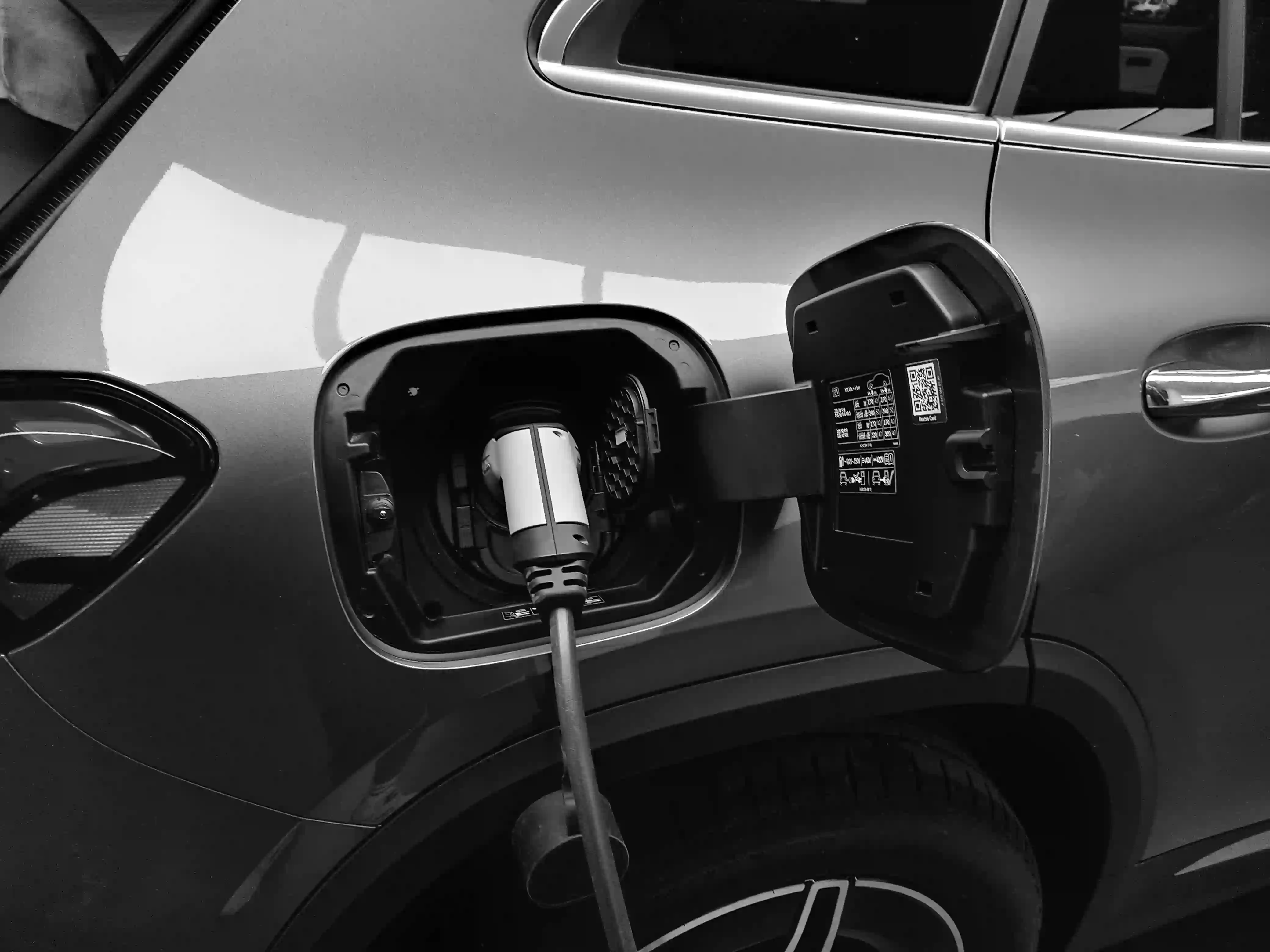
CAAM counted 5.84 million PHEVs leaving Chinese factories in 2025. CPCA counted 4.57 million reaching Chinese buyers. Both numbers are correct — they measure different things.
Brussels Just Removed 80% of Companies From the PHEV Fleet Rule Everyone Warned About
Fleet managers were warned that unmanaged PHEV charging behavior created Corporate Sustainability Reporting Directive exposure. A March 2026 EU reform raised the compliance threshold so high that most Italian corporate fleets no longer carry that specific risk at all.
How a 326-Horsepower BMW Dodges Italy's Luxury Car Tax
Italy's Superbollo surcharge taxes engines, not vehicles. A plug-in hybrid can output well over 300 horsepower and still owe nothing extra, because the law only counts the petrol engine's share of that power. A January 2026 reform changed who collects the tax, but not this mechanism.
Eight verticals. Pick your starting point.
Each vertical maintains its own analyst lead, refresh cadence and methodology spine.