Market research insights from our research desk.
Long-form analysis, sector briefings and methodology notes built on validated data, primary interviews and traceable sources — reviewed by a sector lead before it ships.
01 / Insights — page 5
58 insights
In Japan, Your Plug-in Hybrid Can Power Your House for Nearly Two Weeks
A car that can keep your refrigerator running for a week and a half sounds like a stretch. In Japan, it's a standard feature buyers actively shop for.

Canada Says It's Scrapping Its EV Mandate. Technically, It Hasn't Yet.
Everyone has been talking about Canada's EV mandate repeal like it already happened. It hasn't. Here's where things actually stand.

The Two Mexican Policies That Actually Explain PHEV Growth
Mexico's plug-in hybrid boom traces back to two specific government policies. One waives a tax. The other waives a traffic ban. Together they change the math entirely.
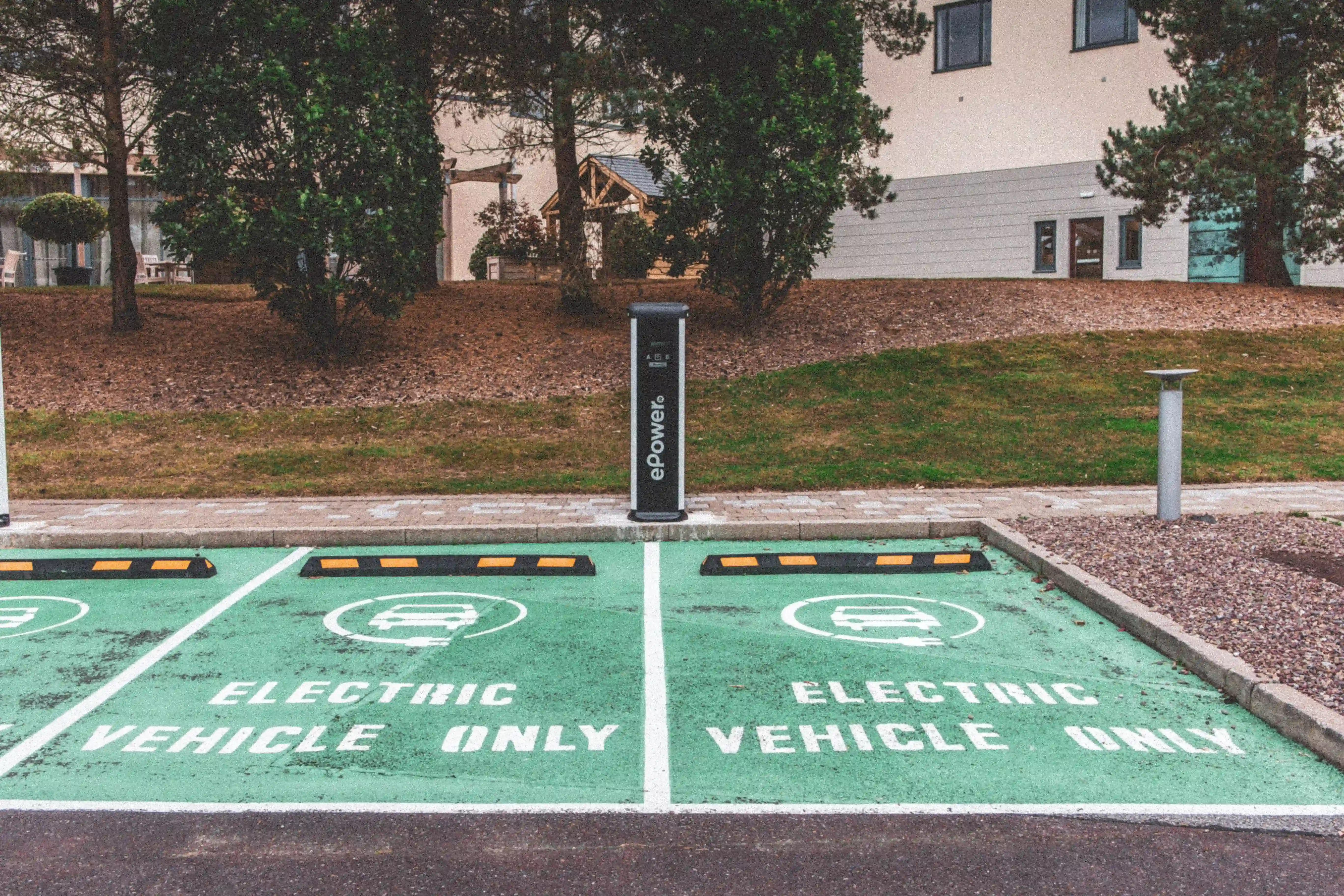
Why a Plug-in Hybrid Takes 6.6 Years to Pay Off in India, Even After Tax Reform
The fuel savings from a plug-in hybrid are real and substantial in India. The upfront cost premium is bigger. Here is exactly how the two numbers compare.

Why Two Official Numbers for China's PHEV Market Are Both Right
CAAM counted 5.84 million PHEVs leaving Chinese factories in 2025. CPCA counted 4.57 million reaching Chinese buyers. Both numbers are correct — they measure different things.
Why a Region of One Million People Registers a Third of Italy's Fleet Cars
A single 2011 fiscal decree let two autonomous provinces opt out of a national tax hike, and rental companies have been registering fleets there ever since. The loophole survived a 2011 government fix that closed it only for leasing, not rental.
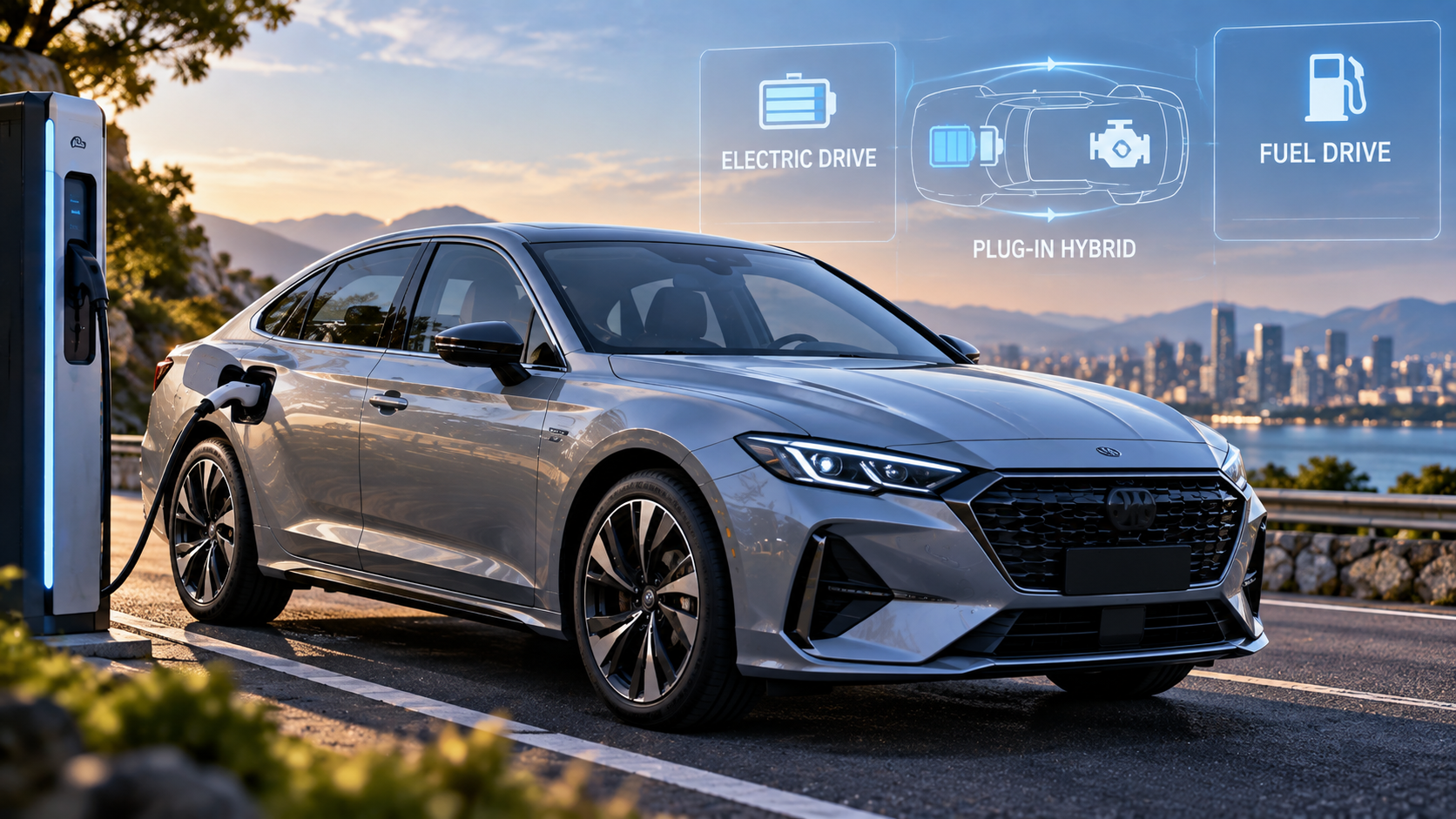
Why Brasília Has 7x Its Fair Share of Brazil's Electrified Cars
A single tax exemption law explains why Brazil's capital registers electrified vehicles at nearly seven times its population share — and why that gap could widen or close depending on a bill now before the local legislature.

Busan Leads Korea's PHEV Fleet Registrations. It's a Tax Loophole, Not Demand.
Busan and Incheon together account for 57.7% of South Korea's corporate PHEV registrations. The real driver is a municipal subway-bond purchase rate, not local fleet demand.

Why Doesn't Hyundai Sell Plug-in Hybrids in Its Own Country?
Hyundai and Kia build plug-in hybrids in South Korea for export markets but have not sold one to a domestic buyer since 2022. The reason is a single subsidy decision.

Stationary battery storage grew faster than EVs in 2025. Nobody built a BMS strategy around that yet.
Non-EV battery deployment, mostly stationary storage, grew faster than EVs in 2025 for the first time in the period this research covers. Most BMS suppliers haven't caught up.
Eight verticals. Pick your starting point.
Each vertical maintains its own analyst lead, refresh cadence and methodology spine.