Two Numbers That Shouldn't Coexist, but Do
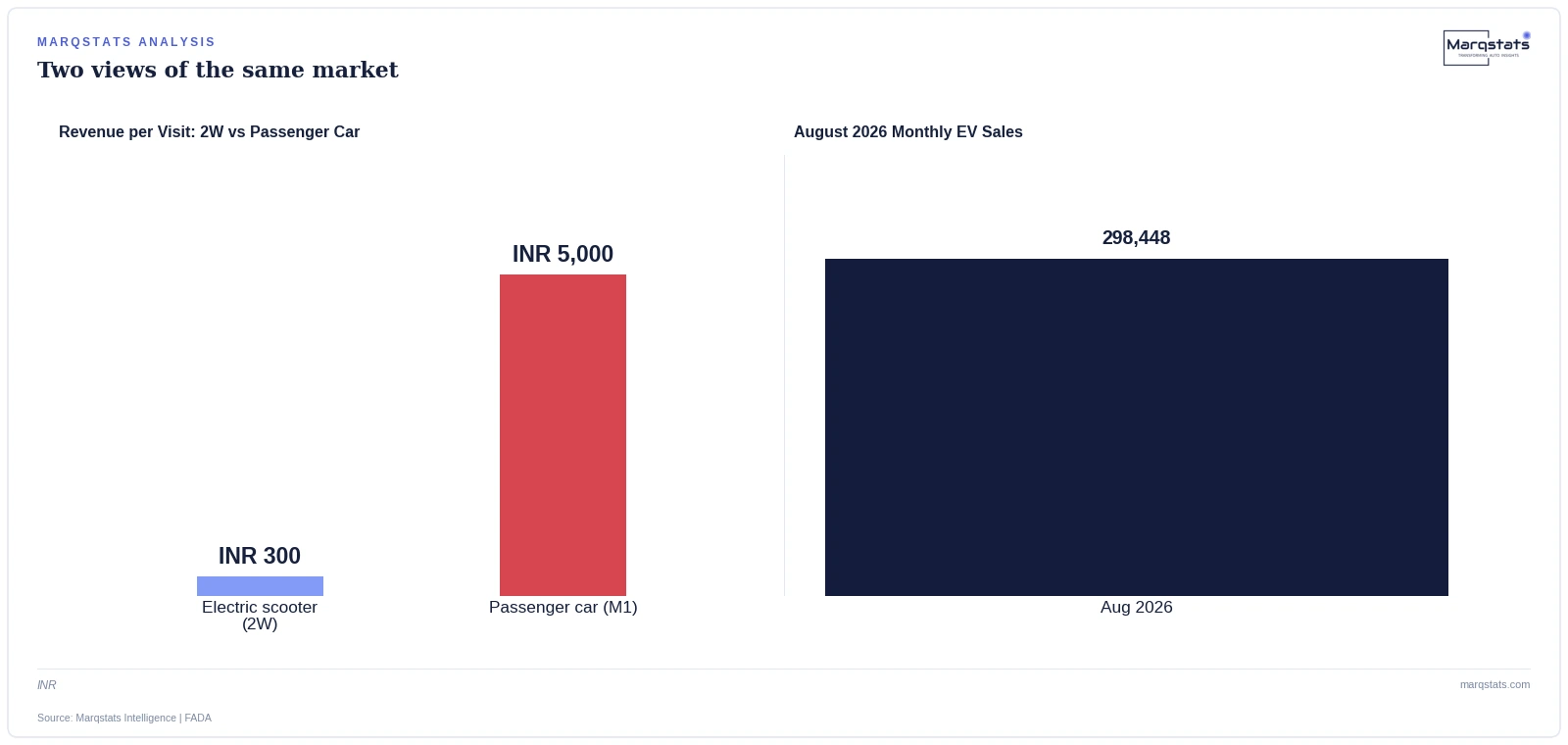
In August 2026, India's electric vehicle sales hit a record 298,448 units in a single month. Three months earlier, a survey from the same industry body found that most two-wheeler dealers servicing those vehicles are losing money on every visit.
The Gap in Numbers
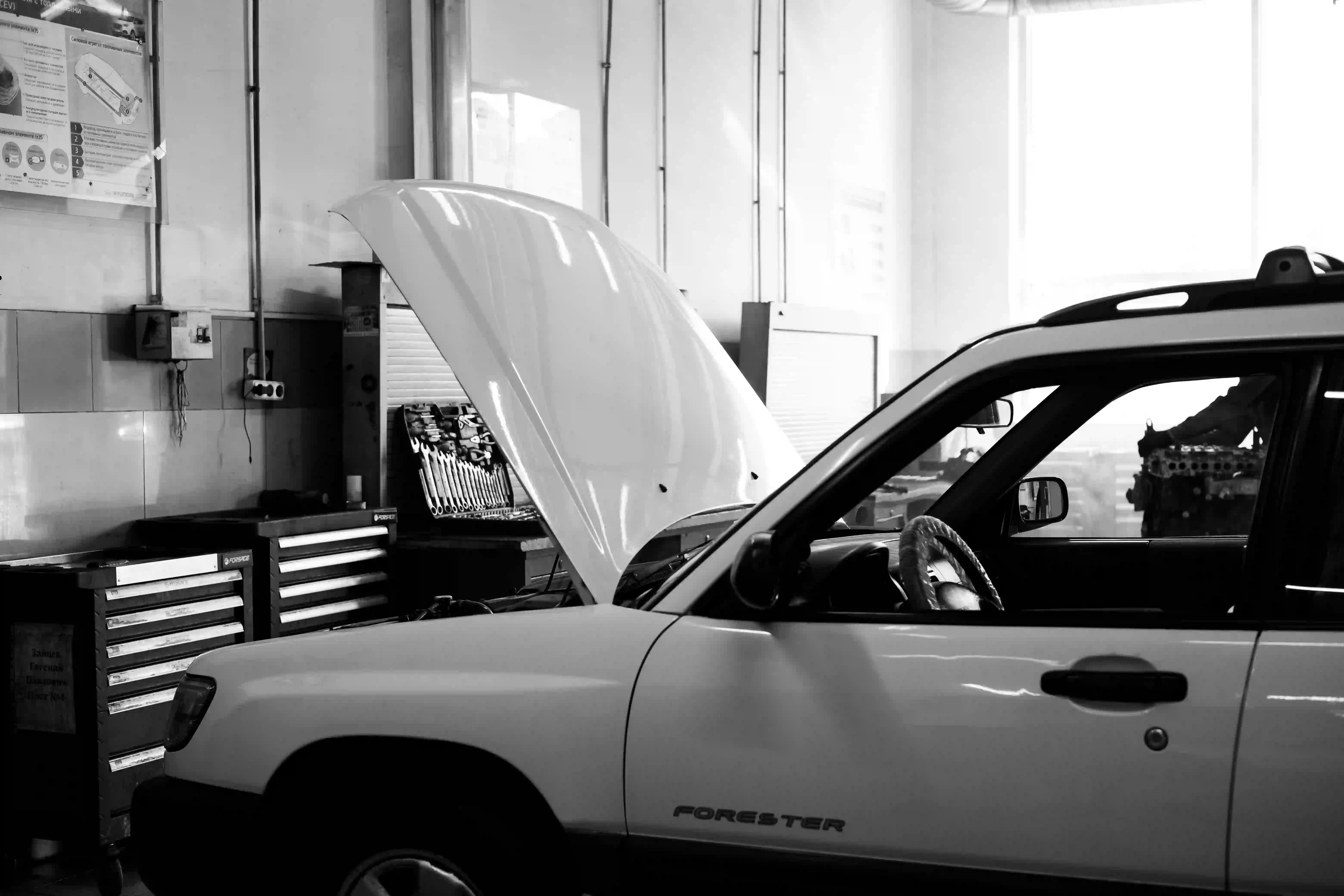
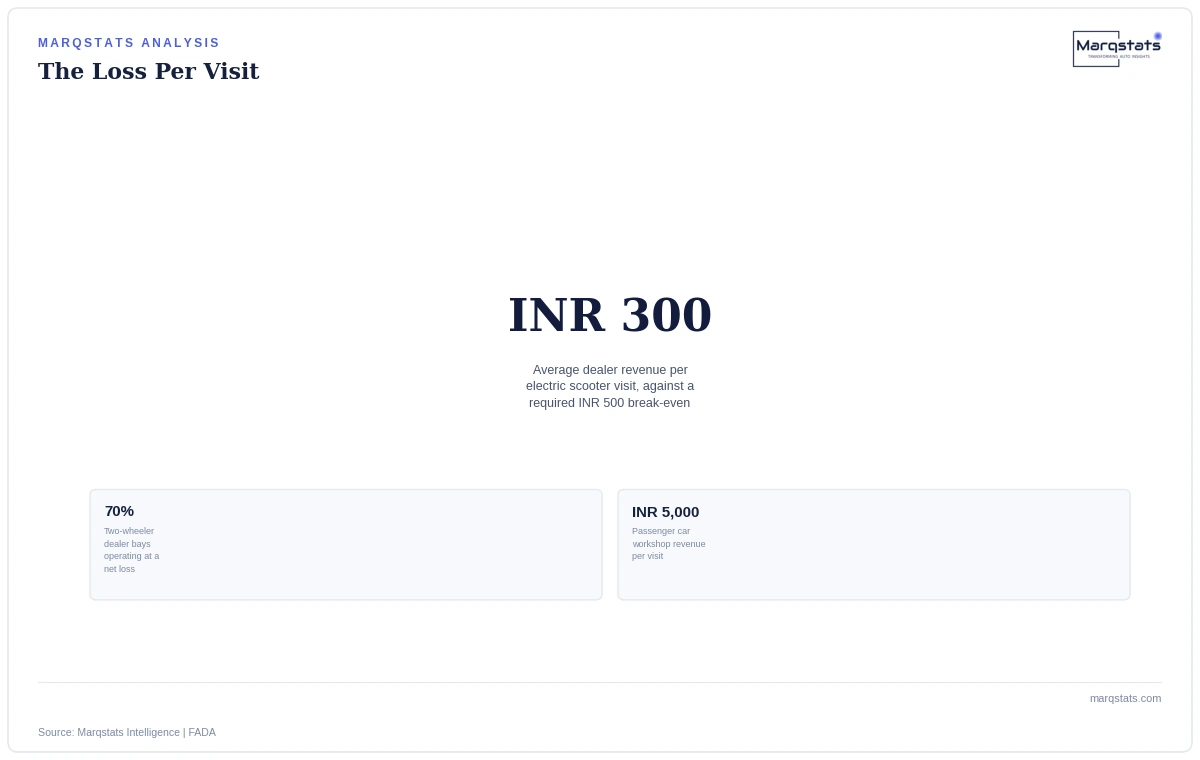
FADA's own survey data shows approximately 70% of authorized two-wheeler dealer service bays operate at a net loss as standalone cost centers, generating an average revenue of just INR 300 per electric scooter visit — mostly general inspection and software verification — against a required break-even realization of INR 500 per job card.
Why More Sales Doesn't Fix This
It's tempting to assume rising EV volume will eventually solve dealer economics on its own. It won't, because the problem isn't volume — it's what each individual visit actually generates. Electric scooters simply don't need the oil changes, spark plug swaps, and exhaust work that made ICE service bays profitable. More scooters coming through the door just means more visits losing money at the current pricing model, not fewer.
The Comparison That Makes It Clear
Passenger car workshops tell a completely different story: they generate roughly INR 5,000 per vehicle visit, comfortably covering diagnostic overhead and technician time. The gap isn't about electric vehicles being inherently unprofitable to service — it's specifically about the two-wheeler segment's ticket size being too small to cover fixed dealership costs built around a mechanical-service era that electric scooters have already left behind.
A Named Comparison: Why This Differs From a Typical Demand Slowdown Story
Most retail profitability crises in any industry coincide with weakening demand — fewer customers, lower margins, both trending the same direction. India's two-wheeler EV dealer crisis is genuinely unusual because demand is accelerating at the same time margins are collapsing. That combination points specifically to a structural pricing and cost-model problem, not a market-health problem — and it requires a structural fix, not just more customers walking through the door.
How This Compares to India's Own Passenger Car Segment
The contrast with passenger car servicing is genuinely instructive here. Passenger car workshops don't face this squeeze because their higher-value platforms, more complex systems, and higher-income customer base support the diagnostic labor rates needed to cover fixed costs -- a structural advantage the mass-market two-wheeler segment simply doesn't have built into its price point.
What This Means for Dealerships and Policymakers
The practical takeaway: two-wheeler dealership networks need to restructure toward annual maintenance contracts, value-added services, and forecourt revenue streams specifically, since waiting for volume alone to restore per-visit profitability will not work given how directly the underlying mechanics of EV servicing differ from the ICE model dealership cost structures were built around.