Market research insights from our research desk.
Long-form analysis, sector briefings and methodology notes built on validated data, primary interviews and traceable sources — reviewed by a sector lead before it ships.
01 / Insights — page 4
42 insights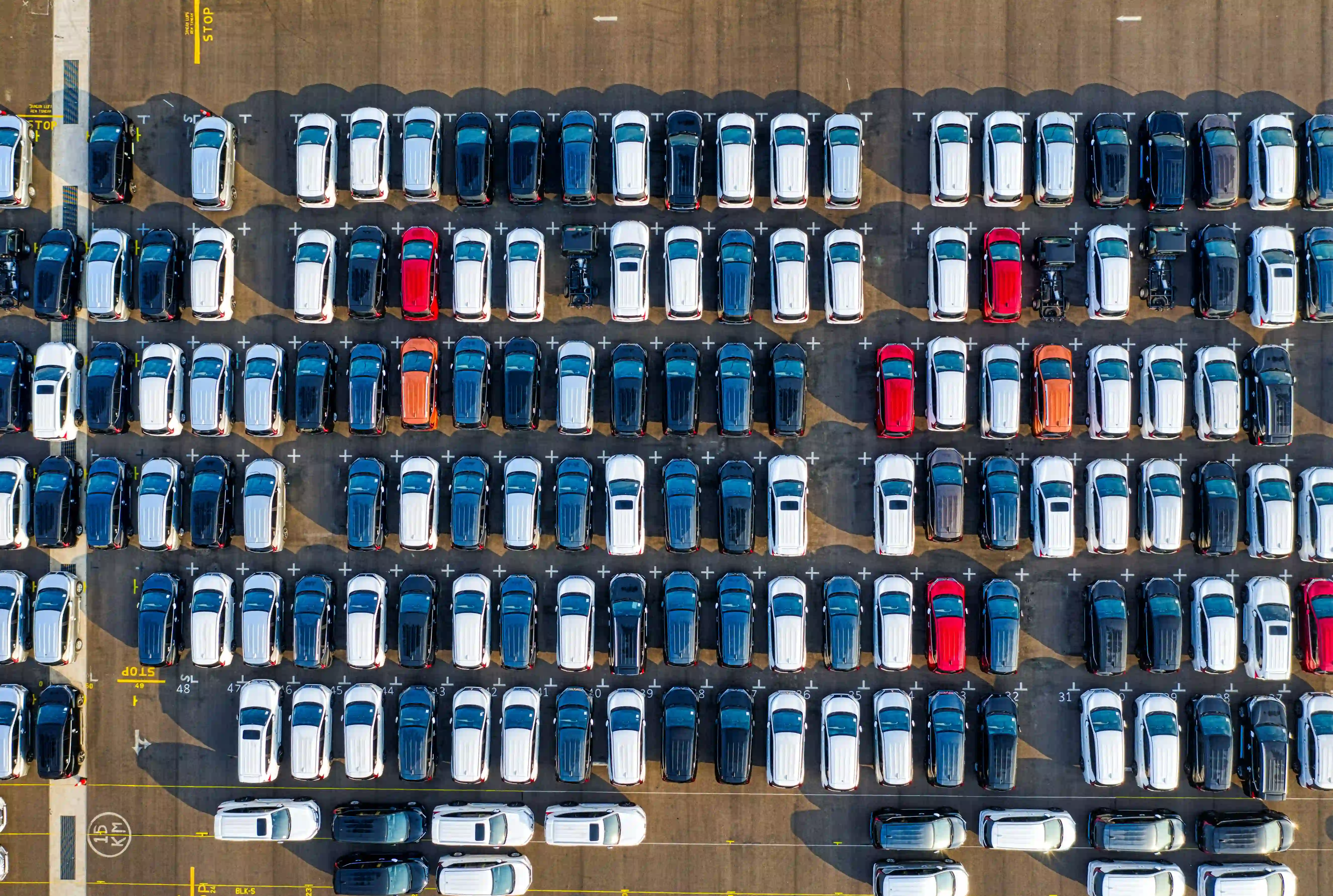
Your Car Generates 10 Terabytes a Year. Almost None of It Ever Leaves the Vehicle.
Modern cars generate a genuinely staggering amount of data. Almost none of it goes anywhere. Here's the math explaining why -- and it comes down to money.
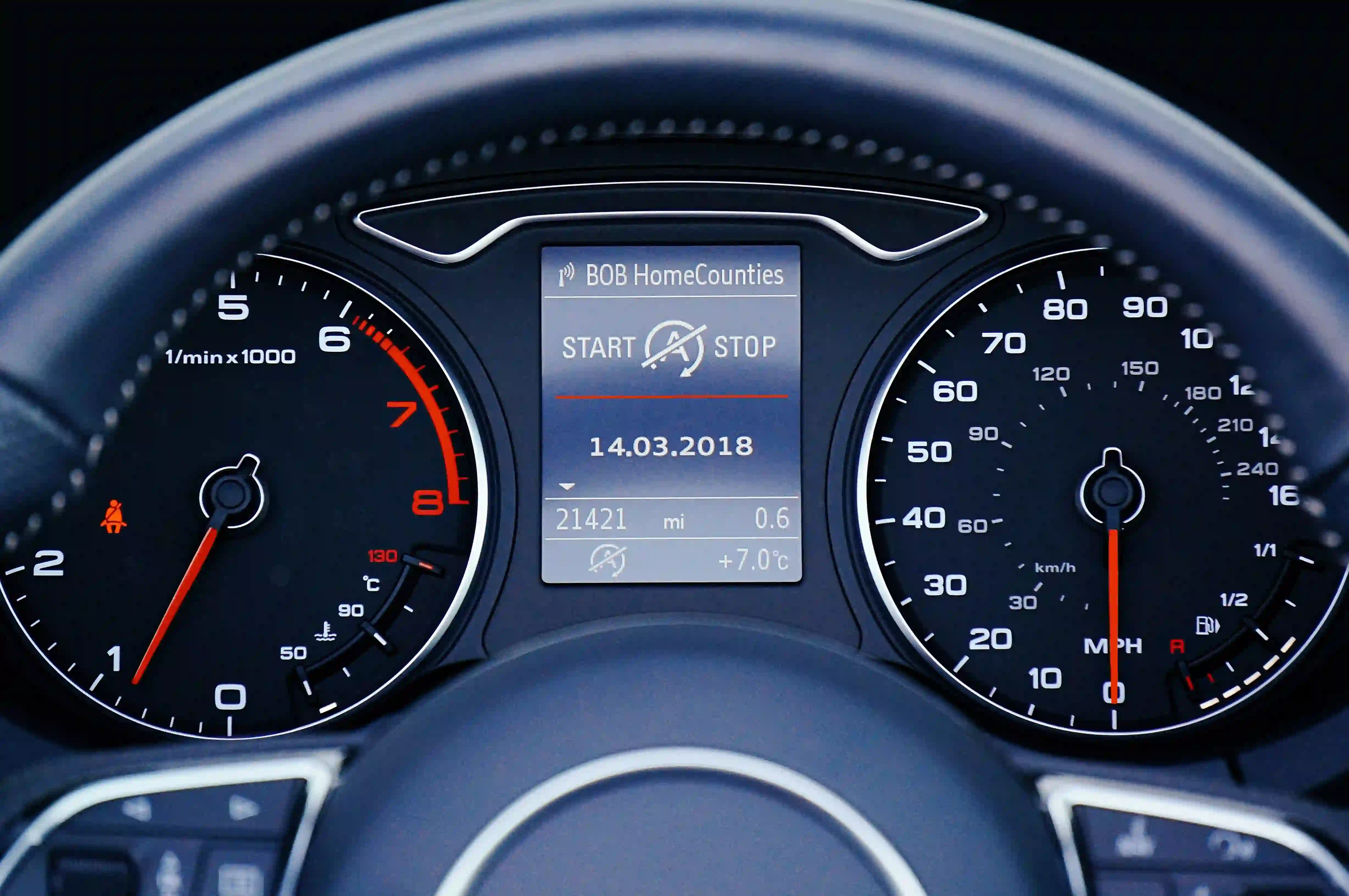
How Tata Motors Turned Fuel-Economy Data Into a Parts-Sales Machine
760,000 connected trucks. A 4.8% fuel-efficiency gain. And a parts marketplace that grew 3.8x. Here's how one telematics platform became a genuine sales engine.
BMW's Cloud Data Hub Ingests 110 Terabytes a Day. Here's the Trick.
20 million BMWs, 110 terabytes a day, only 5.5 megabytes per car. The math only works because the car does the filtering before anything gets sent.
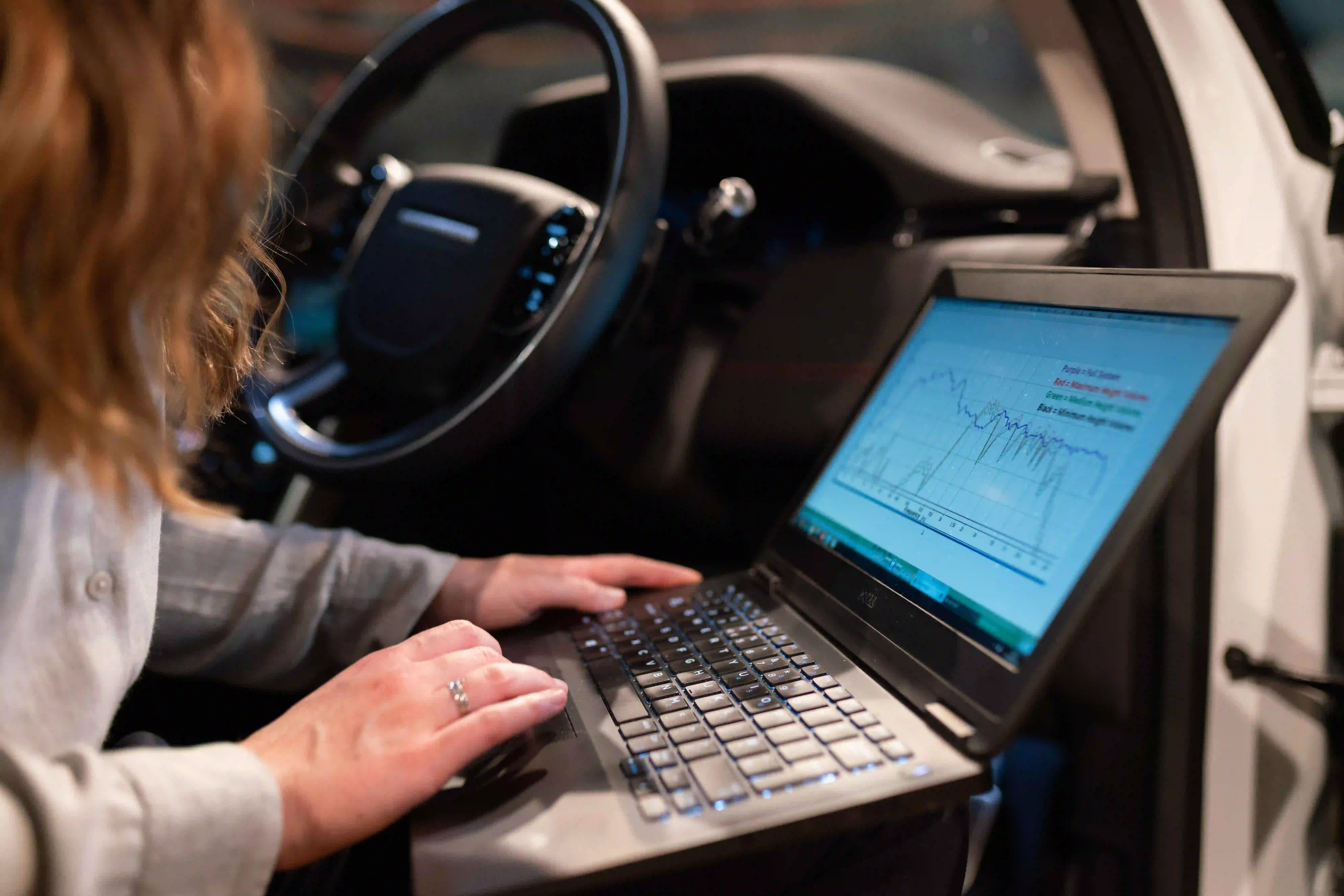
Without This Software Trick, Your Connected Car Bill Would Be $3,600 a Month
Uploading everything a car's sensors record would cost thousands of dollars a month. One piece of onboard software cuts that bill by 99.7% before it ever leaves the vehicle.
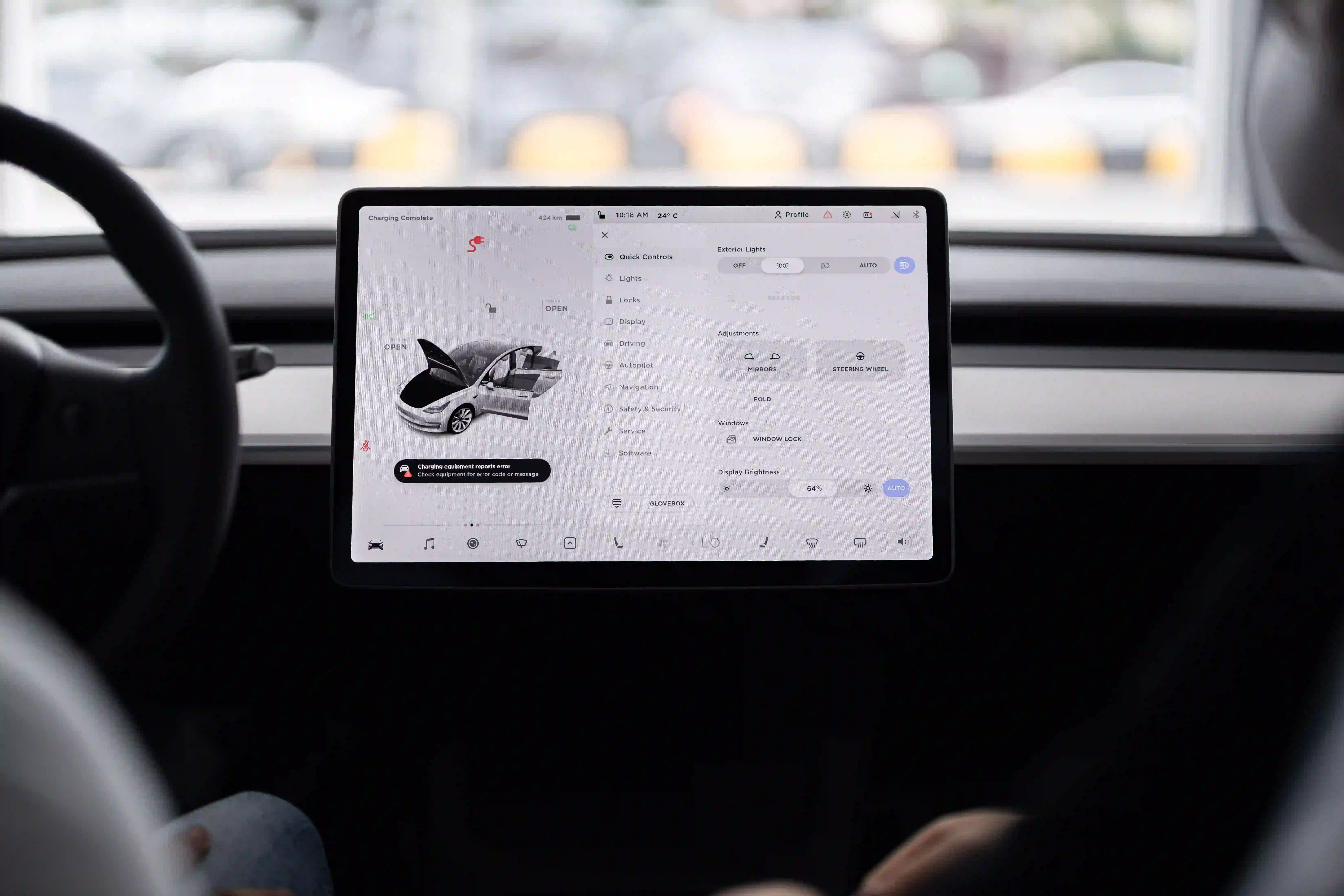
The Cheapest Bidirectional Charger Isn't the Charger At All
Two ways to add bidirectional charging to your home. One costs four times as much and takes four times as long to pay back. Here's the actual math.

Why a Wrecked EV Sells for Five Times Its Scrap Value
The metal inside a wrecked EV is worth a fraction of what the whole car sells for at salvage auction. Someone out there wants more than the metal.

Not All EV Battery Fires Are the Same Fire
Two battery chemistries, two completely different relationships with heat. If you're building a home battery bank, this difference matters more than price.
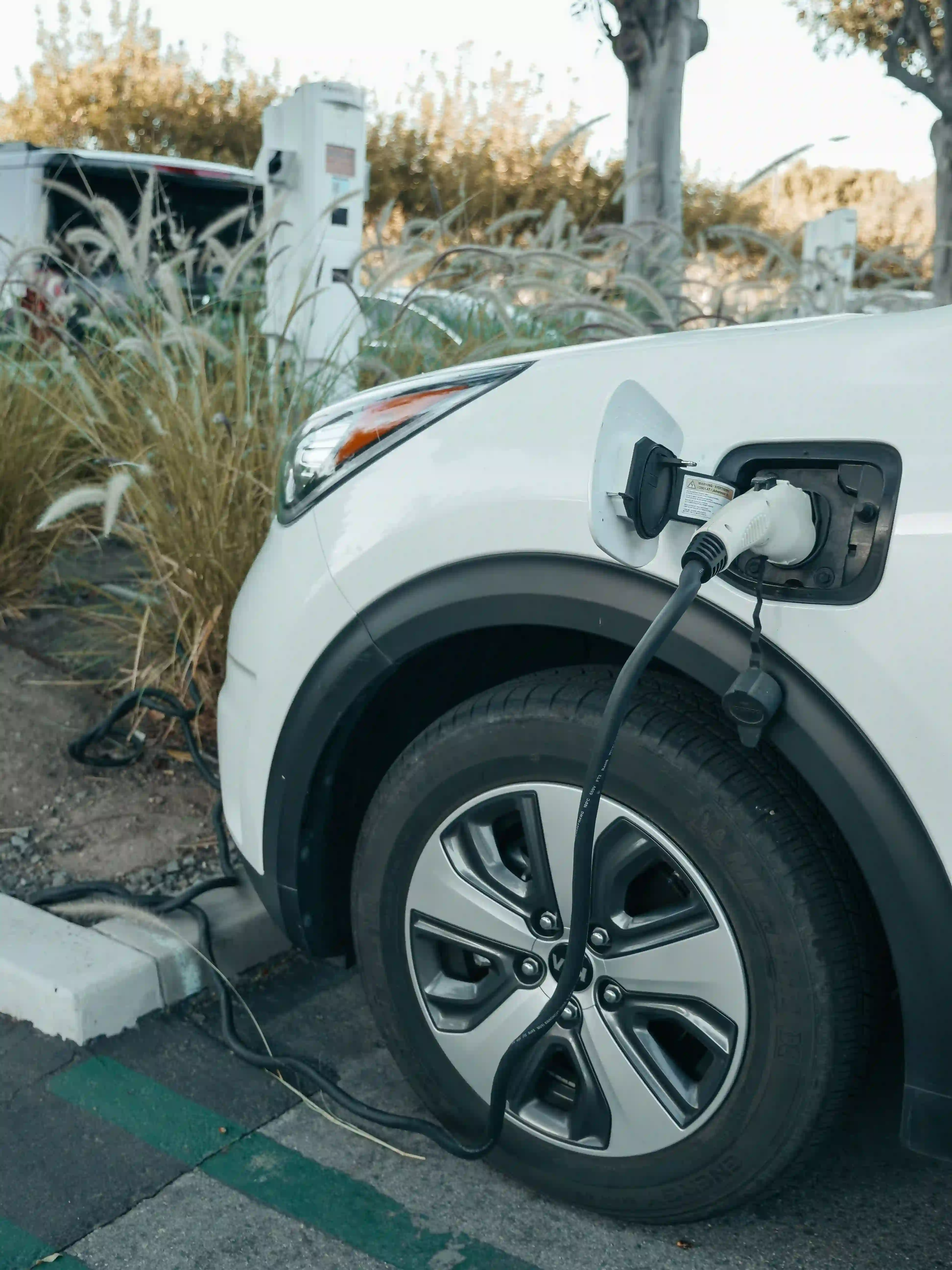
Why a Mexico City PHEV Buyer and a Monterrey PHEV Buyer Have Nothing in Common
Two Mexican cities, two completely different reasons to buy the same car. One is about avoiding a fine. The other is about affording the badge.
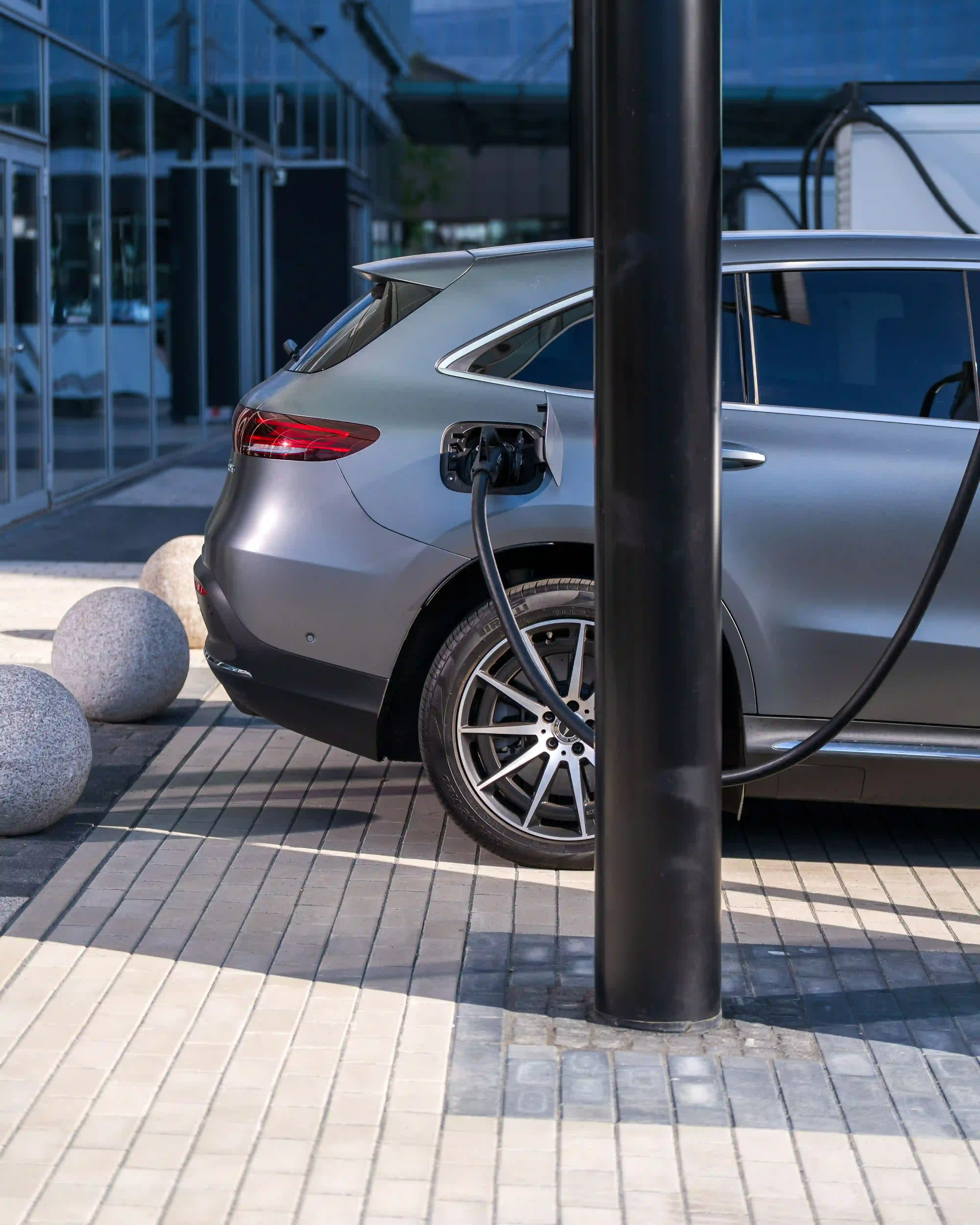
India's Plug-in Hybrids Are Sold as Green Cars. Some Never Get Plugged In.
India's plug-in hybrids carry green credentials on paper. Some owners never plug them in at all. The fuel economy gap tells the real story.
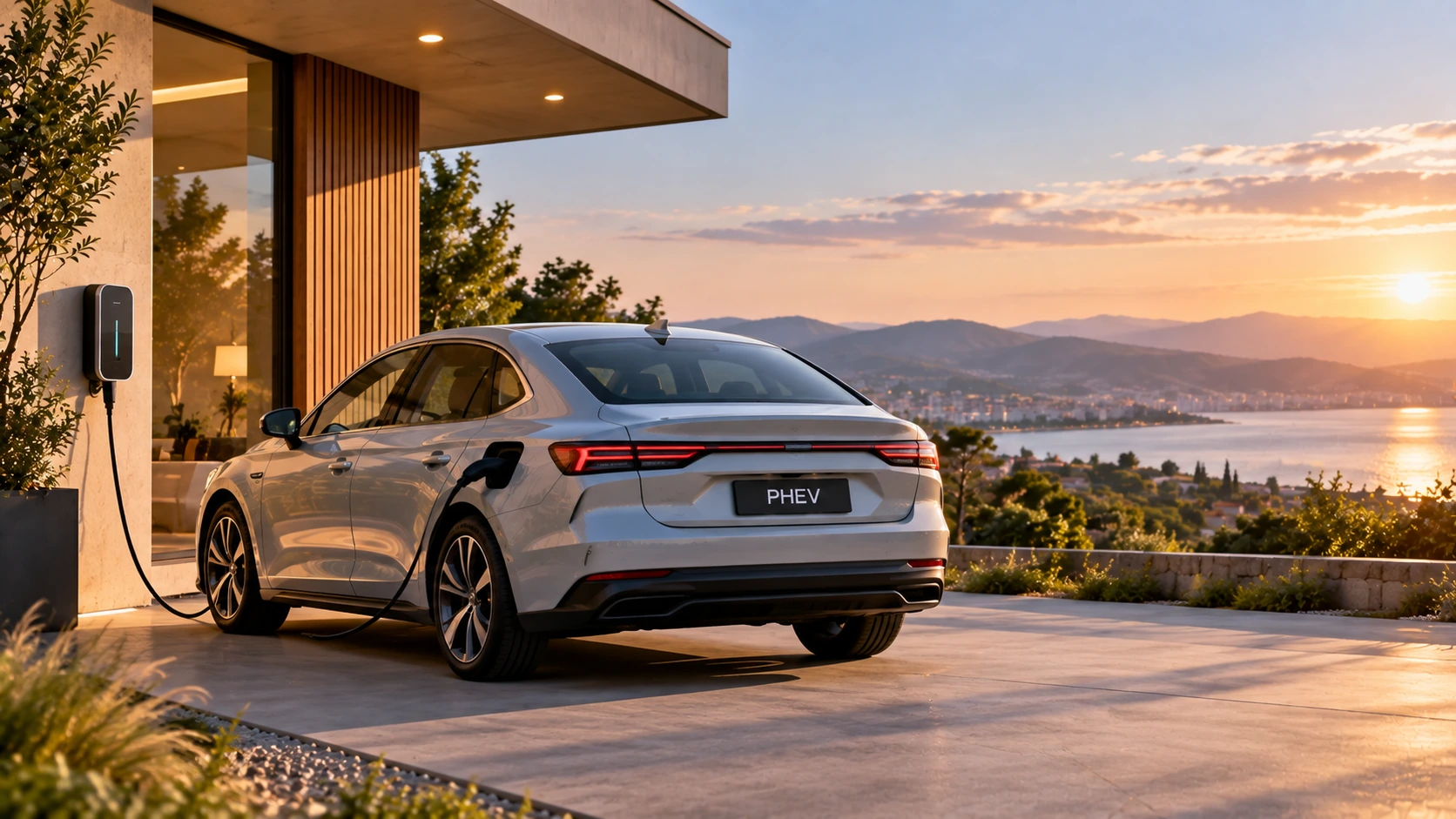
Brussels Just Removed 80% of Companies From the PHEV Fleet Rule Everyone Warned About
Fleet managers were warned that unmanaged PHEV charging behavior created Corporate Sustainability Reporting Directive exposure. A March 2026 EU reform raised the compliance threshold so high that most Italian corporate fleets no longer carry that specific risk at all.
Eight verticals. Pick your starting point.
Each vertical maintains its own analyst lead, refresh cadence and methodology spine.