Market research insights from our research desk.
Long-form analysis, sector briefings and methodology notes built on validated data, primary interviews and traceable sources — reviewed by a sector lead before it ships.
01 / Insights — page 4
57 insights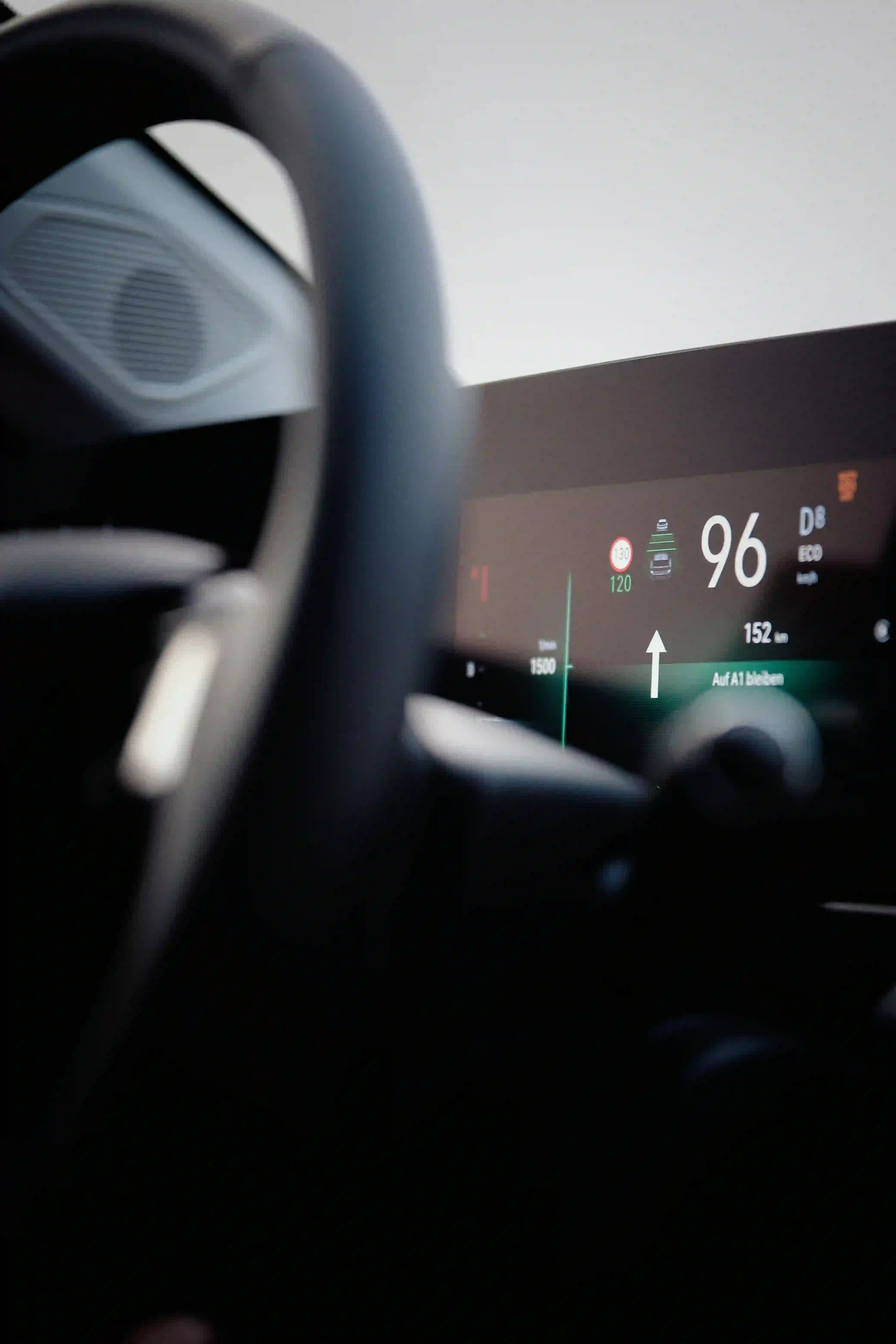
A $20 Million Business Just Cost General Motors Far More Than $20 Million
General Motors ran a side business selling driver data. The business made $20 million over four years. Cleaning up after it is costing far more than that.
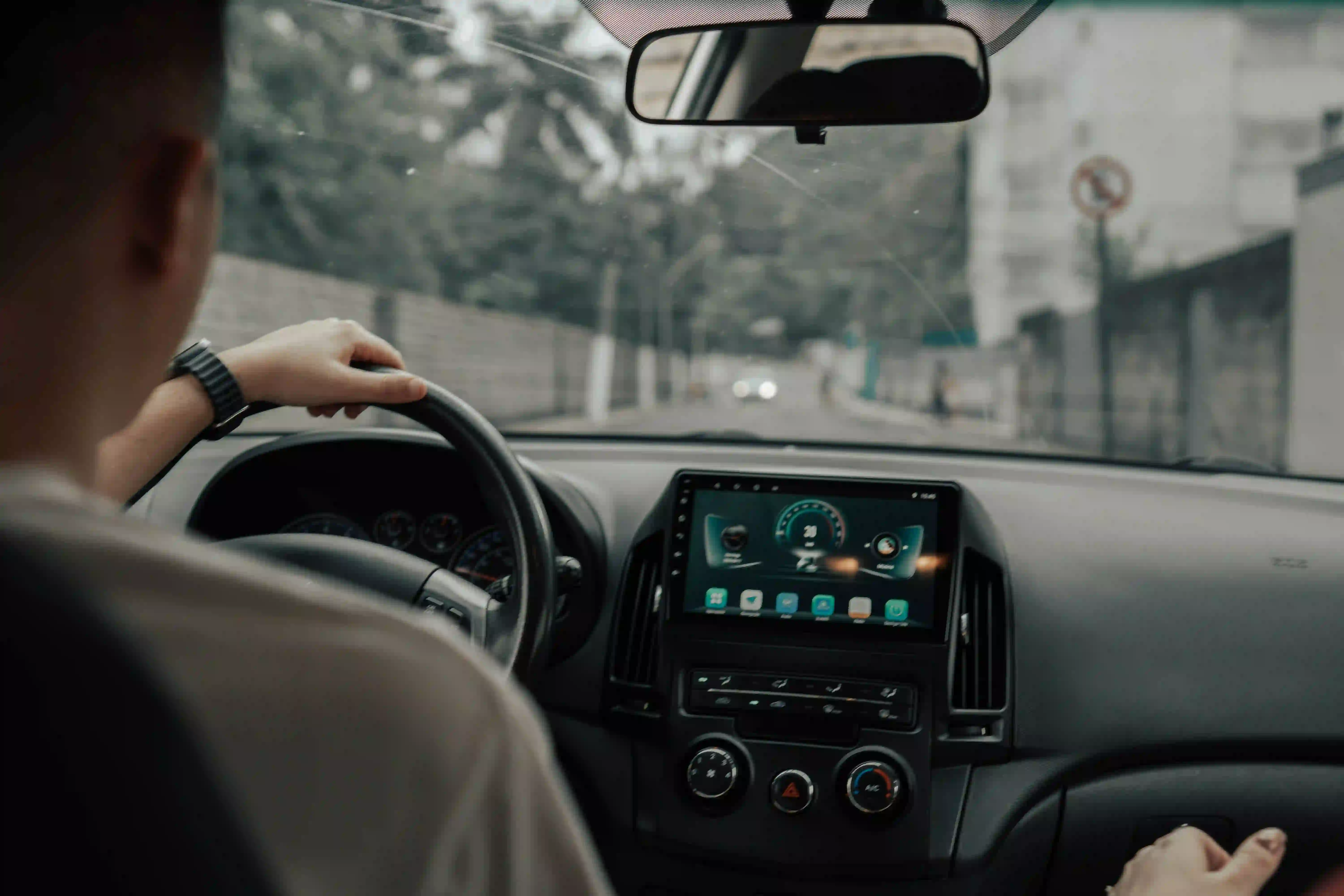
China's Car Data Law Doesn't Ask for Consent. It Dictates Where the Computer Sits.
Western privacy laws ask companies to get consent. China's automotive data law skips that question entirely and dictates where the processor physically has to be.

Europe Just Passed a Law That Its Own Car Industry Wasn't Built to Follow
One law says third parties get fair access to your car's data. Most cars were built to send that data somewhere else first: straight to the manufacturer.

Two Companies Made $14 Million Combined. One Automaker Alone Wants $20 Billion.
Two companies tried to build a business selling access to car data. Combined, they made $14 million before failing. One automaker wants $20 billion from the same idea.

The EU's 2027 EV Charger Mandate Has a Testing Problem Nobody Can Fix Yet
You can't certify a charger against a test that hasn't been published. That's the quiet problem sitting underneath Europe's 2027 bidirectional charging deadline.
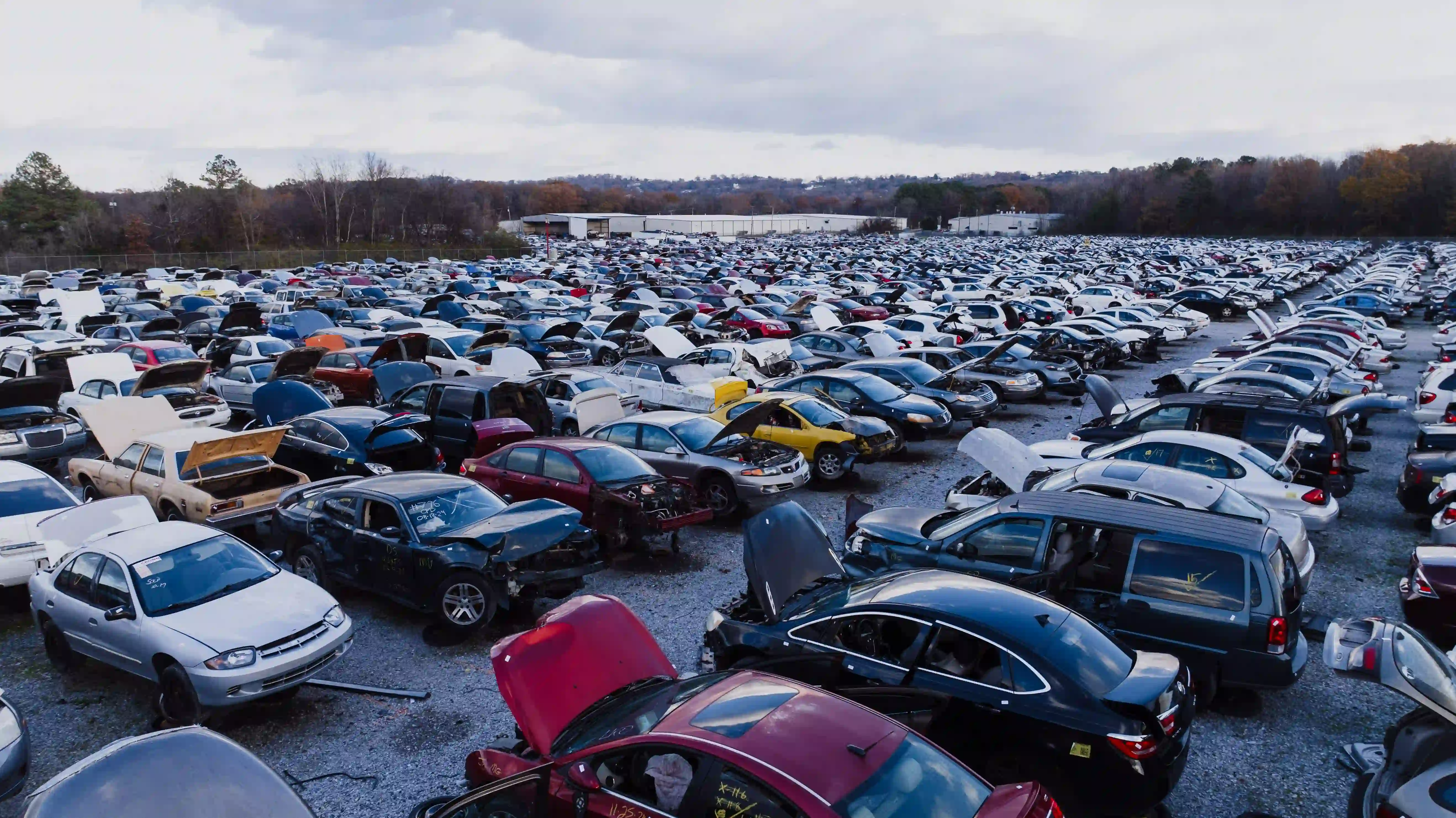
China Just Tied Car Deregistration to Battery Serial Numbers
An estimated 80% of China's retired EV batteries were disappearing into unlicensed workshops. One new rule ties a car's paperwork to its battery's ID.

Why Utility-Scale Second-Life Storage Never Bothers Opening the Battery Pack
DIY builders spend hours pulling packs apart module by module. The biggest industrial players in this space have figured out you don't have to.
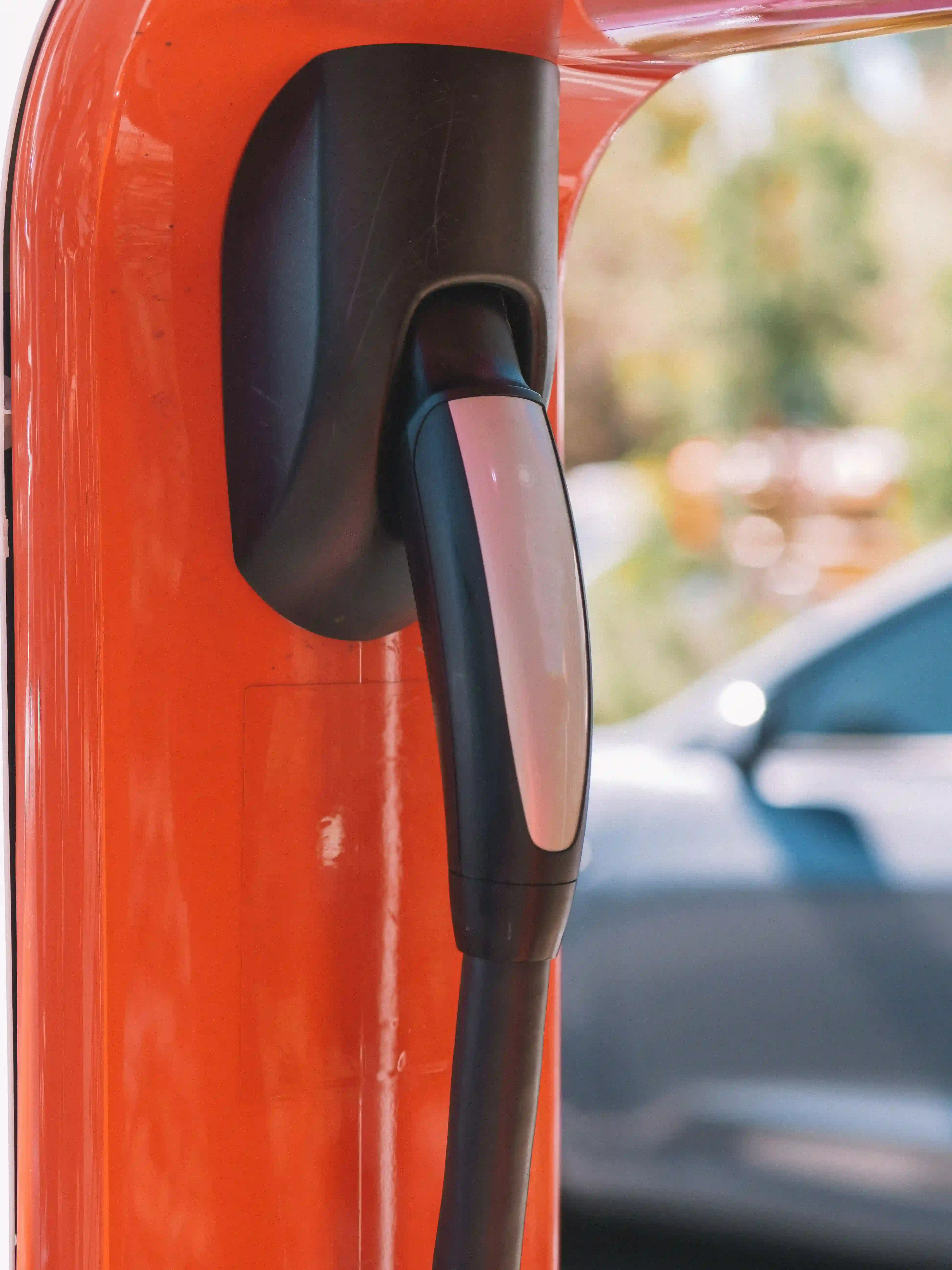
Thailand Is About to Tax the Exact Thing That Doubled Its PHEV Market
Thailand's plug-in hybrid market doubled last year. The government is now moving to tax the exact loophole that made it happen. Both things are true at once.

Spain's Best-Selling Plug-in Hybrid Doesn't Qualify for Spain's Own PHEV Subsidy
Spain's most popular plug-in hybrid doesn't qualify for a single euro of government subsidy. Something else entirely is selling these cars.
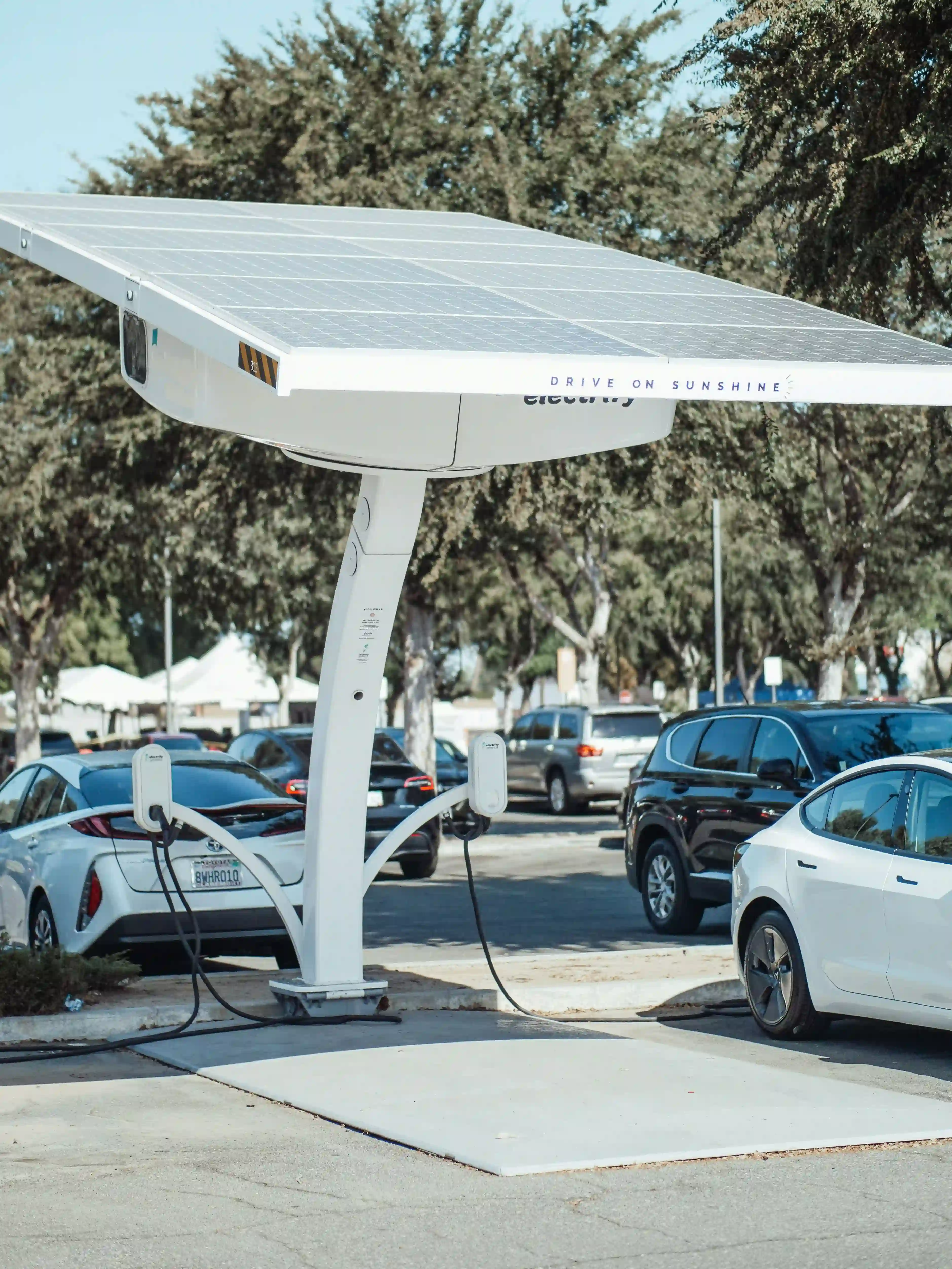
A Third of Poland's New PHEVs Were Never Actually New
New PHEV registration figures only tell part of Poland's story. A third of the market's actual growth came from somewhere else entirely.
Eight verticals. Pick your starting point.
Each vertical maintains its own analyst lead, refresh cadence and methodology spine.