Market research insights from our research desk.
Long-form analysis, sector briefings and methodology notes built on validated data, primary interviews and traceable sources — reviewed by a sector lead before it ships.
01 / Insights — page 10
155 insights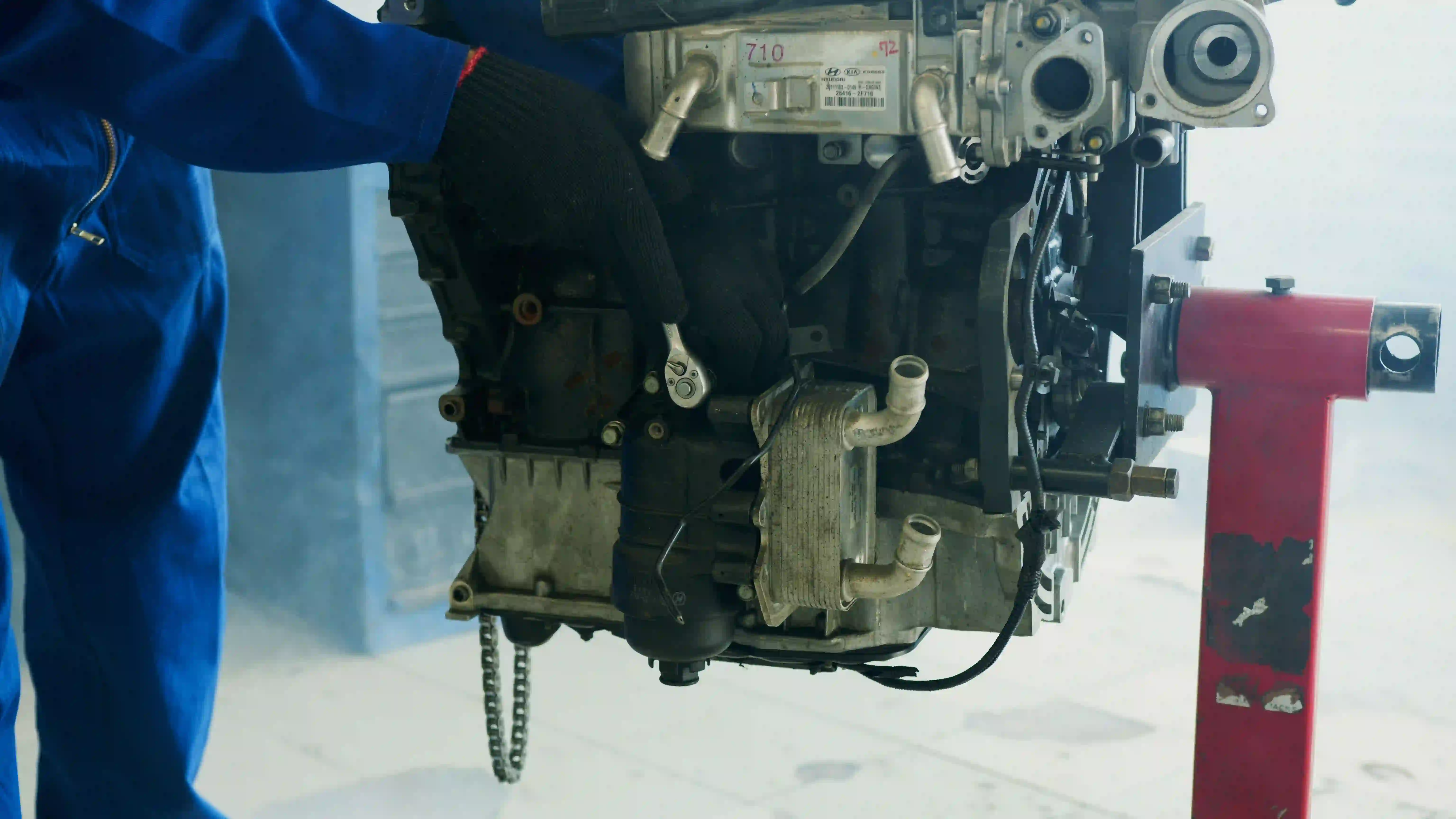
Île-de-France's EV Numbers Look Huge. A Third of Them Are Somewhere Else.
A region's EV numbers look dominant on paper. The real story is more spread out than the registration data suggests. Marqstats explains the leasing quirk behind it.
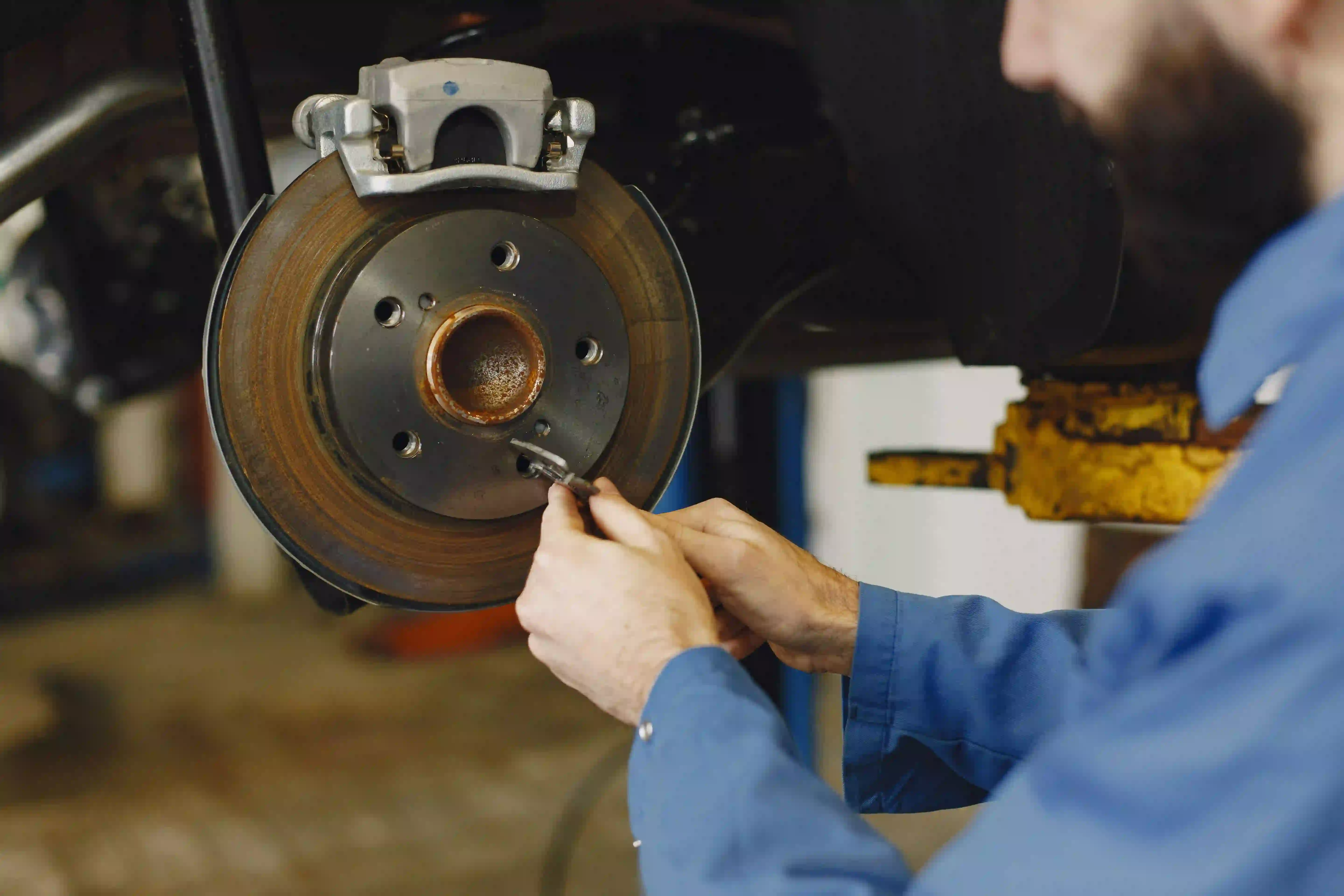
3% of Brazil's Vehicles Are Trucks. They Drink More Than a Third of the Oil.
Heavy trucks are just 3.4% of Brazil's vehicles but drink more than a third of all lubricant volume. Here's the math behind that outsized share.

Brazil Skipped the Electric Car Race. Its Engine Oil Is Paying the Price.
Brazil isn't chasing pure electric cars. It's building hybrids that run on sugarcane ethanol. That choice makes engine oil chemistry harder, not simpler.
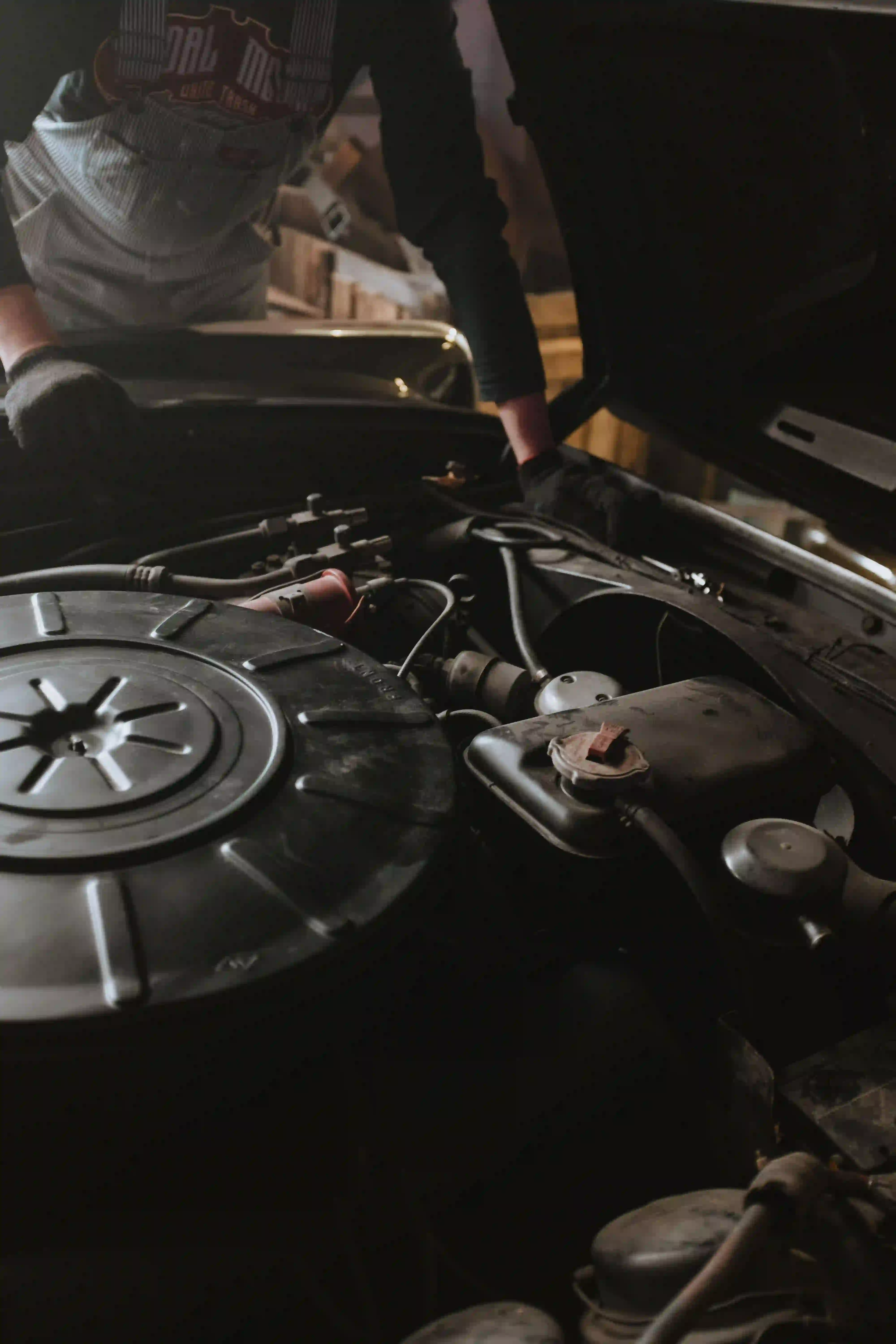
Brazil's Refineries Can't Make the Oil Brazil's Own Cars Actually Need
Brazil's own refineries make outdated base oil. Modern engines need something else entirely. That mismatch forces nearly half the supply to be imported.
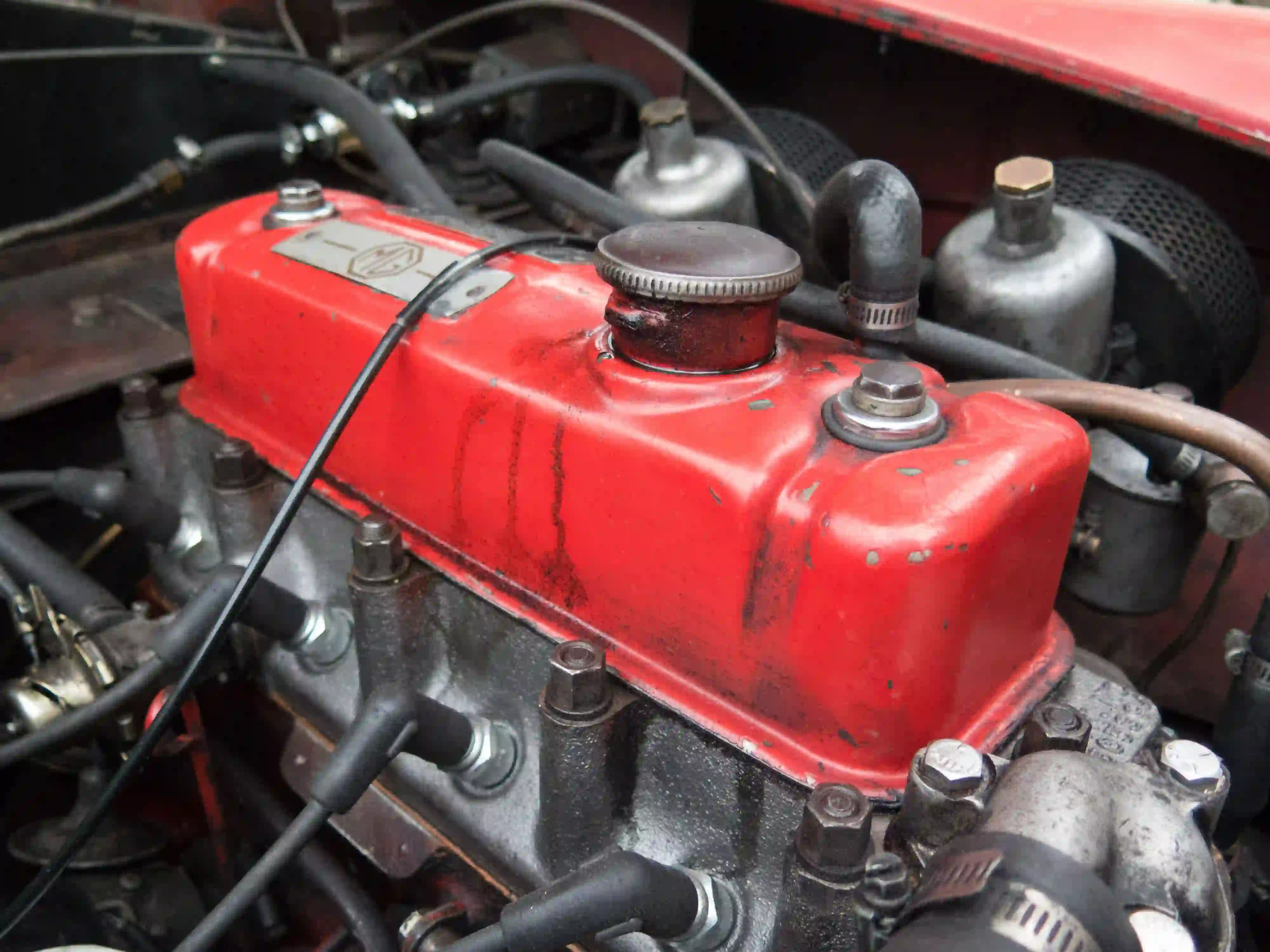
Germany's Weird Oil-Selling Rule: Sell One Liter, Take One Liter Back
Germany requires anyone who sells lubricant to take back the same amount of used oil. It's a big part of why DIY oil changes barely exist there.
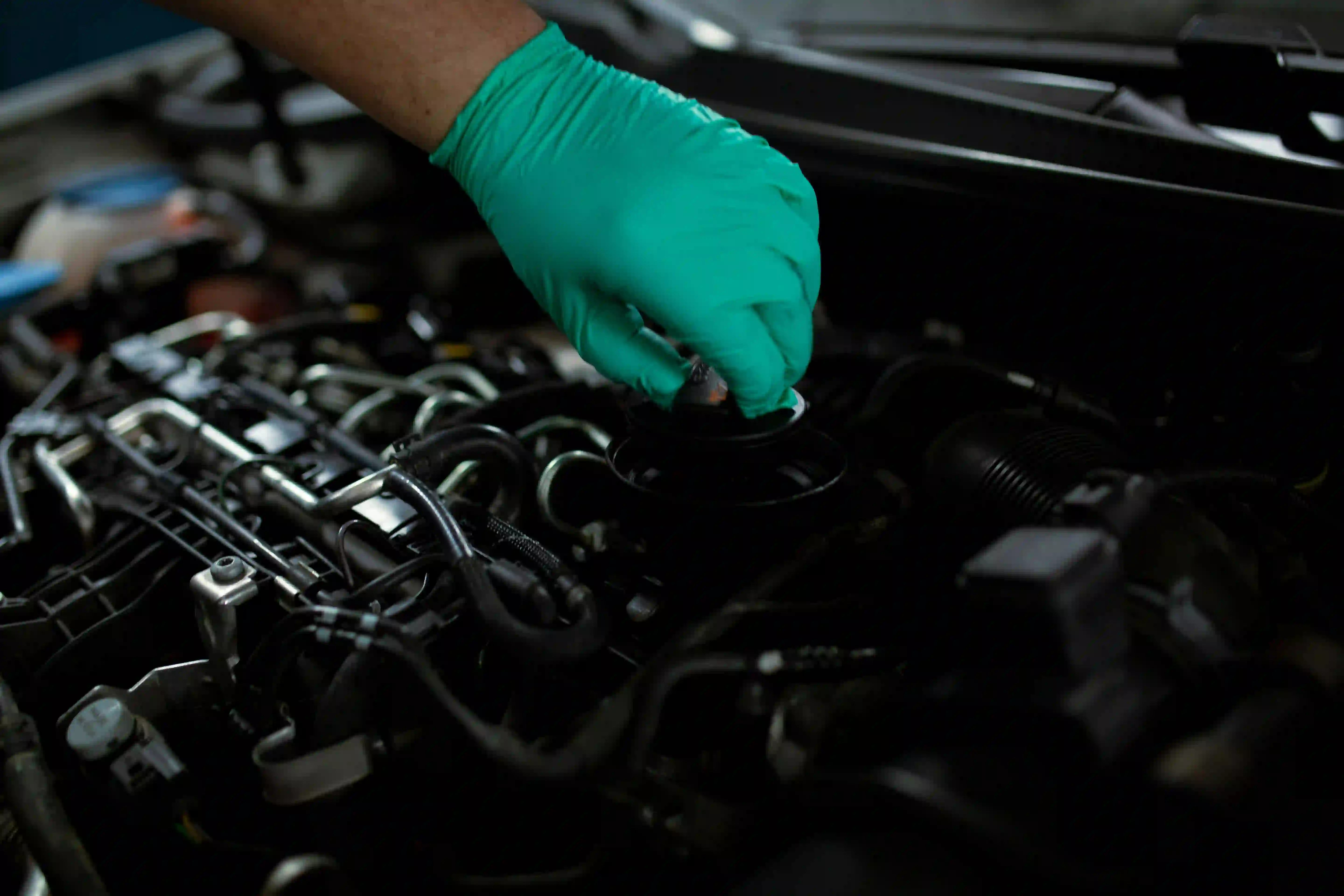
The National Market Is Shrinking. One German Oil Brand Just Grew 8% Anyway.
Germany's lubricant market is shrinking. LIQUI MOLY just posted 8% revenue growth and record production anyway. Here's exactly how that happened.
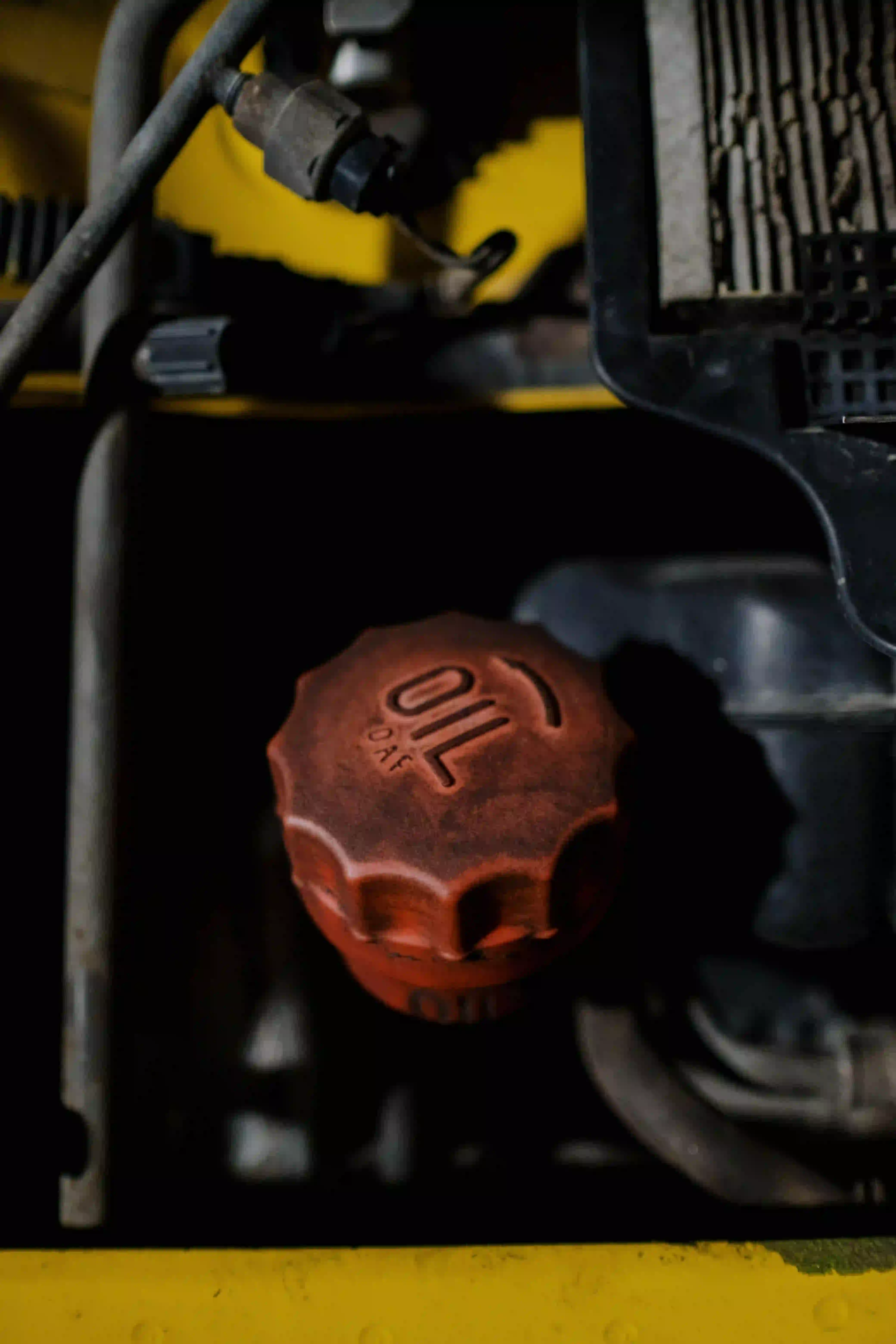
Germany's Cars Are Selling Less Oil. The Market Is Making More Money Anyway.
German lubricant volume is shrinking as EVs spread. Market value keeps growing anyway. An aging fleet and pricier oil are quietly offsetting the loss.
One Energy Giant Just Absorbed ExxonMobil's Old Japan Lubricants Business
ENEOS just formally absorbed EMG Lubricants, the old ExxonMobil business, into direct corporate control. Here's what that means for Japan's market.
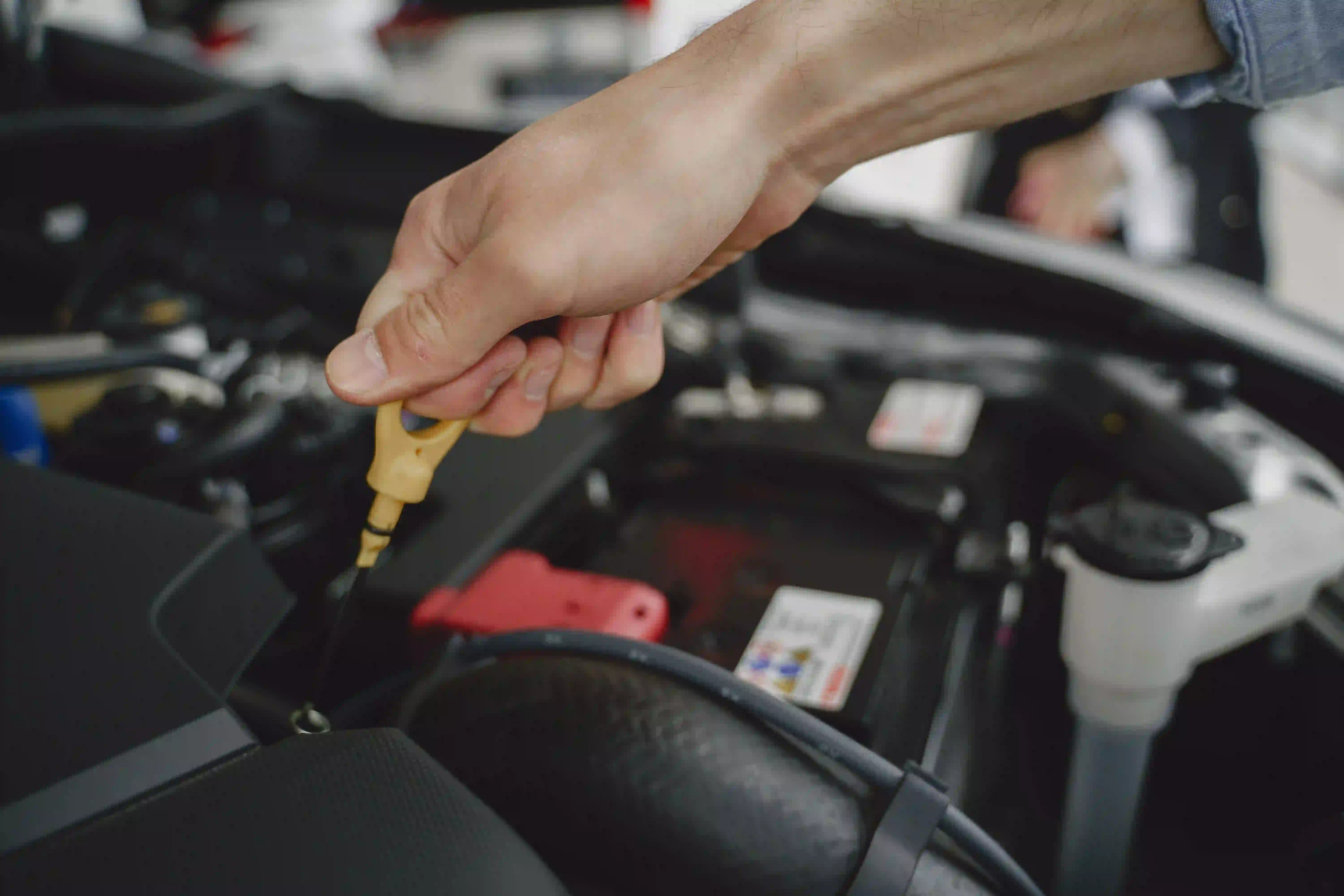
Japan's Tiniest Cars Need Oil Changes Every 2,500 Kilometers
Kei cars are a third of Japan's fleet. Their tiny turbocharged engines need oil changed as often as every 2,500 km. Here's why that actually matters.
Japan Skipped the Electric Car Race. Its Engine Oil Got More Valuable Instead.
Japan's EVs stayed under 2% of the fleet while hybrids took over instead. That choice is making engine oil more valuable, not less.
Eleven automotive verticals. Pick your starting point.
Each vertical maintains its own analyst lead, refresh cadence and methodology spine.