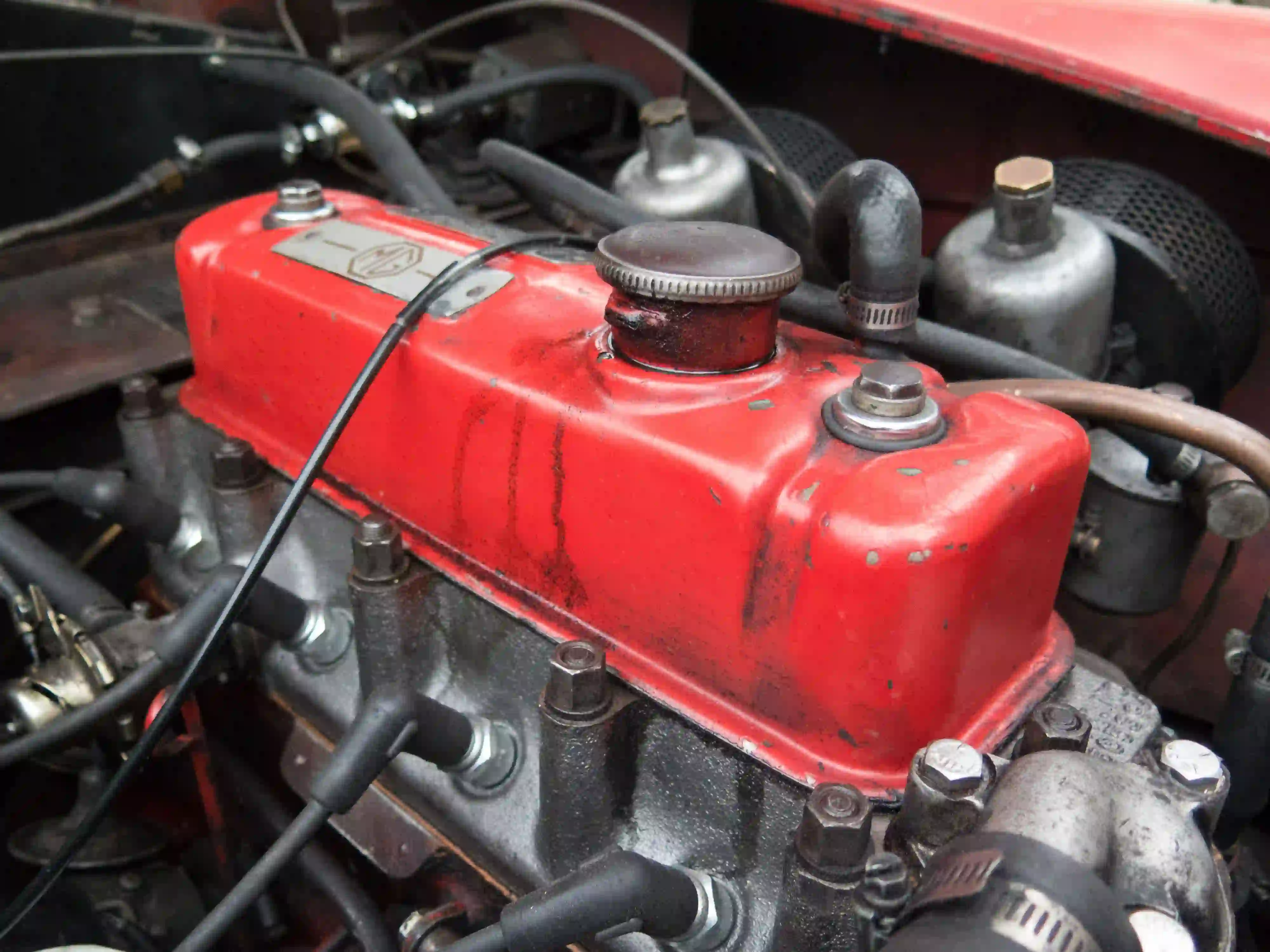
Sell a liter of oil in Germany, and you're legally required to take a liter back
Germany has a genuinely distinctive rule governing how lubricants get sold at retail, and it's a big part of why German car owners almost never change their own oil at home the way drivers in some other countries do.
What the rule actually requires
Under the Altölverordnung, Germany's Waste Oil Ordinance, any physical vendor selling lubricating oil is legally obligated to accept used oil back from end consumers, up to the exact volume the vendor sold them. Buy five liters of engine oil from a retailer, and that retailer must be prepared to take back up to five liters of your used oil when you're done with it. This isn't a voluntary sustainability initiative, it's a binding statutory requirement.
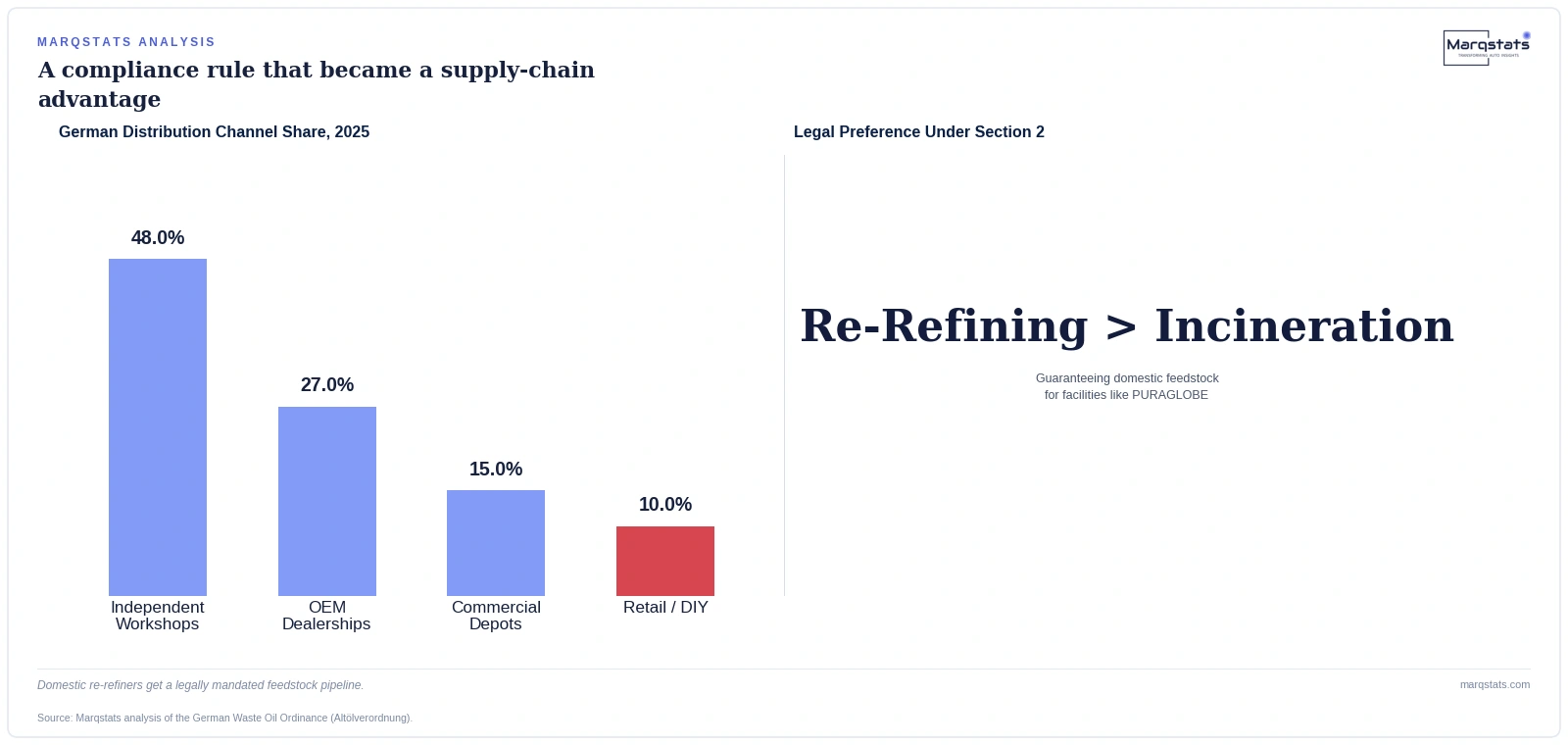
You can't just sell the oil in Germany. You have to be ready to take it back too.
— Marqstats Analyst Team
Why this genuinely limits the DIY channel
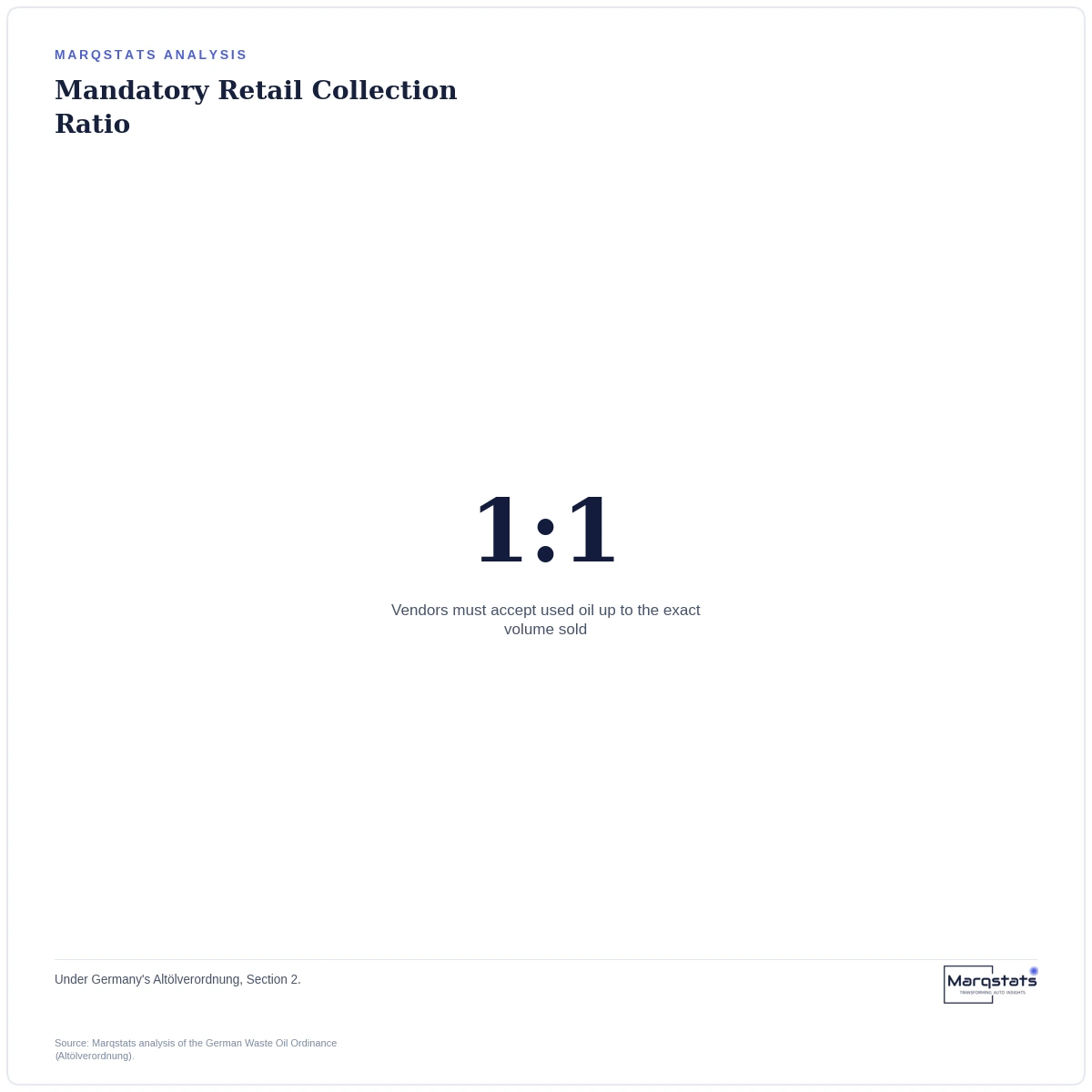
This requirement creates real operational friction specifically for retail channels not built around proper waste handling infrastructure. A hardware store or online retailer selling oil in small containers has to establish genuine collection logistics, appropriate storage, transport arrangements, waste categorization documentation, before it can legally sell lubricant to individual consumers at all. That's a meaningfully higher compliance bar than simply stocking product on a shelf, and it's a direct part of why Do-It-Yourself retail, spanning auto parts chains, DIY hypermarkets and e-commerce platforms, captures just 9.98% of Germany's aftermarket volume, the smallest of the four major distribution channels.
Why the rule exists in the first place
The underlying policy logic reflects a deliberate environmental choice codified specifically in Section 2 of the Altölverordnung: a statutory preference for material re-refining over energetic incineration. Rather than simply burning collected used oil for its energy content, a comparatively low-value disposal method, German policy actively channels used lubricant back into circular re-refining infrastructure that converts it into virgin-equivalent base oil, a considerably higher-value outcome both environmentally and commercially.
Why this creates a genuine commercial advantage for domestic re-refiners
This regulatory structure isn't merely a compliance burden, it's a genuine commercial opportunity for companies positioned correctly. Facilities equipped with advanced catalytic hydroprocessing technology to produce virgin-equivalent API Group III base oils, exemplified by PURAGLOBE's operation in Zeitz, hold a distinct structural advantage: the statutory 1:1 collection mandate guarantees a steady, legally mandated domestic feedstock supply that comparable facilities in less regulated markets simply don't have access to on the same reliable basis. Companies like AVISTA OIL, which build nationwide used oil collection networks specifically to serve this pipeline, are directly monetizing infrastructure the regulation itself makes commercially necessary.
The counter-argument: does this mandate mostly just protect established domestic players from new competition?
A fair objection is that a mandatory 1:1 collection requirement, layered on top of already-established domestic brand recognition and OEM approval architectures, could function less as genuine environmental policy and more as a practical barrier protecting incumbent German retailers and blenders from new market entrants who lack existing reverse-logistics infrastructure. This is a reasonable competitive concern worth taking seriously. What complicates a purely protectionist reading, though, is that the mandate applies uniformly to domestic incumbents and new entrants alike, existing German retailers had to build this same collection infrastructure themselves at some point, and the specific environmental outcome the rule targets, diverting used oil toward material re-refining rather than incineration, is a genuinely measurable, verifiable policy goal independent of any competitive protection effect it may also produce as a side consequence.
What this means for retailers and re-refiners
- Retailers considering entering the German lubricant retail market should budget for genuine reverse-logistics infrastructure, collection, storage and waste categorization compliance, as a core cost of market entry.
- Re-refining and circular economy investors should treat Germany's statutory collection mandate as a genuine structural advantage guaranteeing domestic feedstock security, distinct from less-regulated comparable markets.
- Market entrants without established reverse-logistics contracts should evaluate partnership agreements with existing collection networks like AVISTA OIL rather than attempting to build independent compliance infrastructure from scratch.
The full market picture
Marqstats' complete German automotive lubricants aftermarket analysis, including the full regulatory and circular economy landscape, is available in the linked report below.
Related reportGermany Automotive Lubricants Aftermarket Size, Share & Forecast 2026 – 2030