Market research insights from our research desk.
Long-form analysis, sector briefings and methodology notes built on validated data, primary interviews and traceable sources — reviewed by a sector lead before it ships.
01 / Insights — page 11
132 insights
China Just Approved Its First Level 3 Self-Driving Cars. Here's What It Actually Took.
Two automakers just crossed a line no one in China had crossed before. Getting there took more than just good software, it took a specific, verifiable process.
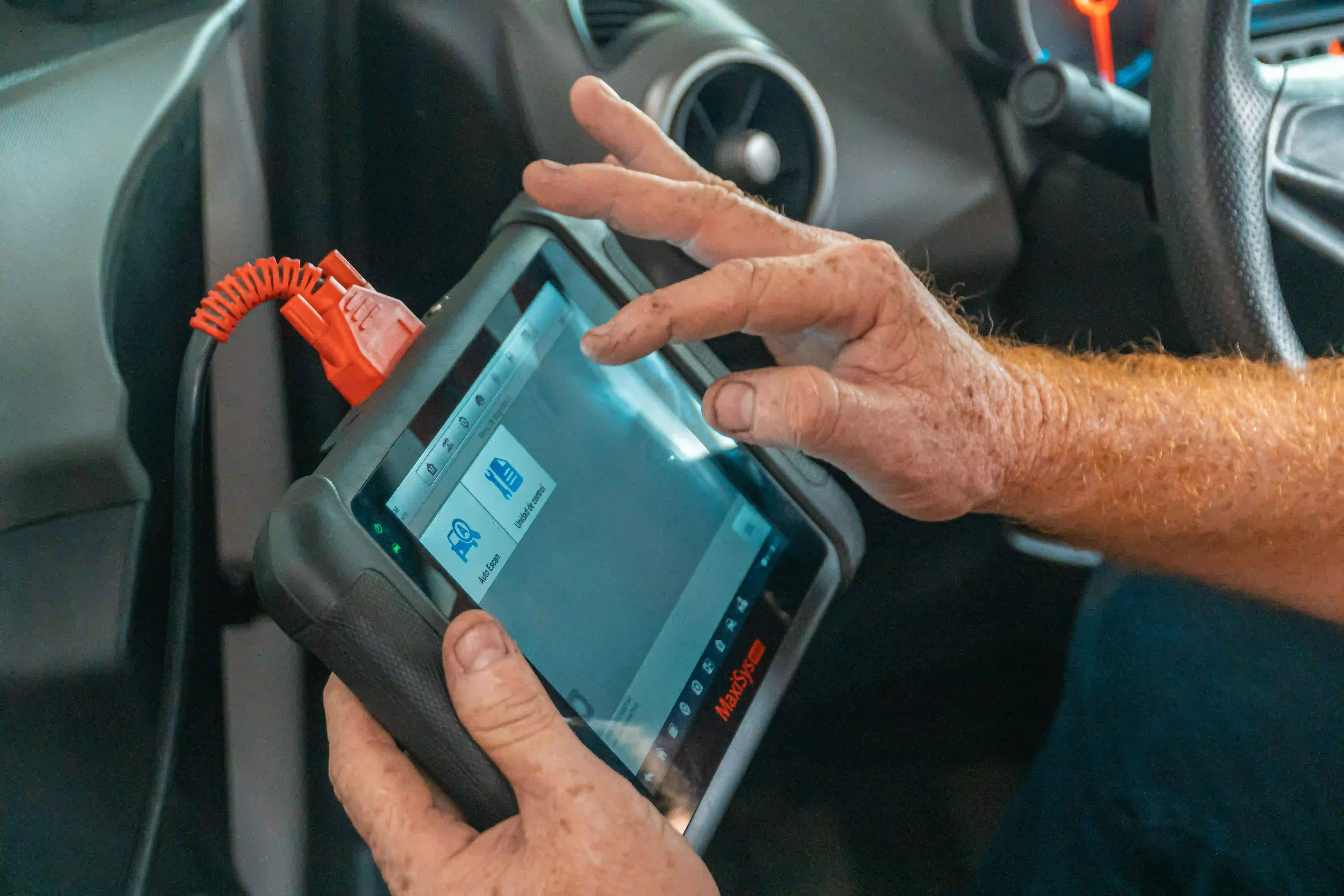
Three Deals, $47 Billion, and the End of the Standalone Simulation Vendor
Three companies. Three acquisitions. One shared bet: that the future of car engineering software belongs to whoever owns the whole stack, not just one piece of it.
Why One Simulation Startup Is Valued Almost Twice as Rich as Ansys Ever Was
Two companies, one industry, two wildly different price tags. The gap tells you exactly what investors think the future of car simulation looks like.
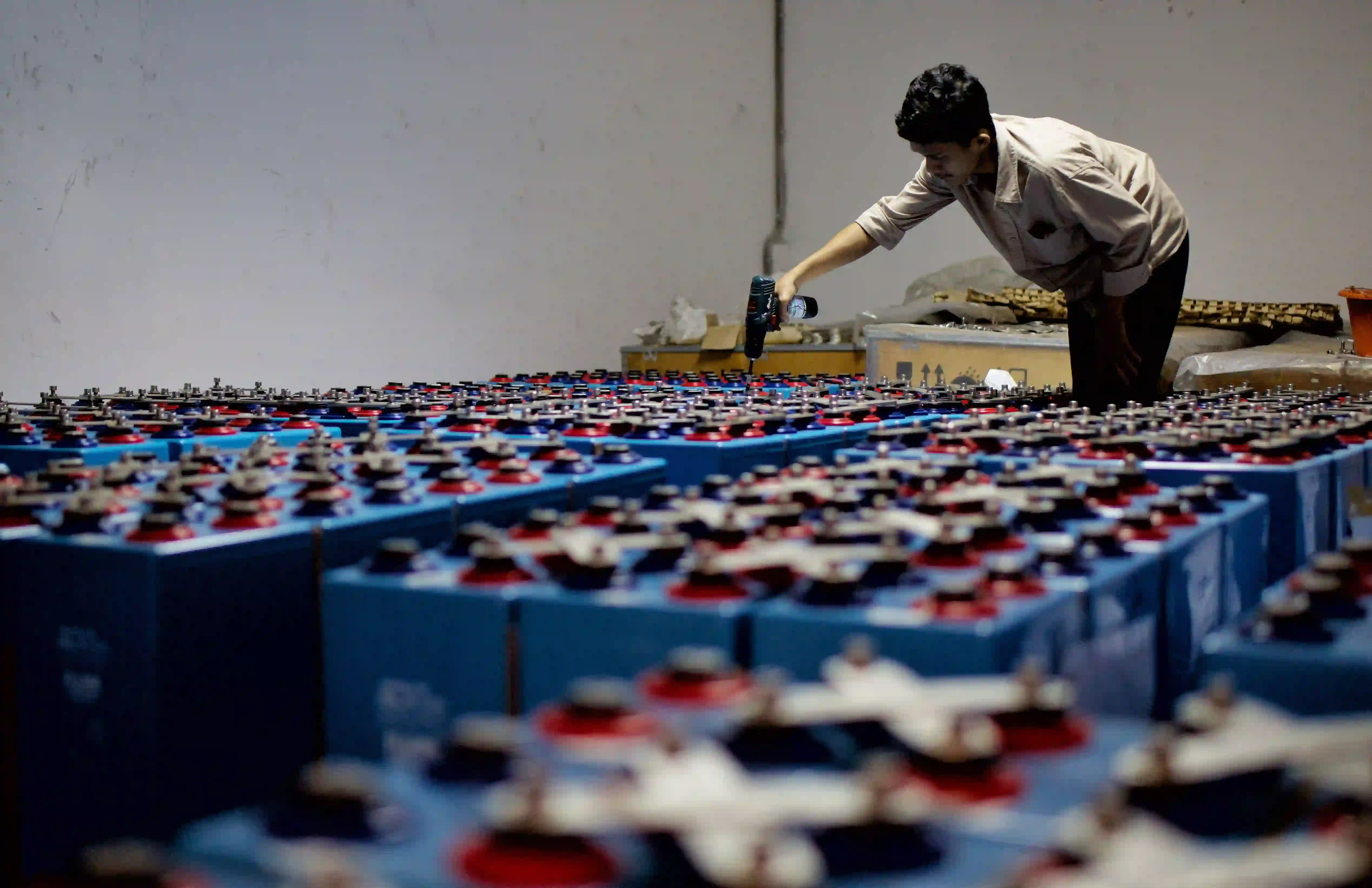
The Glue Holding Your EV Battery Together Might Also Be Locking You Out of Repair
A battery pack that's structurally bonded into the car can't just be pried open for repair. The glue itself is now the biggest obstacle to fixing it.

Congress Just Introduced a Bill That Could Replace 20 State Privacy Laws With One
Automakers currently navigate more than 20 different state privacy laws. A bill introduced in April 2026 would replace all of them with one federal standard.
A Chinese Supercomputer Cut Nine Months of AI Training Down to Half a Day
276 days of computing, compressed into 11 hours. It sounds like an exaggeration. It's a real number from a real facility, and here's how they got there.
Volkswagen's Software Unit Lost More Money Than It Made, Twice
Volkswagen built its own software company to control its car data. Two years running, that company lost more money than it made. Here's what went wrong.
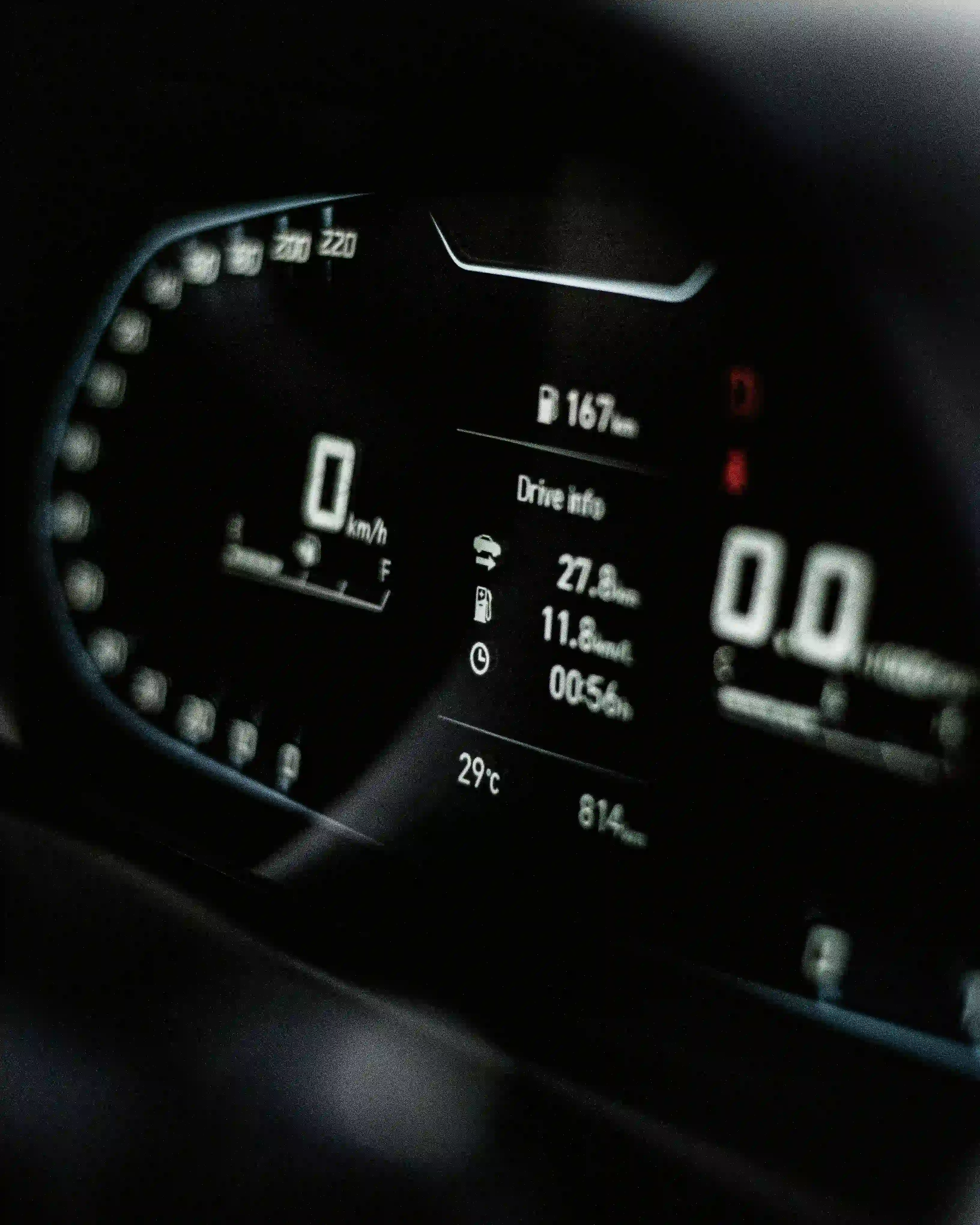
A Misconfigured Cloud Folder Exposed 800,000 Cars' Exact Parking Spots
Precise to within 10 centimeters. That's how accurately a misconfigured cloud folder revealed exactly where 800,000 electric vehicles had been parked.
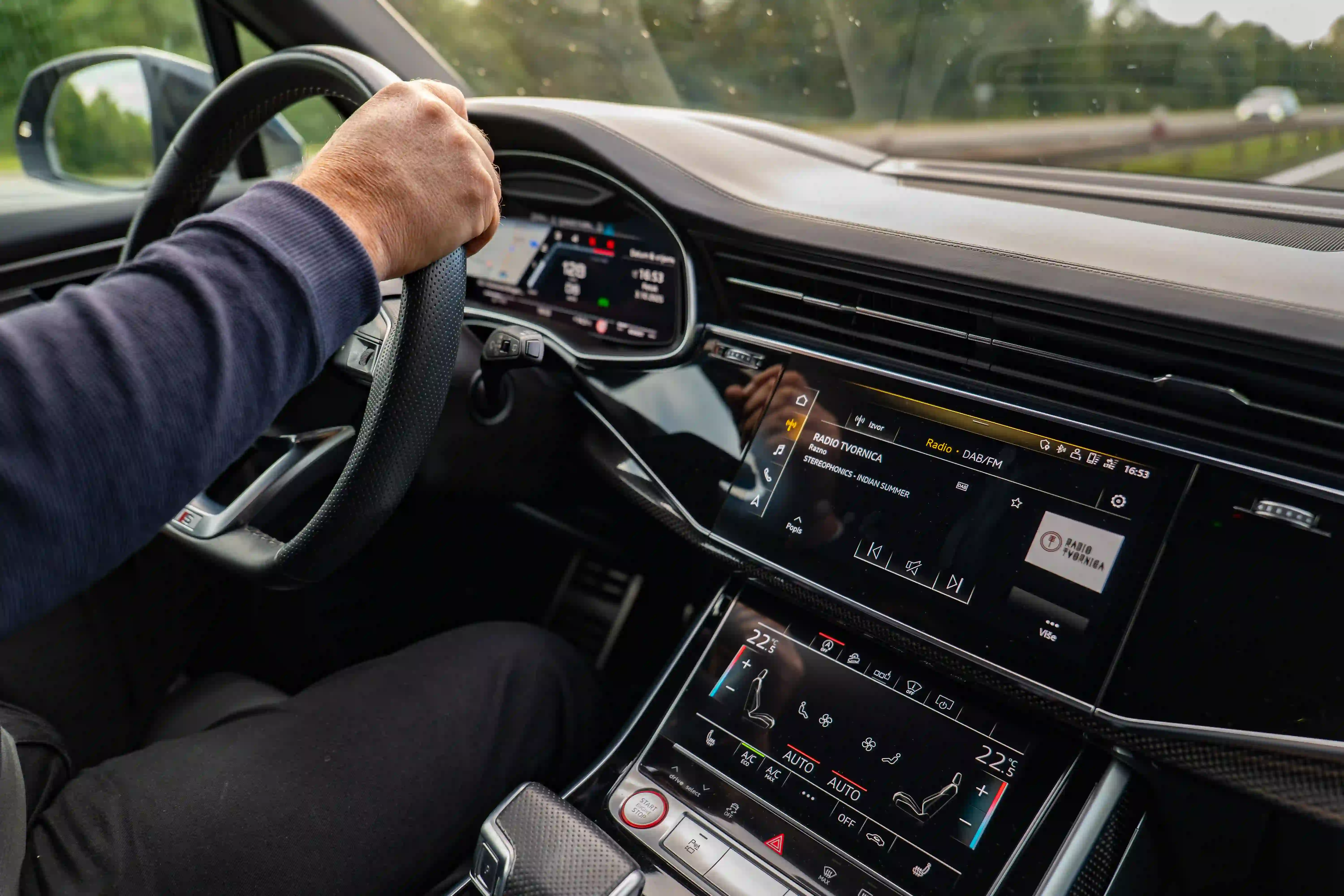
Why France Has Free V2G Charging and Germany Doesn't
One country solved a tax problem in a single regulatory clarification. Its neighbor still hasn't fixed the same problem three years later.
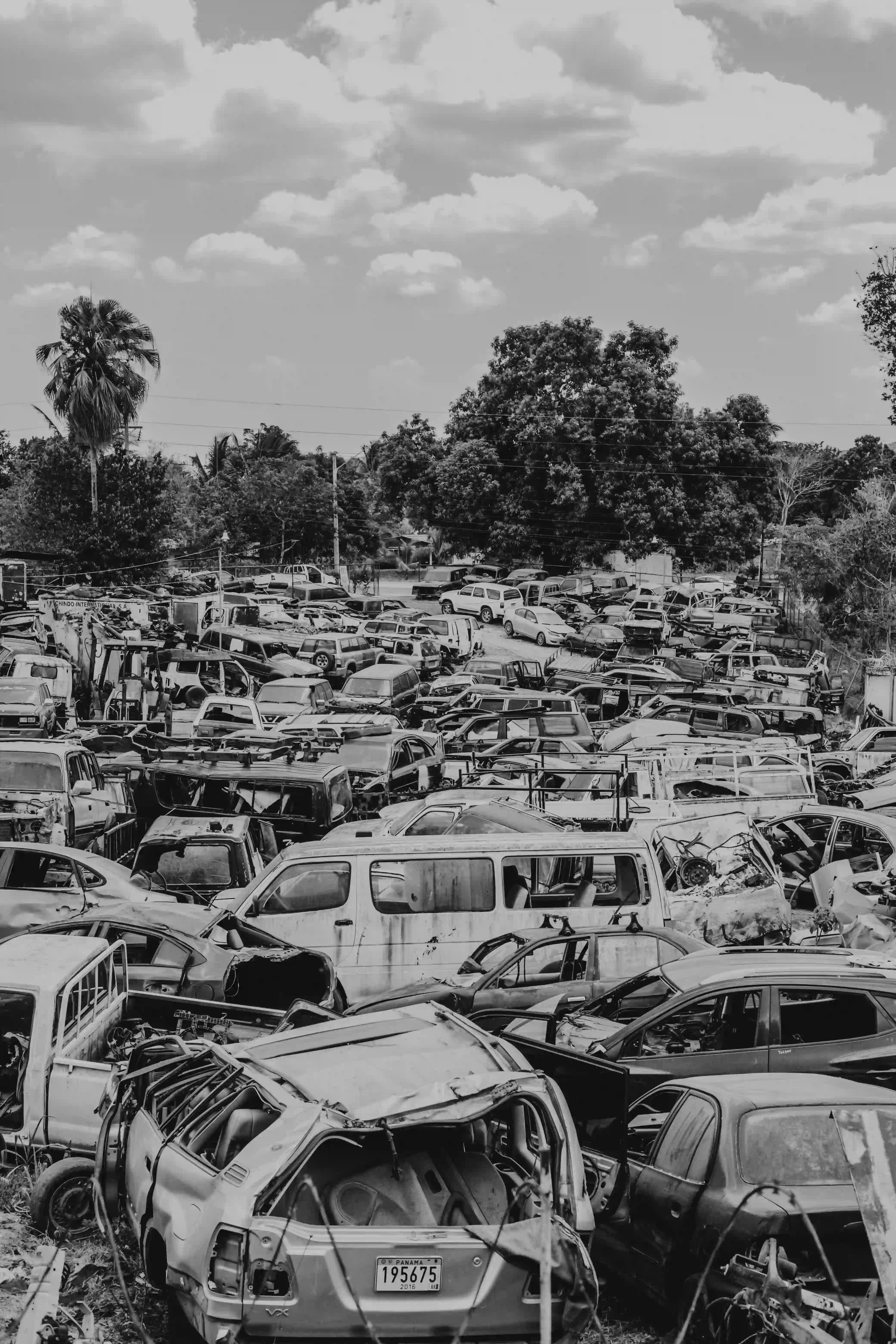
Some EV Batteries Now Cost Money to Throw Away
A battery chemistry that was supposed to be the cheap, safe choice has become something recyclers pay to avoid. Here's how that happened.
Eleven automotive verticals. Pick your starting point.
Each vertical maintains its own analyst lead, refresh cadence and methodology spine.