Market research insights from our research desk.
Long-form analysis, sector briefings and methodology notes built on validated data, primary interviews and traceable sources — reviewed by a sector lead before it ships.
01 / Insights — page 8
102 insights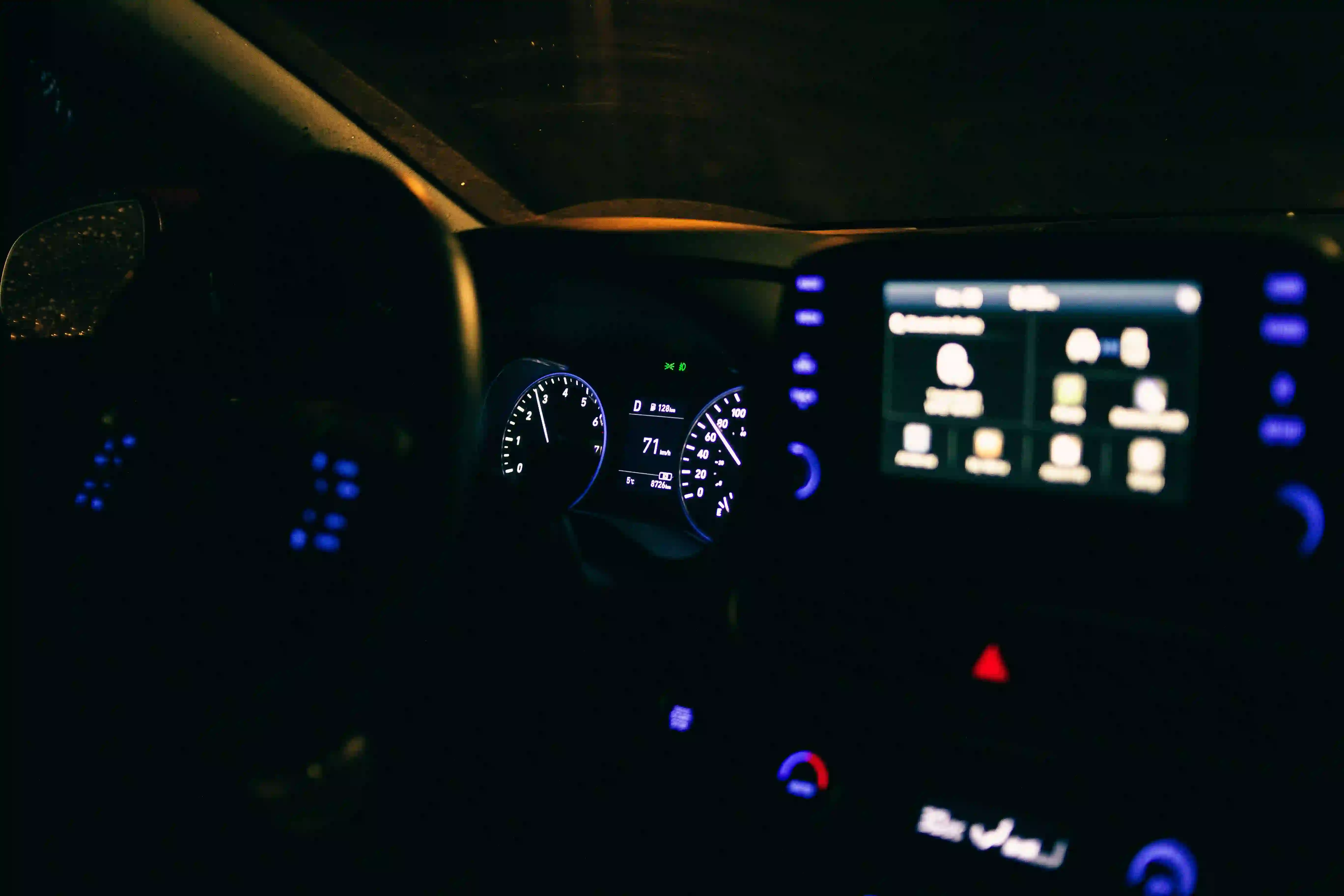
Validating One Self-Driving Car Would Take a Fleet 150 Years on Real Roads
To physically validate one self-driving car properly, you'd need 1,000 vehicles driving nonstop for a century and a half. That's the actual math behind why simulation won.
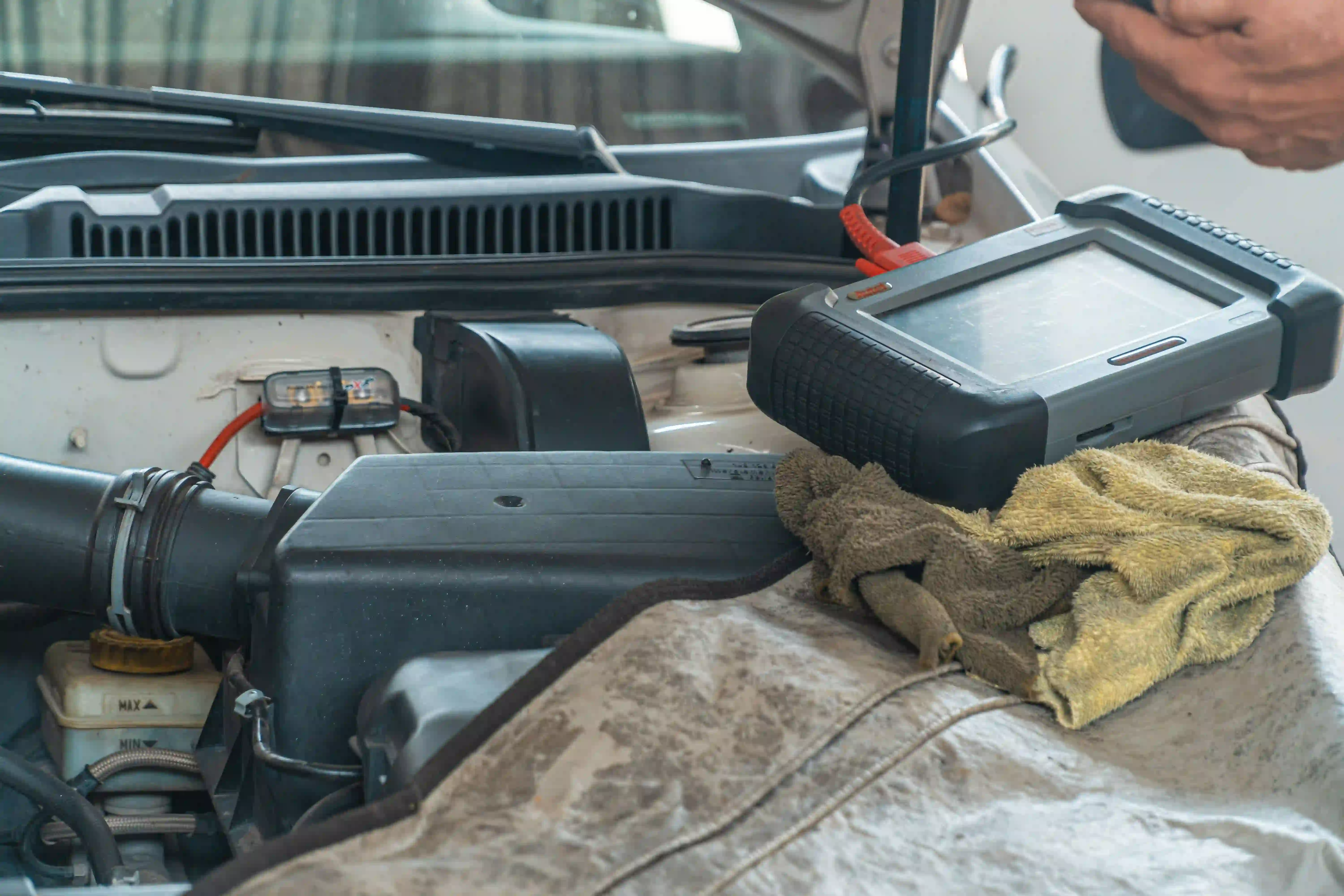
Porsche Killed Its Best-Selling Model Because Fixing It Cost Half a New Car
Porsche's own math: fixing the old car's wiring to meet a new EU law would cost about half of building an entirely new model. So they didn't fix it.
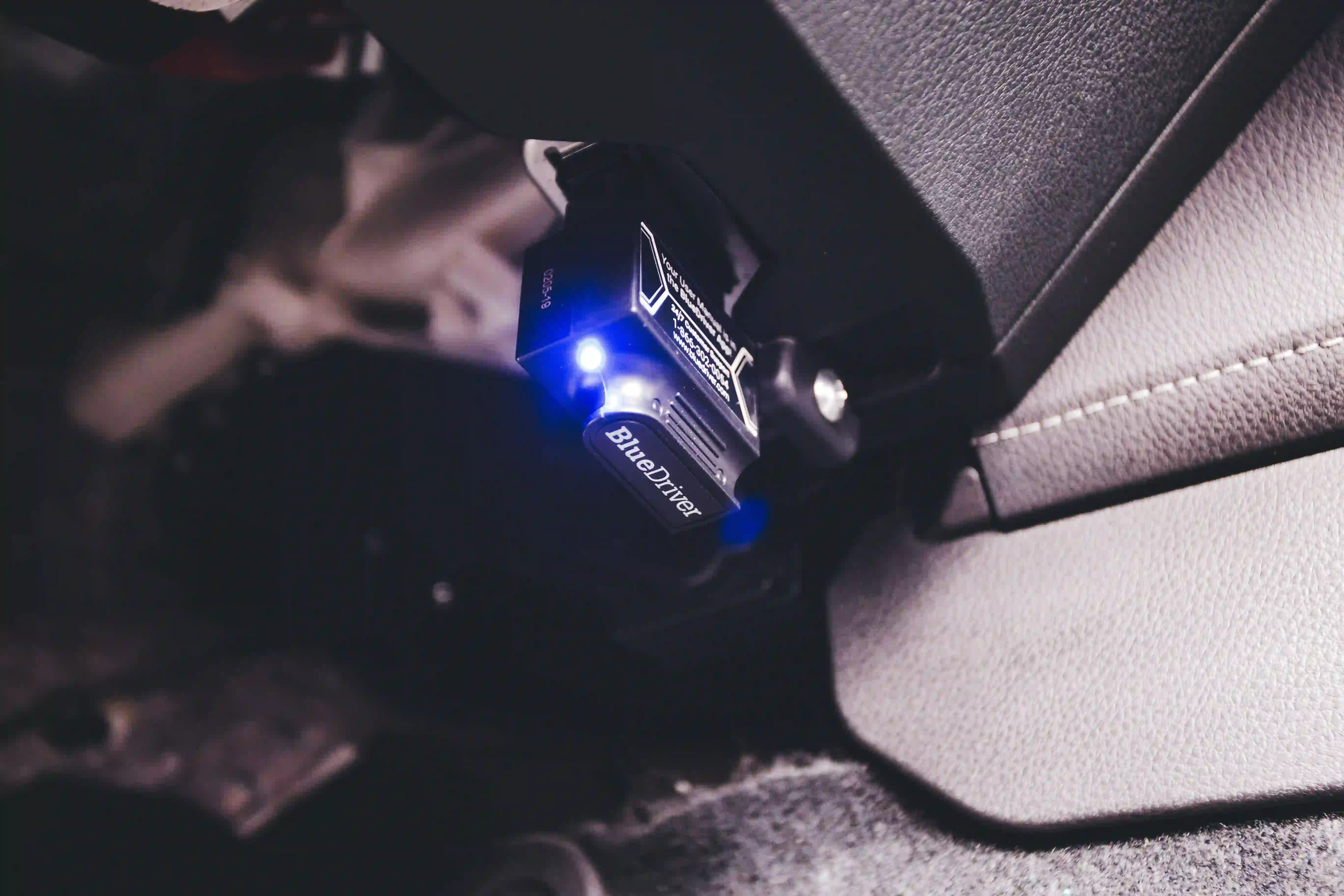
Regulators Said Simulation Counts as Proof. Almost No One Can Prove Their Simulation.
The rule says simulation counts as legal proof. Very few automakers can actually produce the documentation that makes their simulation count.
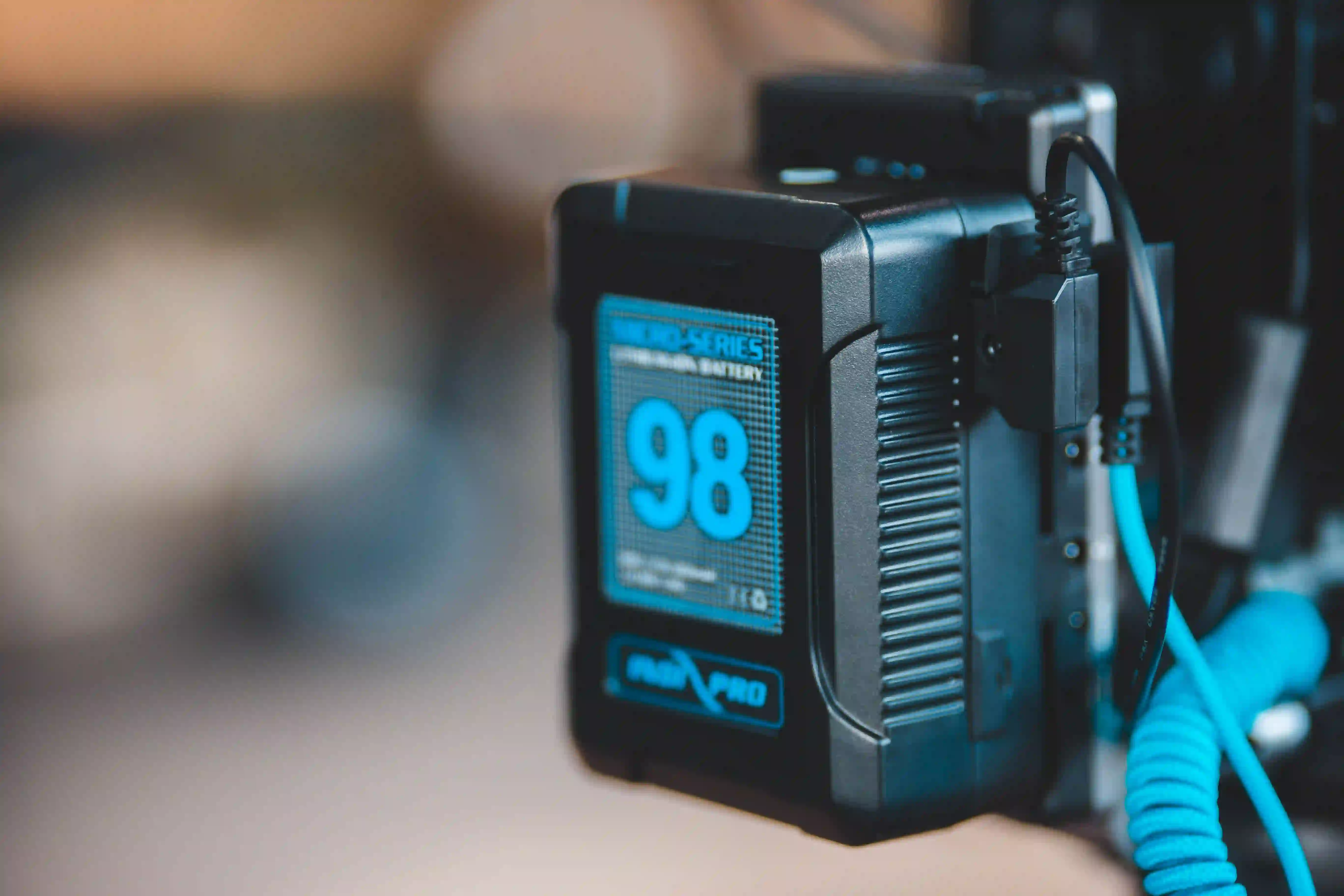
Two States Just Set the Legal Template for EV Battery Right to Repair
Voters approved it. Automakers sued to block it. A federal court upheld it anyway. Here's what Massachusetts and Maine's fight over car data means for EV battery repair.
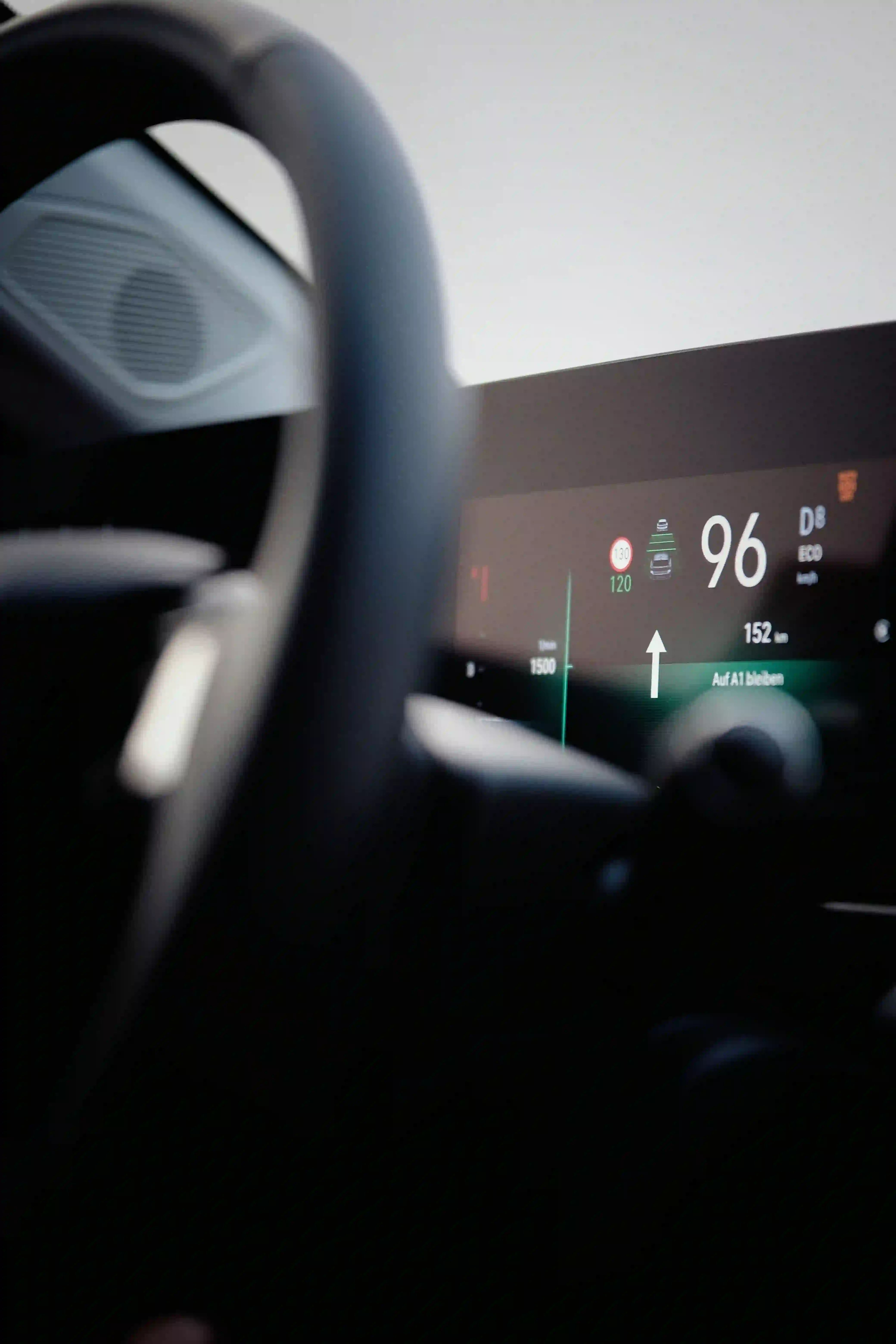
A $20 Million Business Just Cost General Motors Far More Than $20 Million
General Motors ran a side business selling driver data. The business made $20 million over four years. Cleaning up after it is costing far more than that.
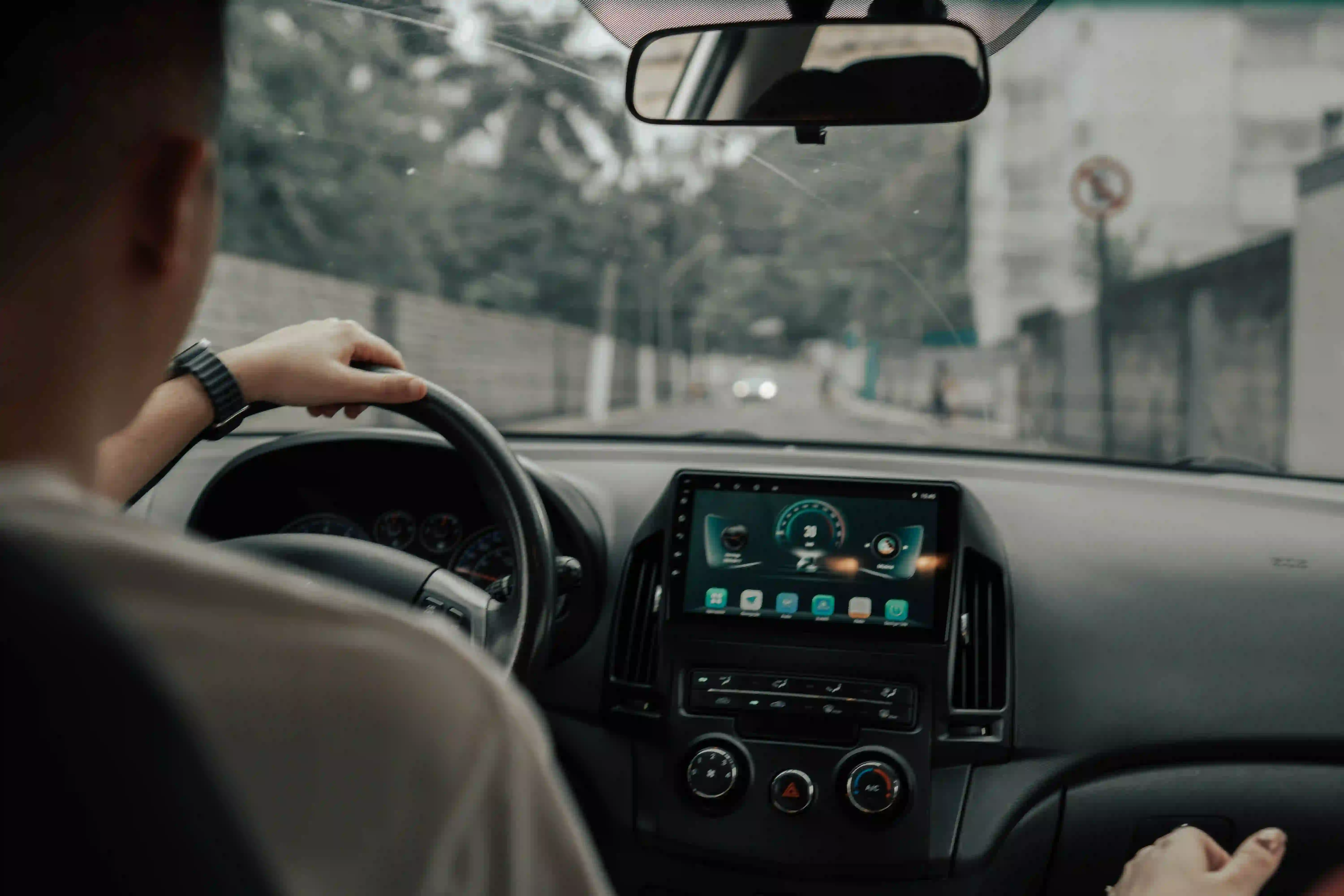
China's Car Data Law Doesn't Ask for Consent. It Dictates Where the Computer Sits.
Western privacy laws ask companies to get consent. China's automotive data law skips that question entirely and dictates where the processor physically has to be.

Europe Just Passed a Law That Its Own Car Industry Wasn't Built to Follow
One law says third parties get fair access to your car's data. Most cars were built to send that data somewhere else first: straight to the manufacturer.

Two Companies Made $14 Million Combined. One Automaker Alone Wants $20 Billion.
Two companies tried to build a business selling access to car data. Combined, they made $14 million before failing. One automaker wants $20 billion from the same idea.

The EU's 2027 EV Charger Mandate Has a Testing Problem Nobody Can Fix Yet
You can't certify a charger against a test that hasn't been published. That's the quiet problem sitting underneath Europe's 2027 bidirectional charging deadline.
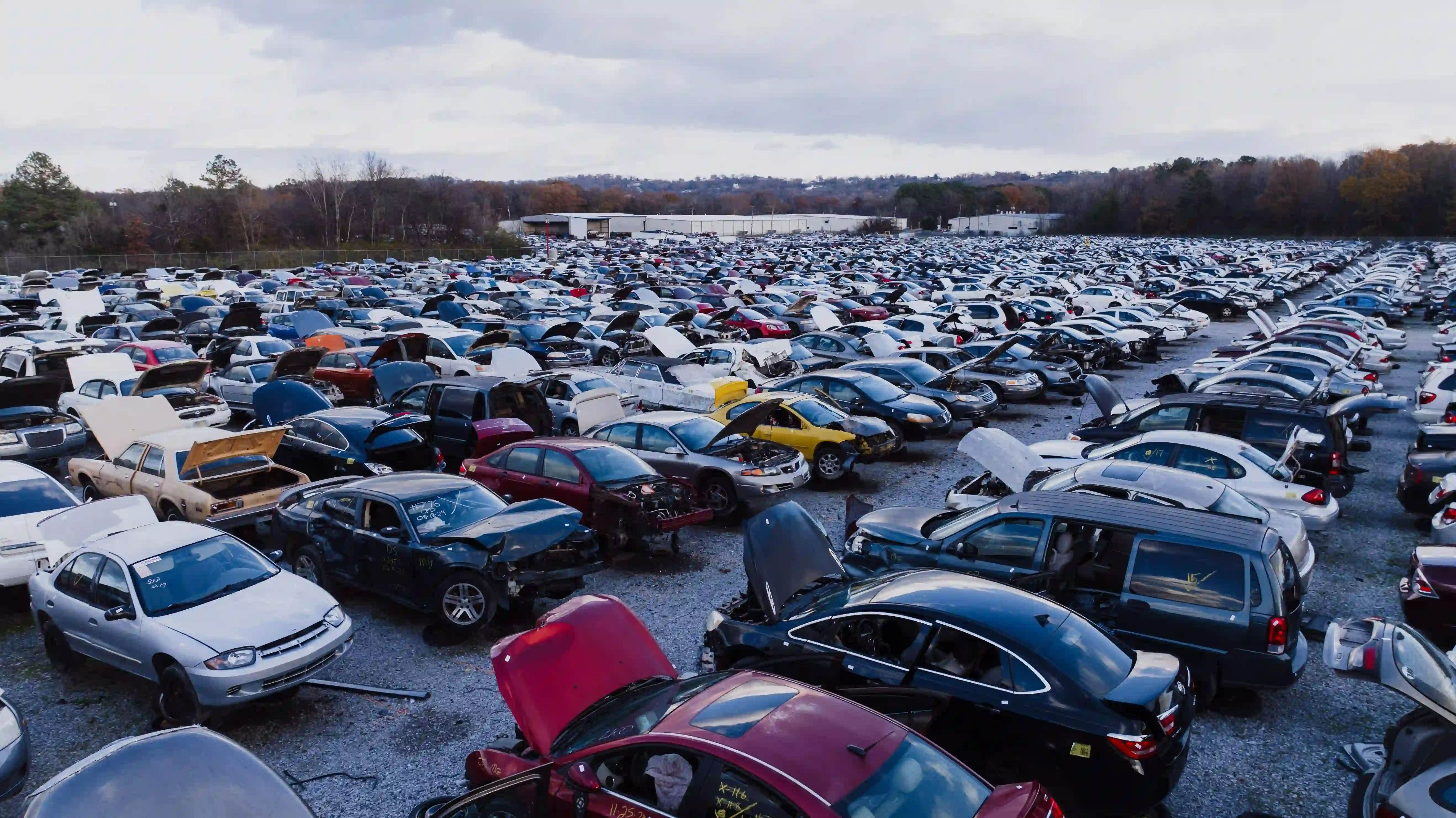
China Just Tied Car Deregistration to Battery Serial Numbers
An estimated 80% of China's retired EV batteries were disappearing into unlicensed workshops. One new rule ties a car's paperwork to its battery's ID.
Eleven automotive verticals. Pick your starting point.
Each vertical maintains its own analyst lead, refresh cadence and methodology spine.