Market research insights from our research desk.
Long-form analysis, sector briefings and methodology notes built on validated data, primary interviews and traceable sources — reviewed by a sector lead before it ships.
01 / Insights — page 10
150 insights
Your Car Generates 10 Terabytes a Year. Almost None of It Ever Leaves the Vehicle.
Modern cars generate a genuinely staggering amount of data. Almost none of it goes anywhere. Here's the math explaining why -- and it comes down to money.

Congress Just Introduced a Bill That Could Replace 20 State Privacy Laws With One
Automakers currently navigate more than 20 different state privacy laws. A bill introduced in April 2026 would replace all of them with one federal standard.
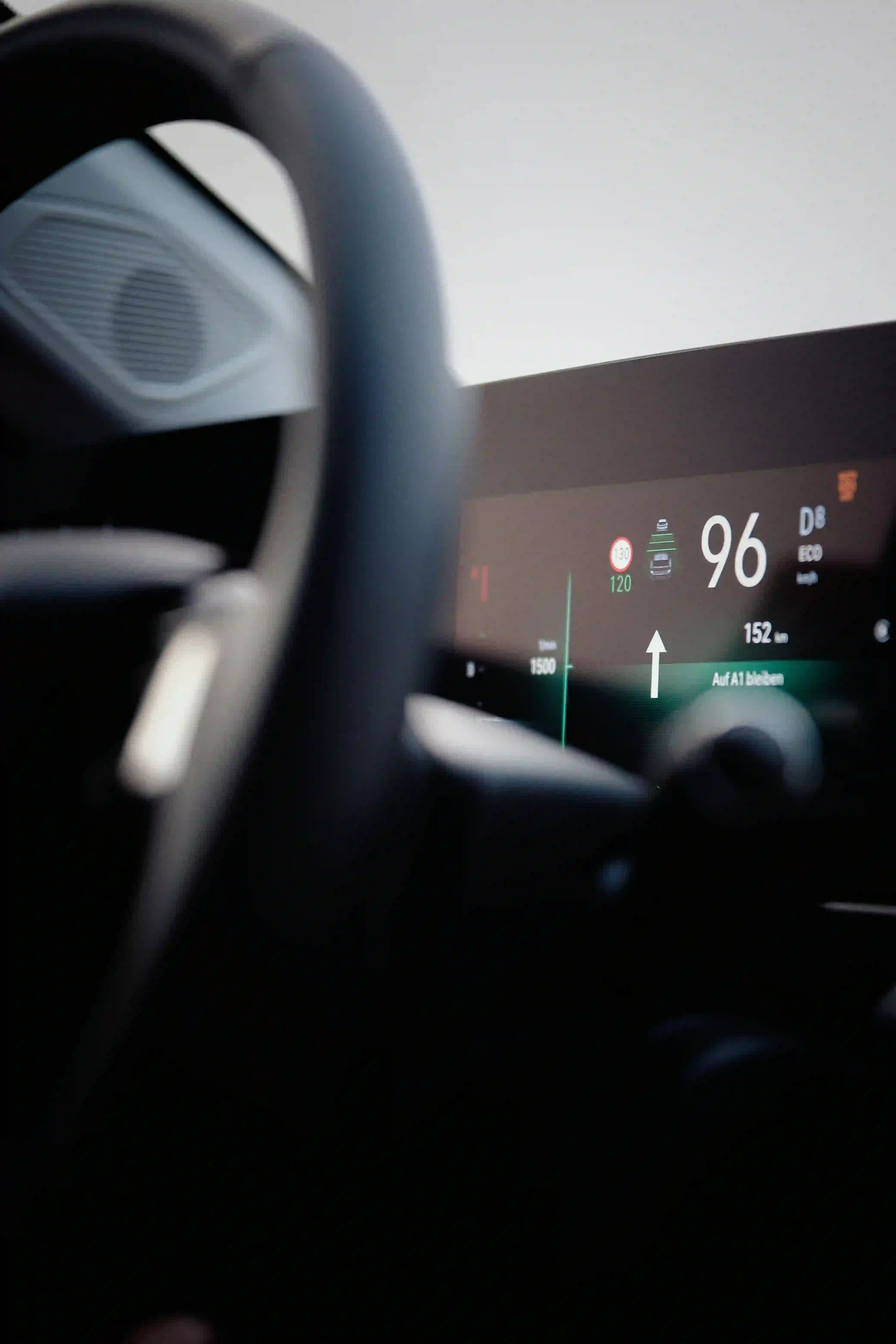
A $20 Million Business Just Cost General Motors Far More Than $20 Million
General Motors ran a side business selling driver data. The business made $20 million over four years. Cleaning up after it is costing far more than that.
How Tata Motors Turned Fuel-Economy Data Into a Parts-Sales Machine
760,000 connected trucks. A 4.8% fuel-efficiency gain. And a parts marketplace that grew 3.8x. Here's how one telematics platform became a genuine sales engine.

A Chinese Supercomputer Cut Nine Months of AI Training Down to Half a Day
276 days of computing, compressed into 11 hours. It sounds like an exaggeration. It's a real number from a real facility, and here's how they got there.
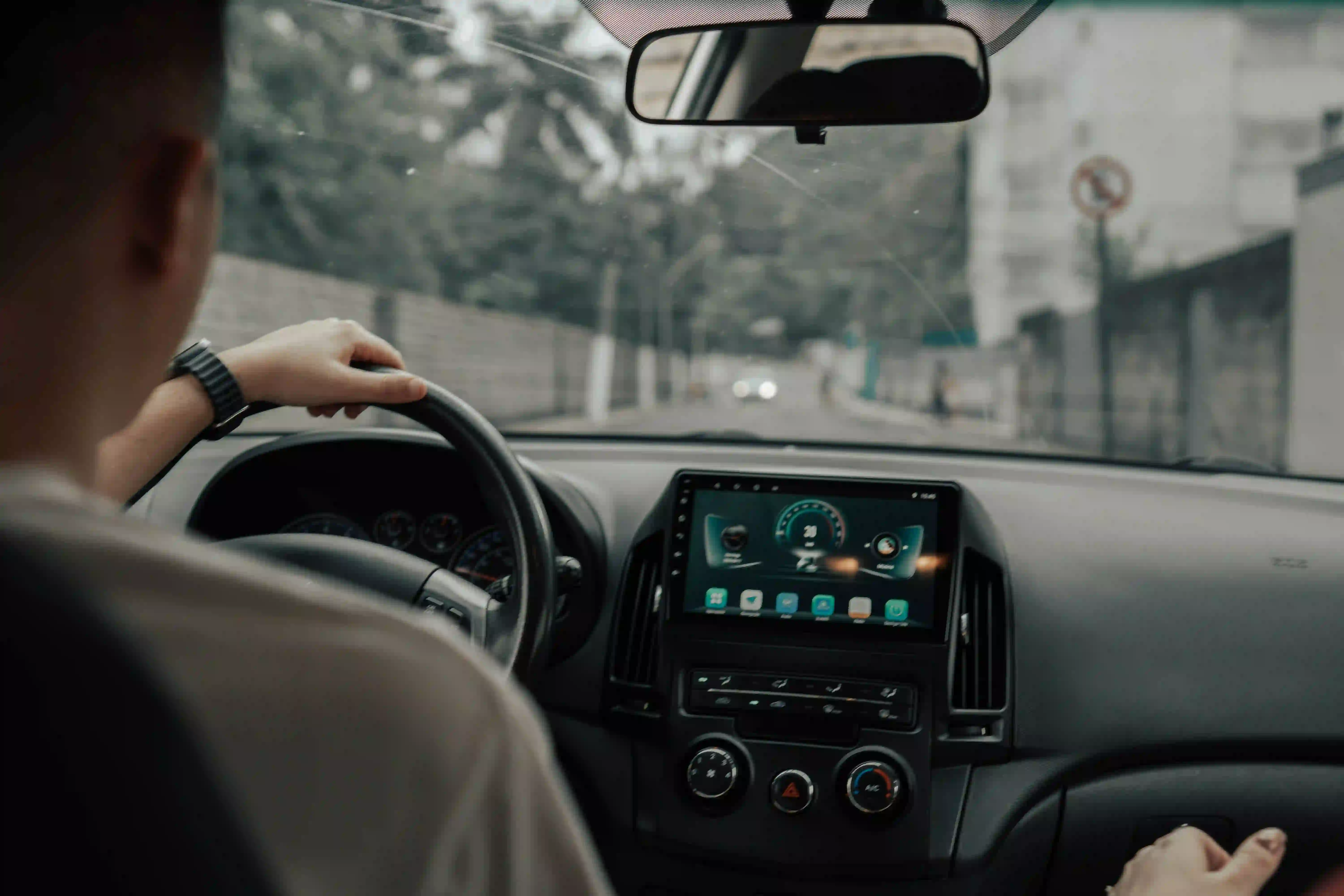
China's Car Data Law Doesn't Ask for Consent. It Dictates Where the Computer Sits.
Western privacy laws ask companies to get consent. China's automotive data law skips that question entirely and dictates where the processor physically has to be.

BMW's Cloud Data Hub Ingests 110 Terabytes a Day. Here's the Trick.
20 million BMWs, 110 terabytes a day, only 5.5 megabytes per car. The math only works because the car does the filtering before anything gets sent.
Volkswagen's Software Unit Lost More Money Than It Made, Twice
Volkswagen built its own software company to control its car data. Two years running, that company lost more money than it made. Here's what went wrong.

Europe Just Passed a Law That Its Own Car Industry Wasn't Built to Follow
One law says third parties get fair access to your car's data. Most cars were built to send that data somewhere else first: straight to the manufacturer.
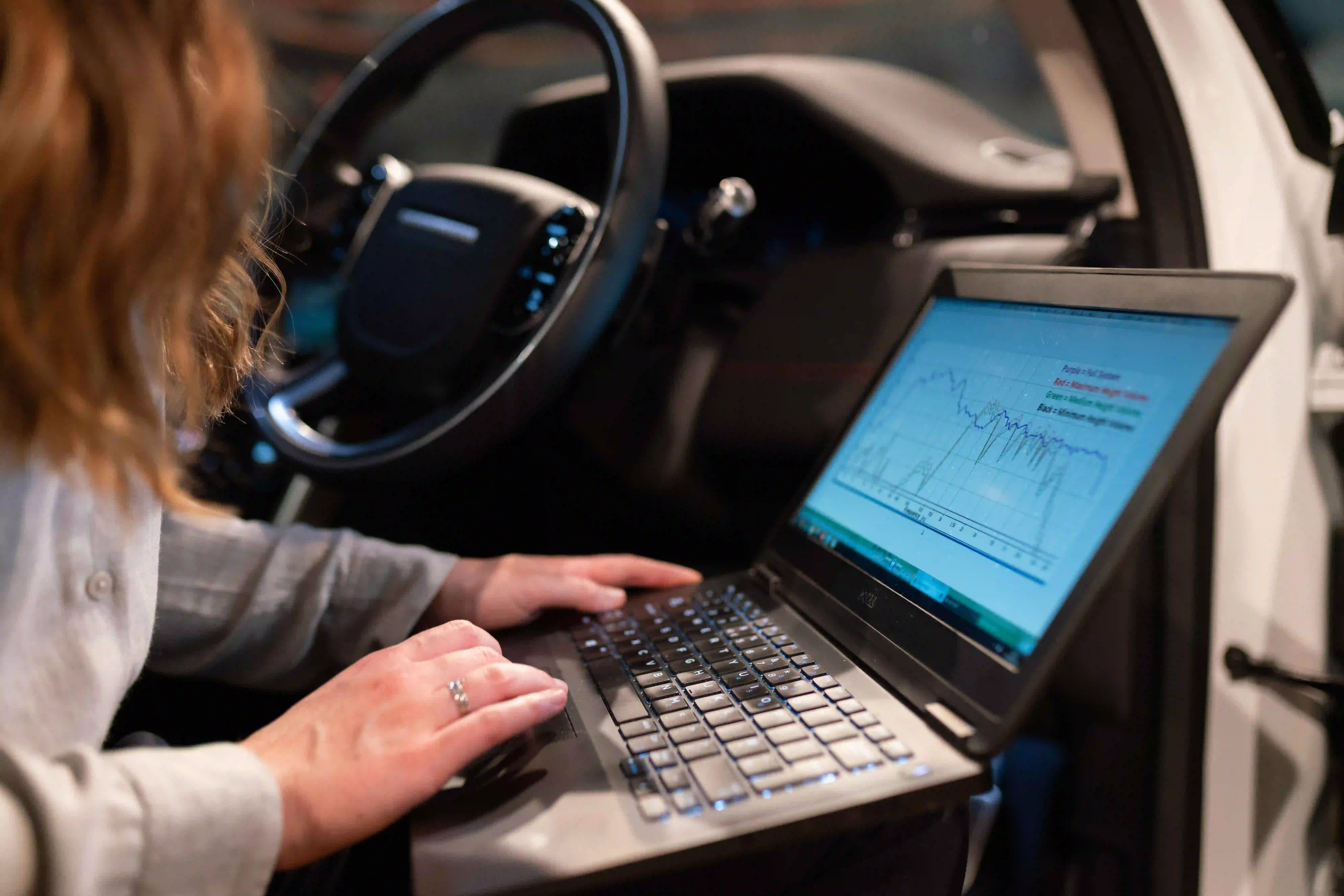
Without This Software Trick, Your Connected Car Bill Would Be $3,600 a Month
Uploading everything a car's sensors record would cost thousands of dollars a month. One piece of onboard software cuts that bill by 99.7% before it ever leaves the vehicle.
Eight verticals. Pick your starting point.
Each vertical maintains its own analyst lead, refresh cadence and methodology spine.