How is the Automotive Industry Addressing Sustainability?
Introduction
The automotive industry is increasingly focused on sustainability, driven by environmental concerns, regulatory pressures, and changing consumer preferences. This article examines the key strategies and innovations that the industry is adopting to address sustainability challenges.
1. Sustainable Manufacturing Practices
Eco-Friendly Materials
Automakers are using more eco-friendly materials in vehicle production, such as recycled plastics, natural fibers, and bio-based composites. These materials reduce the environmental impact of manufacturing and contribute to a circular economy.
Energy-Efficient Production
Manufacturers are implementing energy-efficient processes and renewable energy sources in their production facilities. By reducing energy consumption and utilizing solar, wind, and other renewable energy sources, automakers can lower their carbon footprint and promote sustainability.
Water Conservation
Water conservation is another critical aspect of sustainable manufacturing. Automakers are adopting water-saving technologies and practices, such as closed-loop water recycling systems, to minimize water usage and reduce their environmental impact.
2. Electric and Hybrid Vehicles
Promoting Electric Mobility
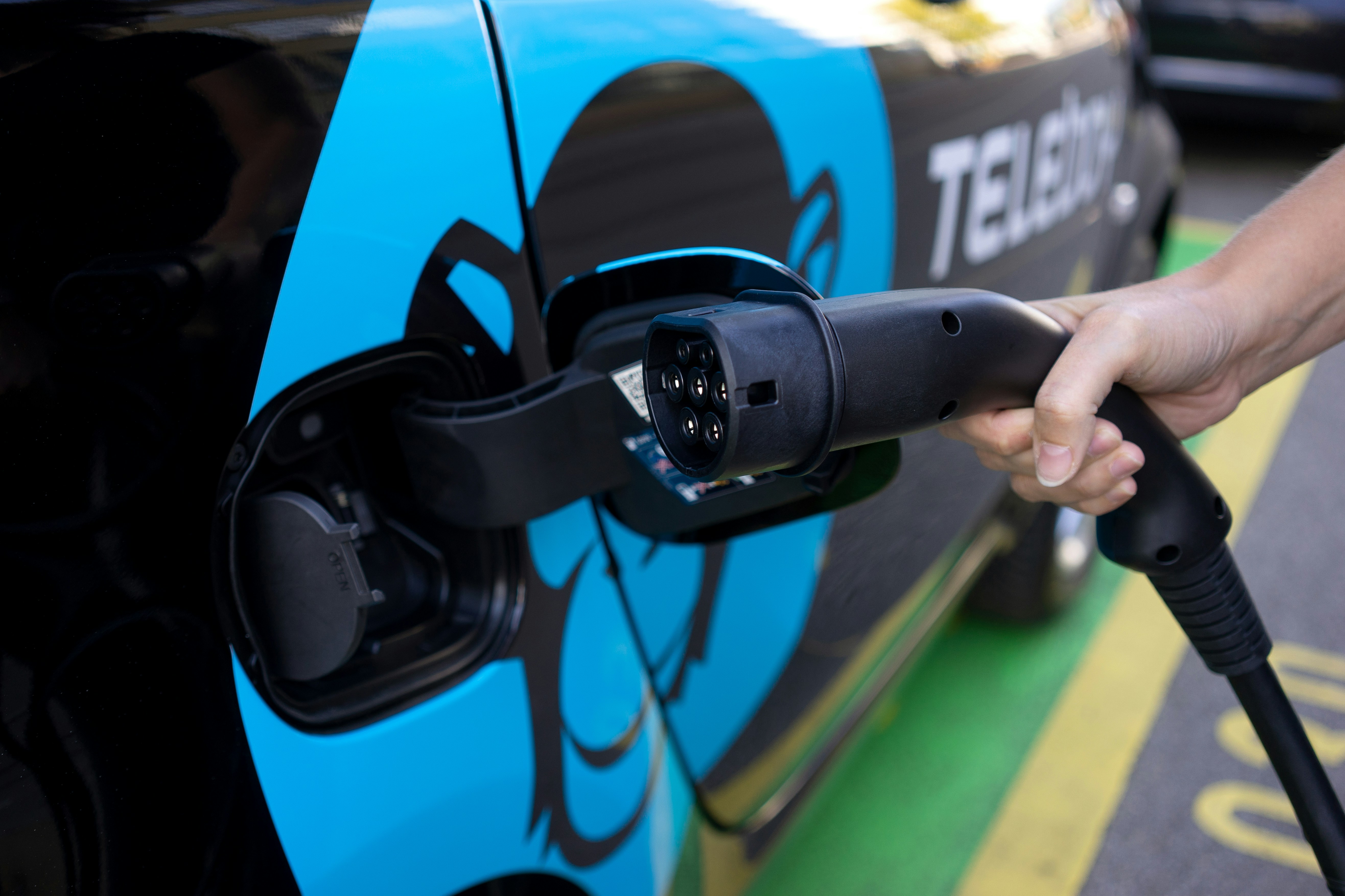
The shift towards electric and hybrid vehicles is a significant step towards sustainability. Electric vehicles (EVs) produce zero tailpipe emissions, reducing air pollution and greenhouse gas emissions. Hybrid vehicles combine traditional internal combustion engines with electric power, offering improved fuel efficiency and lower emissions.
Government Incentives
Governments worldwide are providing incentives to promote the adoption of electric and hybrid vehicles. These incentives include tax credits, subsidies, and grants, making eco-friendly vehicles more accessible and affordable for consumers.
Charging Infrastructure Development
Developing a robust charging infrastructure is essential for the widespread adoption of EVs. Investments in fast-charging networks and public charging stations are crucial for supporting the growing number of electric vehicles on the road.
3. Circular Economy and Recycling
Battery Recycling
Battery recycling is critical for reducing the environmental impact of EVs. Advanced recycling technologies can recover valuable materials from used batteries, such as lithium, cobalt, and nickel, reducing the need for raw material extraction and minimizing waste.
Vehicle Recycling
Automakers are designing vehicles with recyclability in mind, using materials that can be easily dismantled and recycled at the end of the vehicle's life. This approach reduces waste and promotes the reuse of materials in new vehicles.
Second-Life Applications
Used EV batteries can be repurposed for second-life applications, such as energy storage systems for renewable energy. These applications extend the lifespan of batteries and provide additional value, contributing to a circular economy.
4. Sustainable Supply Chains
Ethical Sourcing
Automakers are increasingly focused on ethical sourcing of raw materials, ensuring that their supply chains are free from conflict minerals and human rights abuses. By working with certified suppliers and conducting regular audits, companies can promote ethical practices and transparency.
Supply Chain Optimization
Optimizing supply chains to reduce emissions and improve efficiency is another key sustainability strategy. This includes using more efficient transportation methods, reducing packaging waste, and implementing sustainable logistics practices.
5. Innovation and Research
Investing in Green Technologies
Investing in green technologies and research is crucial for driving sustainability in the automotive industry. This includes developing advanced materials, improving battery technologies, and exploring alternative fuels such as hydrogen.
Collaborations and Partnerships
Collaboration between automakers, technology companies, and research institutions is essential for accelerating sustainability initiatives. Partnerships can facilitate knowledge sharing, innovation, and the development of sustainable solutions.
Conclusion
The automotive industry is making significant strides towards sustainability through eco-friendly materials, electric and hybrid vehicles, recycling initiatives, and sustainable supply chains. These efforts are crucial for reducing the environmental impact of the industry and promoting a more sustainable future. Get in touch with Marqstats for more detailed analysis and industry insights.