How is the Electric Vehicle Market Evolving?
Introduction
The electric vehicle (EV) market is rapidly evolving, driven by technological advancements, regulatory incentives, and shifting consumer preferences. This comprehensive article explores the key factors influencing the growth of the EV market and what the future holds for this transformative sector.
1. Technological Advancements
Battery Technology Improvements
Advances in battery technology, such as the development of solid-state batteries, are significantly enhancing the performance and safety of EVs. These improvements are increasing energy density, reducing charging times, and lowering costs. By 2025, solid-state batteries are expected to become commercially viable, further boosting EV adoption.
Charging Infrastructure Expansion
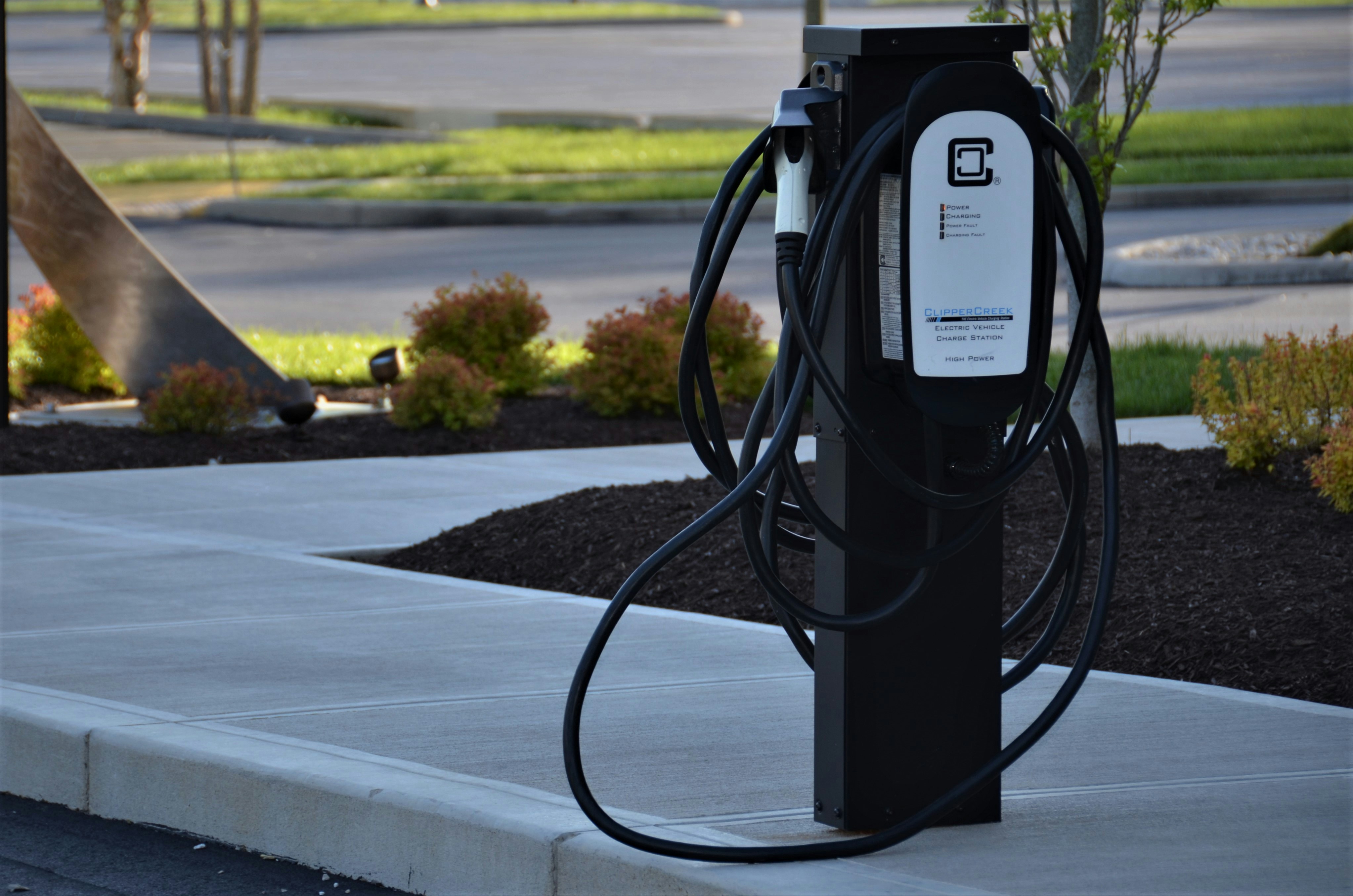
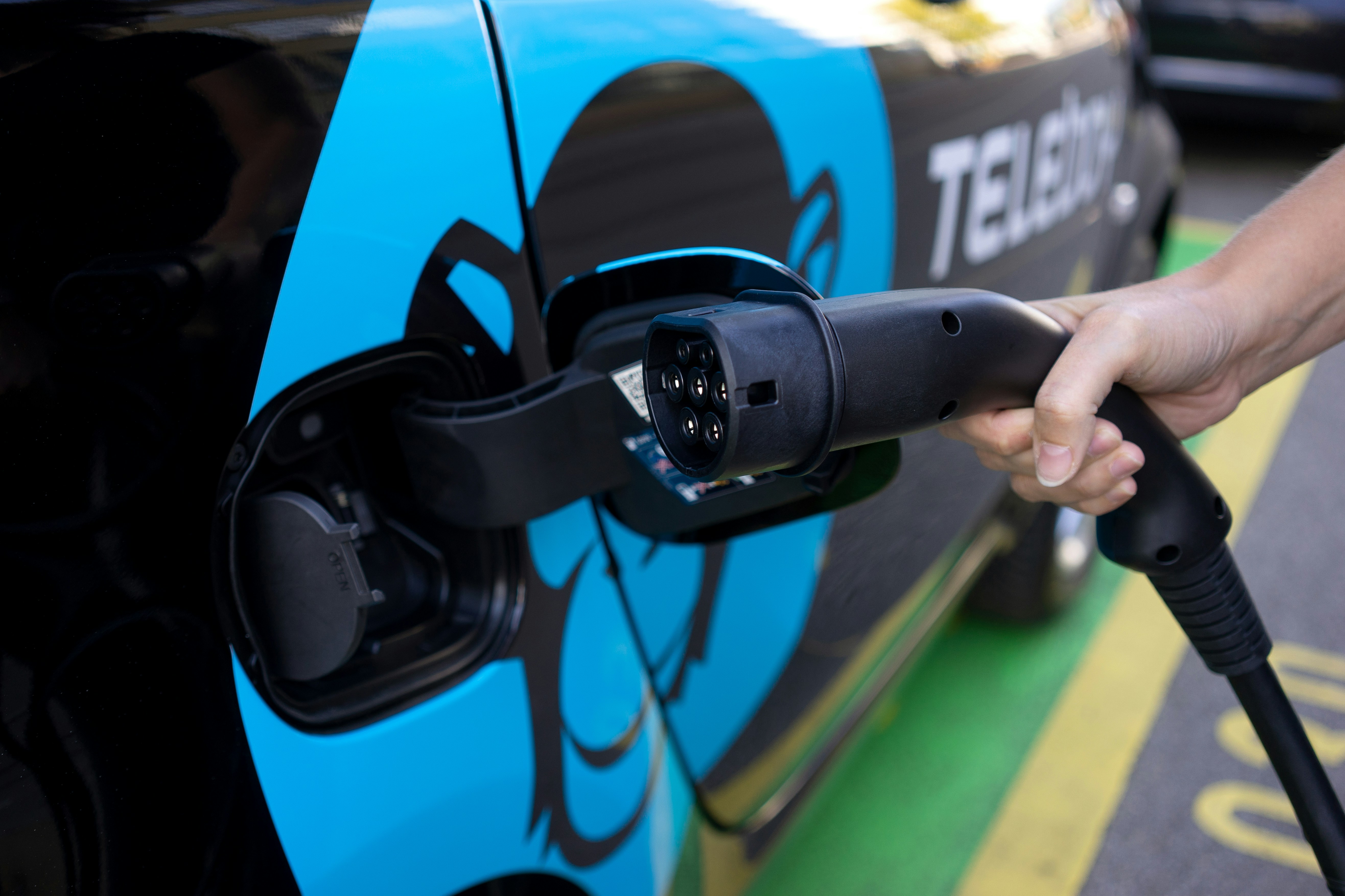
The expansion of EV charging infrastructure is crucial for supporting the growing number of electric vehicles. Governments and private companies are investing heavily in building fast-charging networks. The global EV charging station market is projected to grow from $5 billion in 2020 to $30 billion by 2027, ensuring convenient access to charging facilities.
2. Regulatory Incentives
Government Policies and Subsidies
Governments worldwide are implementing policies and subsidies to promote EV adoption. The European Union's Green Deal aims to reduce greenhouse gas emissions by 55% by 2030, with significant investments in EV infrastructure. The United States offers tax credits up to $7,500 for new EV purchases, while China provides substantial subsidies and has set ambitious targets for EV sales.
Emission Standards and Environmental Goals
Stringent emission standards are pushing automakers to invest in electric mobility. Countries like Norway plan to phase out internal combustion engine vehicles by 2025, setting a precedent for other nations. These regulations are accelerating the shift towards cleaner and more sustainable transportation.
3. Market Dynamics
Automaker Commitments
Major automakers are committing to electrification, with companies like Tesla, Volkswagen, and General Motors leading the way. Many traditional manufacturers plan to phase out internal combustion engines by 2035, investing billions in EV development and production.
Consumer Demand and Awareness
Consumer demand for electric vehicles is growing, driven by increased environmental awareness and the desire for cost savings on fuel and maintenance. In a recent survey, 62% of consumers expressed a willingness to pay more for eco-friendly vehicles. This shift in consumer preferences is driving the market towards greener transportation options.
4. Future Outlook
Innovation and Competition
The EV market is becoming increasingly competitive, with new players entering the field and established automakers ramping up their electric offerings. Innovations in battery technology, autonomous driving, and connectivity are expected to drive further growth and differentiation in the market.
Sustainability and Urban Mobility
Electric vehicles are set to play a crucial role in achieving sustainability goals and transforming urban mobility. The integration of EVs into shared mobility services, such as car-sharing and ride-hailing, will reduce traffic congestion and lower emissions, contributing to more sustainable and livable cities.
Conclusion
The electric vehicle market is evolving rapidly, driven by technological advancements, regulatory support, and changing consumer preferences. This transformation presents significant opportunities for automakers, investors, and consumers alike. Get in touch with Marqstats for more detailed analysis and industry insights.