Car buying behaviors are undergoing significant changes, influenced by technological advancements, economic factors, and shifting consumer preferences. This article examines the evolving trends in car buying and their impact on the automotive industry.
1. Shift to Online and Digital Platforms
Growth of Online Car Sales
The pandemic accelerated the shift towards online car shopping. Consumers increasingly prefer to research, compare, and purchase vehicles online. Digital platforms offer comprehensive tools, such as virtual showrooms and online financing options, making the car buying process more convenient and transparent.
Virtual Reality and Augmented Reality
Virtual reality (VR) and augmented reality (AR) technologies are transforming the car buying experience. These technologies allow consumers to explore vehicles in a virtual environment, customize features, and even take virtual test drives. By offering immersive experiences, VR and AR enhance consumer engagement and satisfaction.
2. Demand for Electric and Hybrid Vehicles
Rising Environmental Awareness
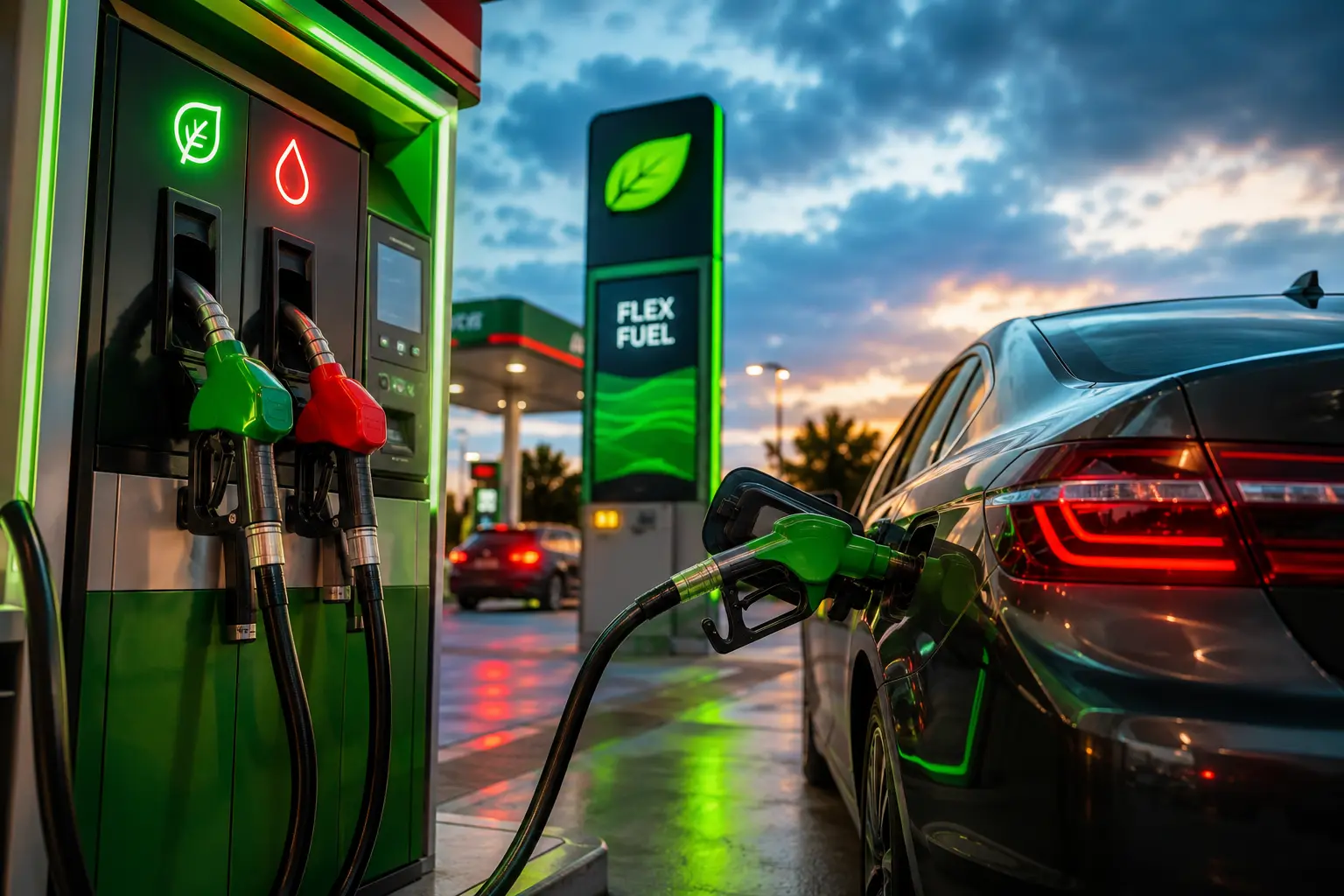
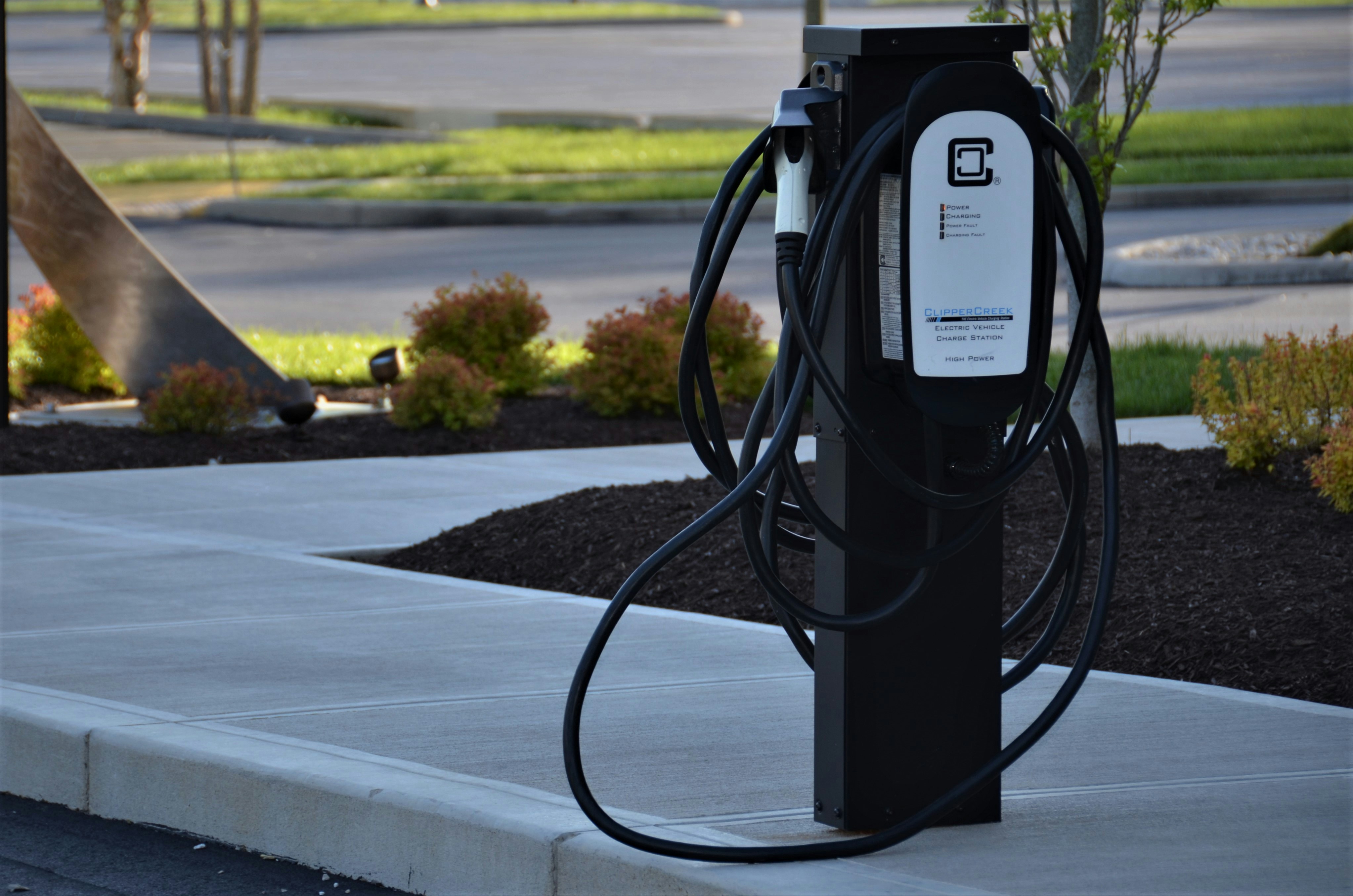
Environmental concerns are driving demand for electric and hybrid vehicles. Consumers are increasingly aware of the environmental impact of traditional internal combustion engine vehicles and are seeking greener alternatives. In a recent survey, 62% of consumers expressed a willingness to pay more for eco-friendly vehicles.
Government Incentives
Government incentives, such as tax credits and subsidies, are also encouraging consumers to choose electric and hybrid vehicles. These incentives reduce the overall cost of ownership, making eco-friendly vehicles more accessible to a broader audience.
3. Influence of Social Media and Reviews
Social Media Impact
Social media platforms play a significant role in shaping consumer preferences and behaviors. Car buyers often turn to social media for reviews, recommendations, and testimonials from other users. Influencer endorsements and user-generated content also impact purchasing decisions.
Online Reviews and Ratings
Online reviews and ratings are crucial in the decision-making process. Consumers rely on reviews from trusted sources to evaluate vehicle performance, reliability, and overall satisfaction. Positive reviews can significantly boost a vehicle's popularity, while negative reviews can deter potential buyers.
4. Financing and Leasing Trends
Flexible Financing Options
The availability of flexible financing options is changing how consumers purchase vehicles. Options such as zero-interest financing, longer loan terms, and lease-to-own programs make car ownership more affordable and accessible. These financing solutions cater to a diverse range of consumer needs and preferences.
Leasing Popularity
Leasing is becoming an increasingly popular option, especially among younger consumers. Leasing offers the flexibility of driving a new vehicle every few years without the long-term commitment of ownership. This trend is particularly appealing to consumers who value the latest technology and features.
5. Personalized and Customer-Centric Approaches
Customized Buying Experience
Automakers and dealerships are adopting personalized approaches to enhance the car buying experience. By leveraging data and analytics, they can offer tailored recommendations, personalized financing options, and customized vehicle features. This customer-centric approach improves satisfaction and loyalty.
Enhanced Customer Service
Improving customer service is a priority for automakers and dealerships. Offering seamless communication, transparent pricing, and efficient after-sales support are essential elements of a positive car buying experience. By focusing on customer service, companies can build long-term relationships and drive repeat business.
Conclusion
Car buying behaviors are evolving rapidly, driven by technological advancements, environmental awareness, and changing consumer preferences. The automotive industry must adapt to these trends to meet consumer expectations and stay competitive. Get in touch with Marqstats for more detailed analysis and industry insights.